
Philippine Supreme Court acquits Imelda Marcos in Swiss foundations graft case
This digest was compiled by AI from multiple sources — links to the originals are below.
The Philippine Supreme Court overturned a 2018 graft conviction against Imelda Marcos, mother of President Ferdinand Marcos Jr., citing inadmissible evidence. The ruling, made public yesterday, reverses a sentence of six to 11 years per count and a lifetime political ban. The case involved allegations that Marcos used Swiss foundations to move at least $200 million abroad.
Key Facts
- The Supreme Court's 1st Division overturned the Sandiganbayan's November 2018 conviction of Imelda Marcos on seven counts of graft.
- Associate Justice Rodil Zalameda wrote that prosecution evidence was inadmissible and lacked sufficient probative weight.
- The 2018 Sandiganbayan ruling had sentenced Marcos to six to 11 years imprisonment per charge and barred her from political office for life.
- The case stemmed from allegations that Marcos and her late husband Ferdinand Marcos Sr. used Swiss foundations to hold and transfer at least $200 million abroad during her 1975-1986 term as Manila governor.
- The Supreme Court decision did not dispute that the transactions took place but ruled the prosecution failed to meet evidentiary requirements.
Supreme Court Ruling
In a decision dated June 10 but made public yesterday, the 1st Division of the Supreme Court overturned the Sandiganbayan's ruling, Rappler reported. In a 50-page ruling, Associate Justice Rodil Zalameda said the prosecution had failed to prove her guilt beyond reasonable doubt. Zalameda stated that the key testimony and documentary evidence used against Marcos were inadmissible and lacked sufficient probative weight. The Swiss documents were not properly authenticated, and the prosecution presented no credible witness to attest to their genuineness and due execution. As a result, prosecutors failed to demonstrate that the Marcos-linked foundations in Switzerland were businesses as required by Section 3(h) of the Anti-Graft and Corrupt Practices Act.
Case Background
The cases stemmed from allegations that Marcos and her late husband, deposed President Ferdinand Marcos Sr., used a network of Swiss foundations to hold and transfer at least $200 million abroad during her 1975-1986 term as Manila governor. In its 2018 ruling, the Sandiganbayan claimed that Imelda Marcos had a direct or indirect financial interest in the Swiss foundations and had participated in their management. The anti-corruption court attempted to substantiate this using documents retrieved from Swiss banks that were authenticated in accordance with Swiss legal procedure, according to Rappler. The Supreme Court decision did not dispute that the transactions had taken place but ruled that the prosecution failed to meet the evidentiary requirements necessary to sustain criminal convictions.
Marcos Legacy
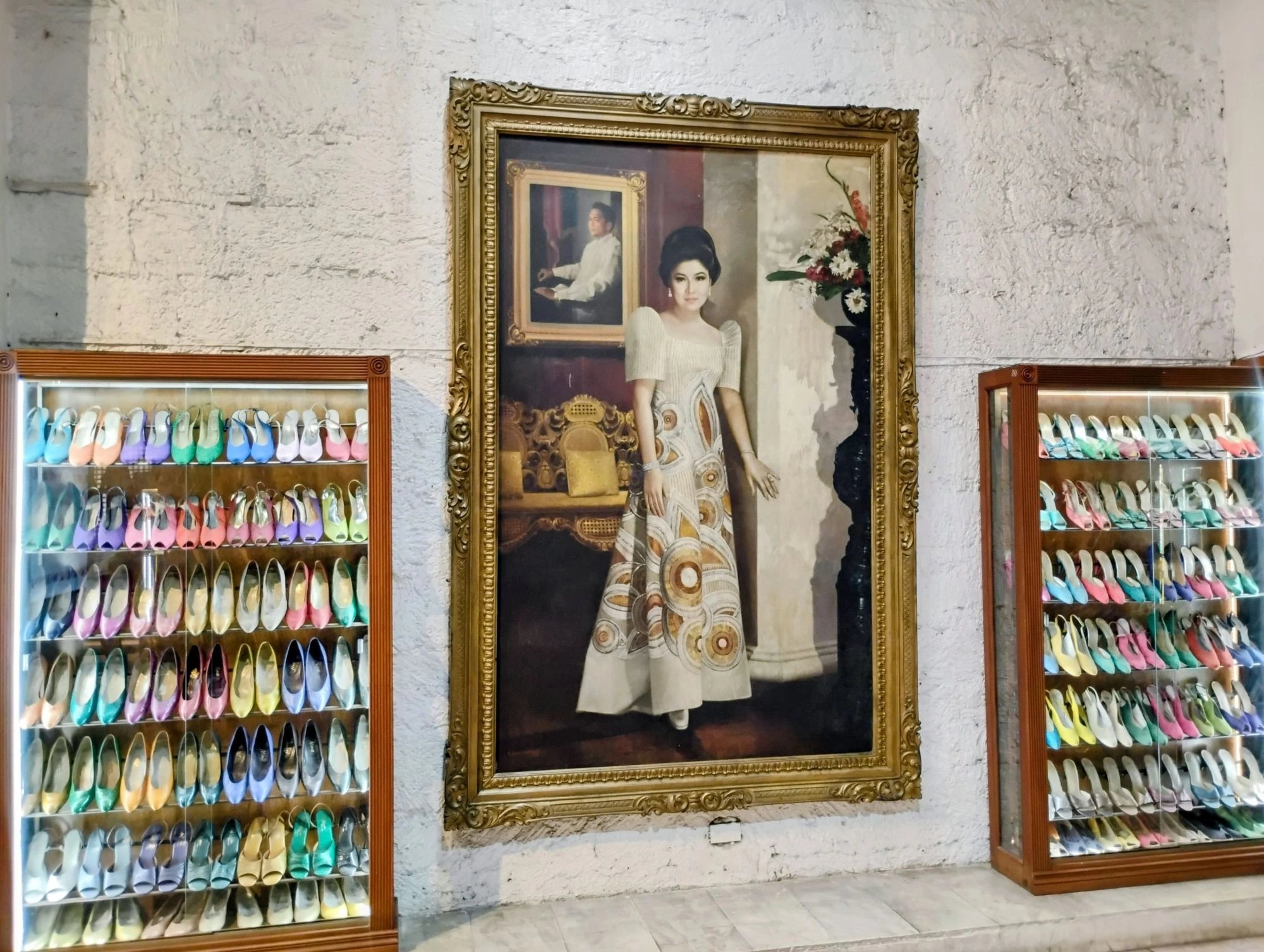
The case is one of many against Imelda Marcos stretching back to her husband's years in office. Ferdinand E. Marcos was first elected in late 1965 but placed the Philippines under martial law in 1972, after which thousands of opponents were jailed, killed, or disappeared. During these years, Marcos was accused of amassing more than $10 billion that the Presidential Commission on Good Government has since spent decades trying to recover. Imelda Marcos became an international byword for corrupt extravagance and amassed a collection of shoes so large that they are now housed in a purpose-built museum in Metro Manila.
1 source
Time · lag behind first