
Russia's new shelling tactics deepen suffering in Ukraine
This digest was compiled by AI from multiple sources — links to the originals are below.
Russia has intensified air raids on Ukraine since mid-August, with the number of weekly raids rising from five to 34 and their combined duration from 2.3 to 23.2 hours. The attacks have killed five people and wounded 35 in Kyiv on Monday, disrupting daily life and traumatising residents. President Volodymyr Zelenskyy said on September 6 that Moscow aims to terrorise Ukrainian cities and villages far more intensely.
Key Facts
- Between June and early August, Ukraine experienced five air raids per week with a combined duration of 2.3 hours, according to UA.news.
- In the fourth week of August, the number of air raids rose to 34 with a total duration of 23.2 hours.
- On Monday, shelling resumed in Kyiv with a six-hour air raid that killed five people and wounded 35.
- President Volodymyr Zelenskyy said on September 6 that Russia's new tactic aims to terrorise Ukrainian people, cities, and villages far more intensely.
- Olena Krakovska, a 42-year-old single mother of two boys, said the frequent air raids have left her brain not functioning and her movements uncoordinated.
Escalating Air Raids
Since mid-August, Russian air raids in Ukraine have become longer, more frightening, and more frequent. In the third week of August, the number of raids rose to 12 with a duration of 7.9 hours. Early September brought a brief lull when Russia stopped shelling Kyiv for three days during US negotiators' visits to Moscow and Kyiv. Each raid now involves fewer drones and missiles, but the timing is unpredictable, keeping hundreds of thousands awake all night.
Civilian Impact
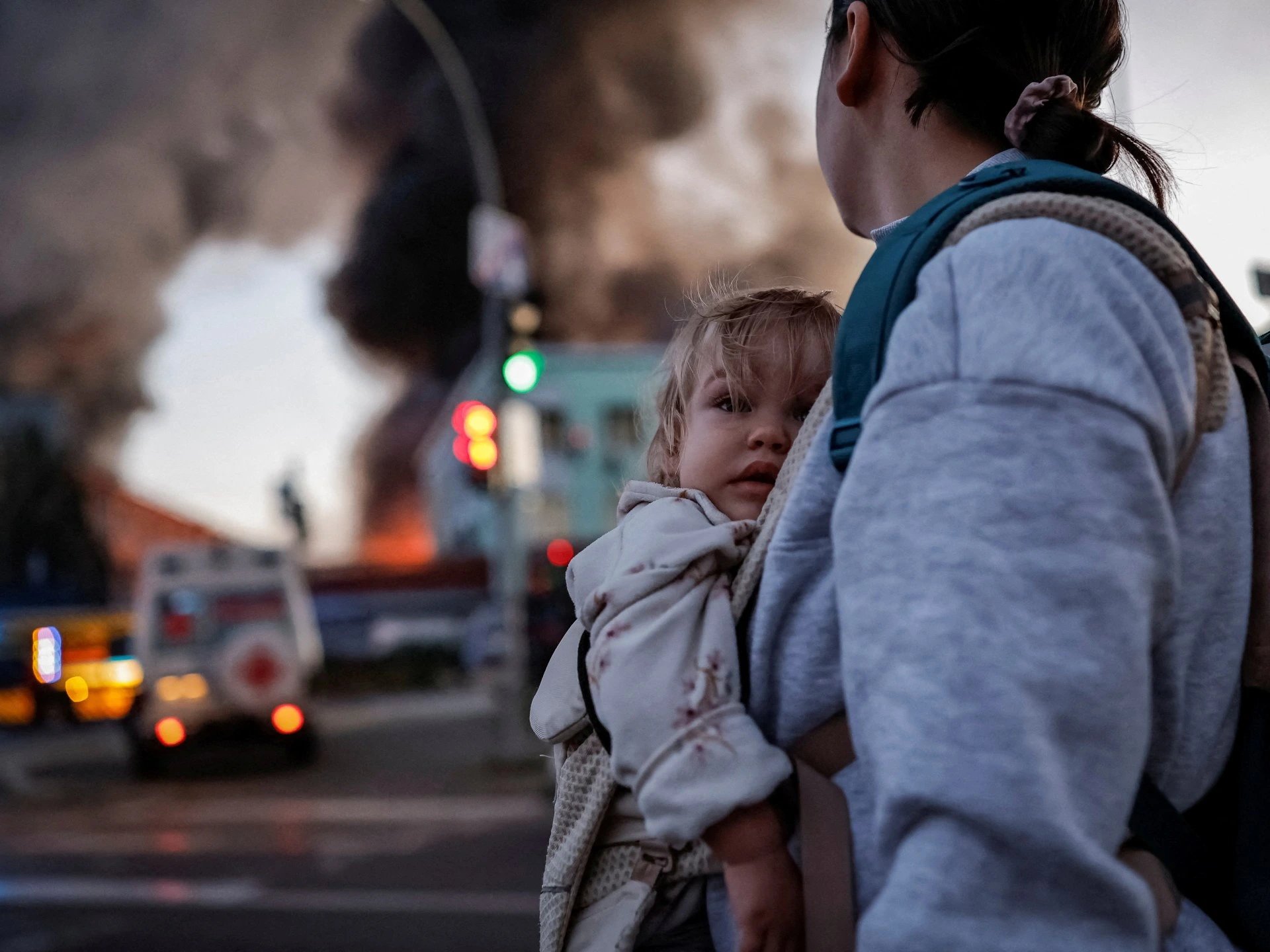
The raids interrupt office hours, business meetings, and school lessons, traumatise people, and cause long traffic jams. Olena Krakovska, who works in a basement shop in central Kyiv, said she worries about her sons' education during the attacks. She quoted her great-grandmother Serafima, who survived the Holodomor famine and Nazi occupation, saying, 'There's no way out, only when you're in a coffin.'
1 source
Time · lag behind first