
Iran's Natanz mountain bunker nears completion as US weighs strike options
This digest was compiled by AI from multiple sources — links to the originals are below.
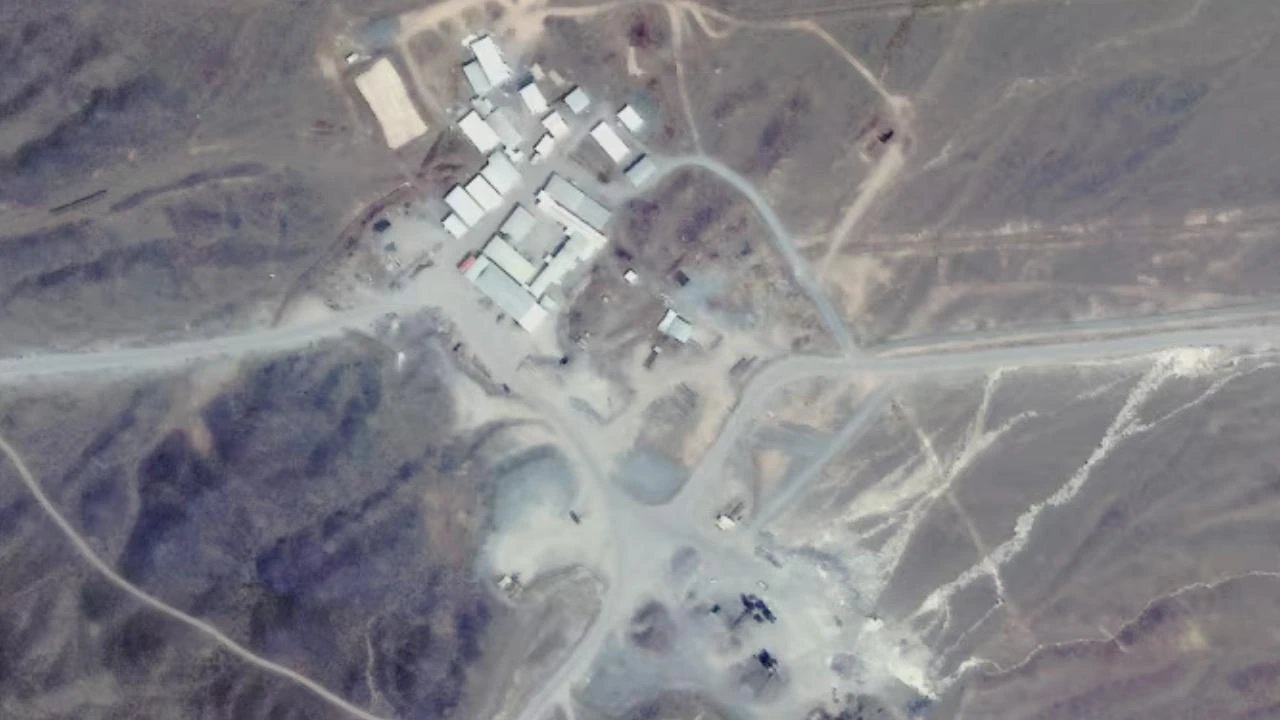
Satellite imagery shows Iran has shifted from excavation to interior construction at a deep underground bunker near the Natanz nuclear complex, according to CSIS analysts. The facility is assessed as designed to protect Iran's nuclear program from attack. President Trump said the site could be struck at any time, while the US military works on a new-generation bunker-buster bomb.
Key Facts
- CSIS analysts report that by 2026, activity at the Natanz mountain site shifted from active excavation to interior construction, tunnel entrance reinforcement, and road paving.
- The facility is not yet assessed as ready for uranium enrichment.
- The granite mountain structure provides high protection even against the Pentagon's heaviest non-nuclear bomb, the GBU-57 MOP.
- President Trump said the facility could be struck at any time and that all movement in the area is being closely monitored.
Construction Status
The facility is located near the Natanz nuclear complex and is built beneath a granite mountain mass. CSIS experts report that starting in 2026, work at the site moved from active excavation to interior construction, reinforcement of tunnel entrances, and paving of the road network. The facility is not yet estimated to be ready for uranium enrichment activity.
US Strike Considerations
Israeli intelligence suggests Iran may try to move centrifuges to this location. President Donald Trump said the facility could be targeted at any time and that all movement in the area is being closely monitored. The granite structure is reported to provide high protection even against the Pentagon's heaviest non-nuclear bombs, the GBU-57 MOP. The US military is conducting work at missile test ranges and continuing preparations to develop a new-generation bunker-buster bomb capable of destroying such deep underground facilities.
1 source
Time · lag behind first