
Kazakhstan approves carbon neutrality action plan through 2060
This digest was compiled by AI from multiple sources — links to the originals are below.
Kazakhstan's government approved a new action plan to reach carbon neutrality by 2060, signed by Prime Minister Olzhas Bektenov on September 1. State agencies must report monthly to the Ministry of Ecology and Natural Resources on implementation. The plan sets interim emission targets of 327.8 million tonnes by 2030, 302.1 million by 2040, and 163 million by 2050.
Key Facts
- The plan targets net-zero greenhouse gas emissions by 2060, with interim caps of 327.8 million tonnes by 2030, 302.1 million by 2040, and 163 million by 2050.
- The transport sector is to reach zero emissions by 2060, while the energy sector must cut emissions to 3.2 million tonnes.
- By 2027, authorities will assess the technical condition and economic efficiency of existing coal-fired capacity and options for replacement with alternative sources.
- A carbon tax is to be studied by 2035 for sectors not covered by the current emissions regulation system, though the plan only calls for studying the tax, not mandating it.
- Kazakhstan plans to introduce mandatory climate reporting in companies' annual reports from 2028, following voluntary non-financial reporting from 2027.
Emission Reduction Targets
The government's plan sets a trajectory to net-zero greenhouse gas emissions by 2060. Interim targets are 327.8 million tonnes by 2030, 302.1 million tonnes by 2040, and 163 million tonnes by 2050. The transport sector is to reach zero emissions by 2060, while the energy sector must reduce emissions to 3.2 million tonnes.
Coal and Hydrogen Transition
By 2027, authorities will analyze the technical condition and economic efficiency of existing coal-fired capacity and the possibility of replacing it with alternative sources. A separate analysis of the phased withdrawal or replacement of coal equipment is to be completed by 2028. Kazakhstan will develop hydrogen energy, with an interdepartmental coordination council and a register of potential low-carbon hydrogen producers, suppliers, and investment projects to be created in 2026–2027. Pilot projects using hydrogen in industry, agriculture, transport, and energy are planned for later stages.
Buildings, Business, and Carbon Market
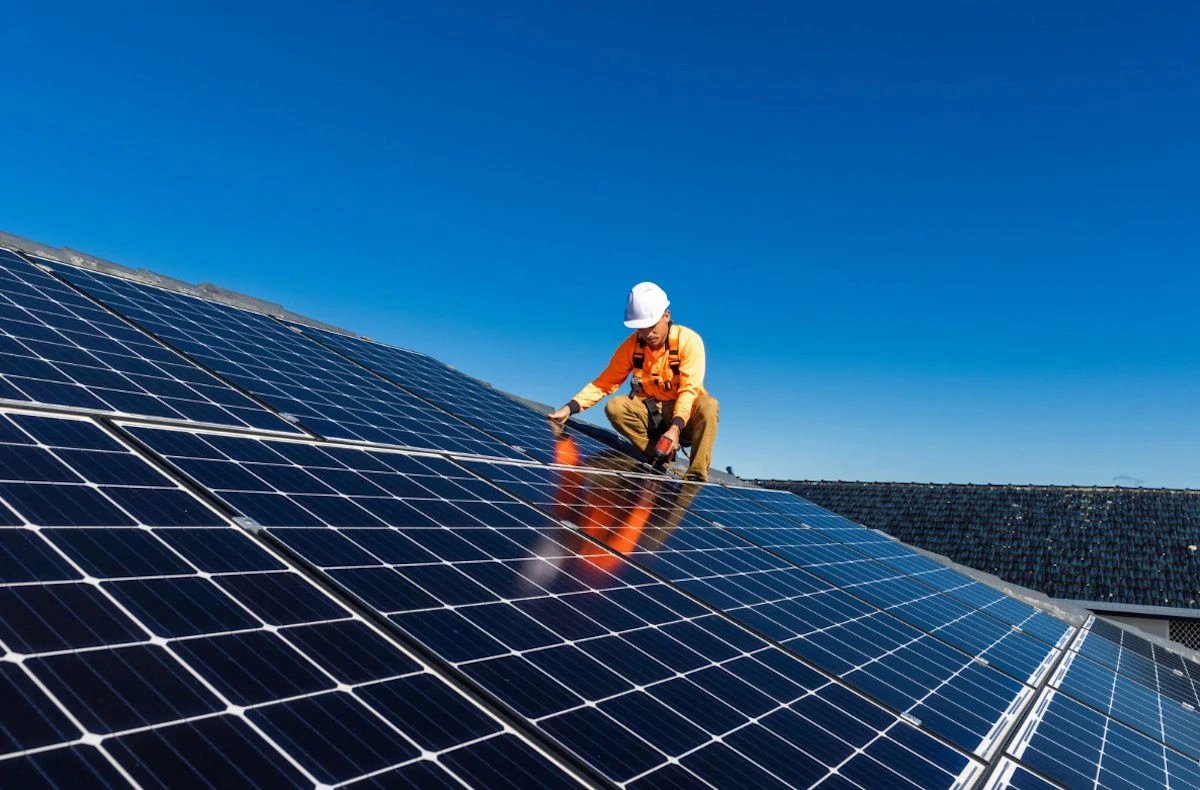
The plan includes a long-term thermal modernization program for residential buildings, covering major repairs, passive houses, heat pumps, and energy efficiency improvements. From 2030, installation of solar collectors and photovoltaic panels on roofs of residential and municipal buildings is to be incentivized. New and reconstructed buildings will be required to carry energy efficiency labels from A+ to E, with the system later extended to existing housing stock during major repairs. Paid auctions of carbon allowances are planned for 2027–2028, and a carbon tax for sectors outside the current emissions regulation system is to be studied by 2035. A Carbon Fund is to be created in 2028–2029, alongside development of a carbon units market through projects in afforestation, waste processing, energy efficiency, carbon farming, and sustainable pasture use.
2 sources
Time · lag behind first