
Yemen's war pushes 3.2 million children out of school, UNICEF says
This digest was compiled by AI from multiple sources — links to the originals are below.
An estimated 3.2 million children are out of school in Yemen this year, up from 1.8 million in 2015, according to UNICEF. The increase comes as families displaced by the decade-long war struggle to afford basic food, forcing children like 11-year-old Hasnaa Jaber to work instead of attending classes. The new academic year began in government-controlled areas on August 30, but many children from impoverished families remain outside the classroom.
Key Facts
- UNICEF estimates 3.2 million children are out of school in Yemen in 2026, up from 1.8 million in 2015.
- The new academic year in government-controlled areas of Yemen began on August 30.
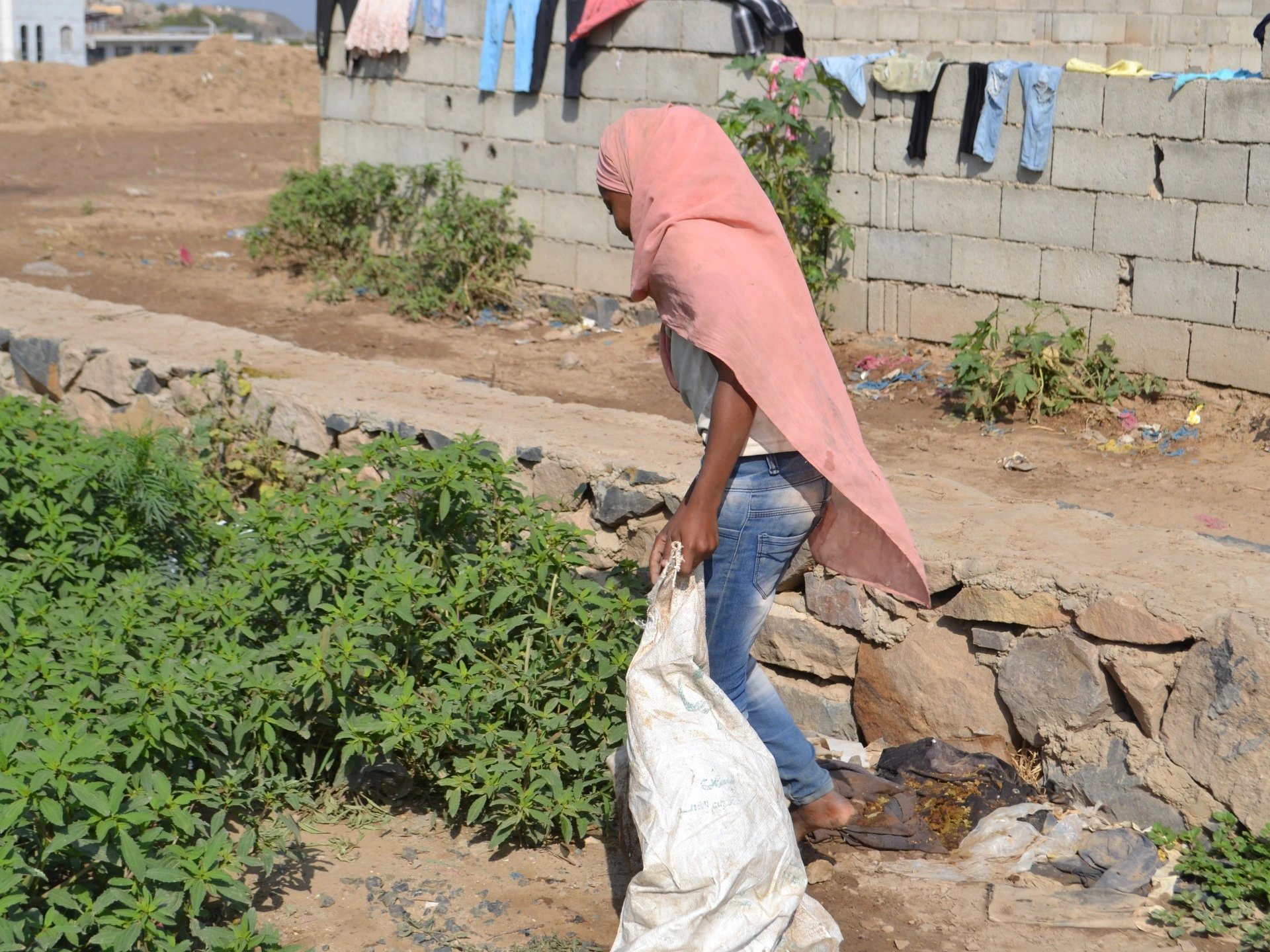
- 11-year-old Hasnaa Jaber dropped out after third grade to collect plastic bottles and help her family earn income.
- Hasnaa earns about 1,500 Yemeni rials (around $1) per day selling collected plastic bottles to scrap traders.
- Hasnaa's father, Jaber Ali, 35, was forced to flee his hometown near Taiz eight years ago due to fighting.
Child Labour and School Dropout
Hasnaa Jaber, 11, lives with her family in an informal settlement for displaced people on the outskirts of Taiz city. She dropped out of school after the third grade, along with her two older brothers, to help her father earn a living. Hasnaa walks through empty farmland collecting discarded plastic bottles, which she sells to scrap traders for about 1,500 Yemeni rials (around $1) a day. Of Hasnaa's four siblings, only one currently attends school because the others are old enough to work washing cars or collecting plastic.
Family Economic Pressure
Hasnaa's father, Jaber Ali, 35, was displaced from his hometown near Taiz eight years ago by fighting. Jaber Ali never received an education himself but had hoped his children would stay in school. He said his earnings from washing cars are no longer enough to provide basic food for the family, let alone cover other necessities. Hasnaa and her brothers asked their father to resume their studies this year, and he promised they could return next year.
1 source
Time · lag behind first