
Pentagon to announce F/A-XX fighter winner in coming weeks
This digest was compiled by AI from multiple sources — links to the originals are below.
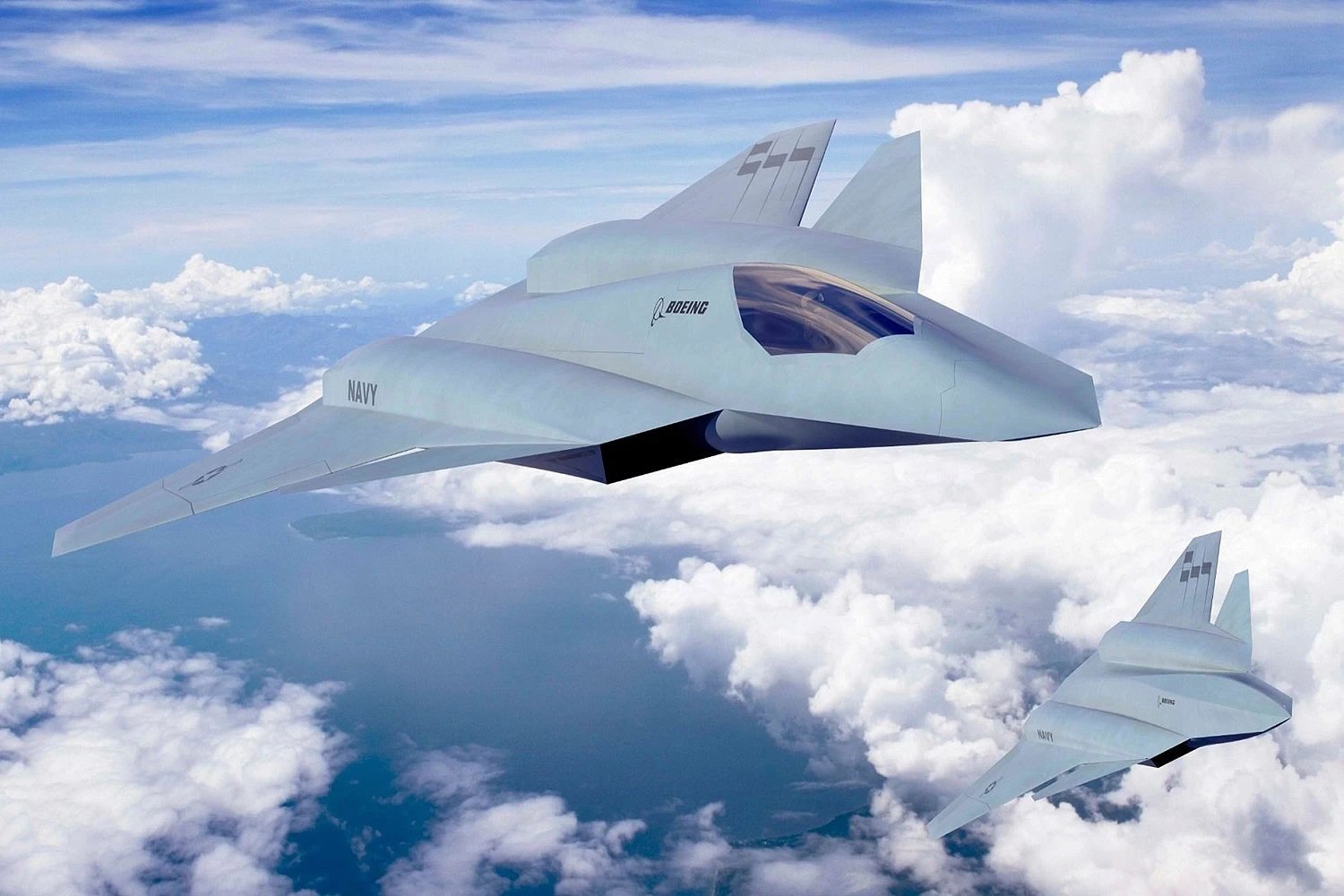
The Pentagon has decided which company will build the U.S. Navy's next-generation stealth fighter and could announce the winner in the coming weeks, two people briefed on the matter said. Boeing and Northrop Grumman are competing for the F/A-XX contract, which could be worth tens of billions of dollars over its lifetime. The decision comes despite years of delays and funding disputes that some Pentagon officials sought to extend by up to three years.
Key Facts
- The Pentagon has decided which company will build the U.S. Navy's next-generation stealth fighter and could announce the winner in the coming weeks or sooner, two people briefed on the matter said.
- Boeing and Northrop Grumman are competing for the F/A-XX contract, which previous programs of similar scope suggest could be worth tens of billions of dollars over its lifetime.
- Congress earmarked $750 million for F/A-XX in the 2025 tax-cut and spending bill and an additional $1.4 billion in fiscal 2026.
- The first production F/A-XX jets are expected to enter service in the 2030s, while F/A-18E/F Super Hornets are expected to remain in service into the 2040s.
Contract Decision
The Pentagon has decided which company will make the U.S. Navy's next-generation stealth fighter and could announce the winner in the coming weeks or sooner, two people briefed on the matter said. Boeing and Northrop Grumman are competing for the contract, which previous programs of similar scope suggest could be worth tens of billions of dollars over its lifetime. A Pentagon spokesperson said, "We continue work to award the F/A-XX contract in the near future. There is no additional information at this time."
Program Delays and Funding
The program, currently unnamed but designated F/A-XX, has been buffeted by delays and funding disputes for years. Some Pentagon officials had sought to delay it by up to three years, citing concerns about engineering and supply chain capacity. Congress pushed back, earmarking $750 million for F/A-XX in the massive tax-cut and spending bill signed into law in 2025 and an additional $1.4 billion in fiscal 2026.
Strategic Context
With China rapidly fielding advanced combat aircraft — including ones Beijing describes as sixth-generation — the stakes of further delay are high, leaving the Navy without a modern fighter capable of operating from carriers in the 2030s and beyond, potentially undermining its ability to project power in contested environments, a U.S. official has said. The carrier-borne fighter jet will be the centerpiece of the Navy's Next Generation Air Dominance family of systems, intended to replace the aging F/A-18E/F Super Hornet fleet that has been in service since the 1990s. It is expected to feature advanced stealth capabilities, improved range and endurance, and the ability to integrate with uncrewed combat aircraft and the Navy's carrier-based air defense systems. The first production jets are expected to enter service in the 2030s, while F/A-18s are expected to remain in service into the 2040s.
1 source
Time · lag behind first