
11 nations to ban imports from Israeli settlements
This digest was compiled by AI from multiple sources — links to the originals are below.
Eleven countries, led by the United Kingdom, announced a coordinated ban on imports from Israeli settlements in occupied territories. The decision follows a UK Foreign Office statement calling for an end to Palestinian displacement and a two-state solution. Israel's government condemned the move as diplomatic retaliation looms.
Key Facts
- The 11 countries include Canada, Denmark, Finland, France, Iceland, Ireland, Norway, Poland, Portugal, Spain, Sweden, and the United Kingdom.
- The ban targets goods produced in Israeli settlements established in other countries' territories.
- UK Foreign Secretary Ed Miliband is expected to formally announce sanctions limited to West Bank settlements.
- Prime Minister Burnham and US President Trump discussed the two-state solution by phone on Monday.
- Israeli Foreign Minister Gideon Sa'ar warned of unspecified diplomatic retaliation.
The Boycott Decision
The UK Foreign Office released a statement confirming that 11 countries, mostly European, agreed to boycott all goods from Israeli settlement areas that violate international law. The countries include Canada, Denmark, Finland, France, Iceland, Ireland, Norway, Poland, Portugal, Spain, Sweden, and the United Kingdom. Under the planned agreement, these nations will not purchase products made in settlements established by Israeli citizens within other countries' borders. The statement declared that the countries intend to impose national restrictions on trade with settlements deemed illegal under international law, or to support restrictions at the European level. It also called for an end to the displacement of Palestinians and steps toward a two-state solution and lasting peace.
UK Political Calculations
Sources close to the matter said Foreign Secretary Ed Miliband will formally announce a sanctions regime limited to Jewish settlements in the West Bank. Prime Minister Burnham, based at 10 Downing Street, wants to avoid a poor relationship with US President Trump and is keeping the sanctions small in scale. Trump and Burnham spoke by phone on Monday and discussed the two-state solution, with the call reportedly used to inform Trump of the sanctions decision. British diplomats have privately told the US that the sanctions are largely symbolic and will have no material impact on the UK's broader trade or security relations with Israel.
Israeli Reaction
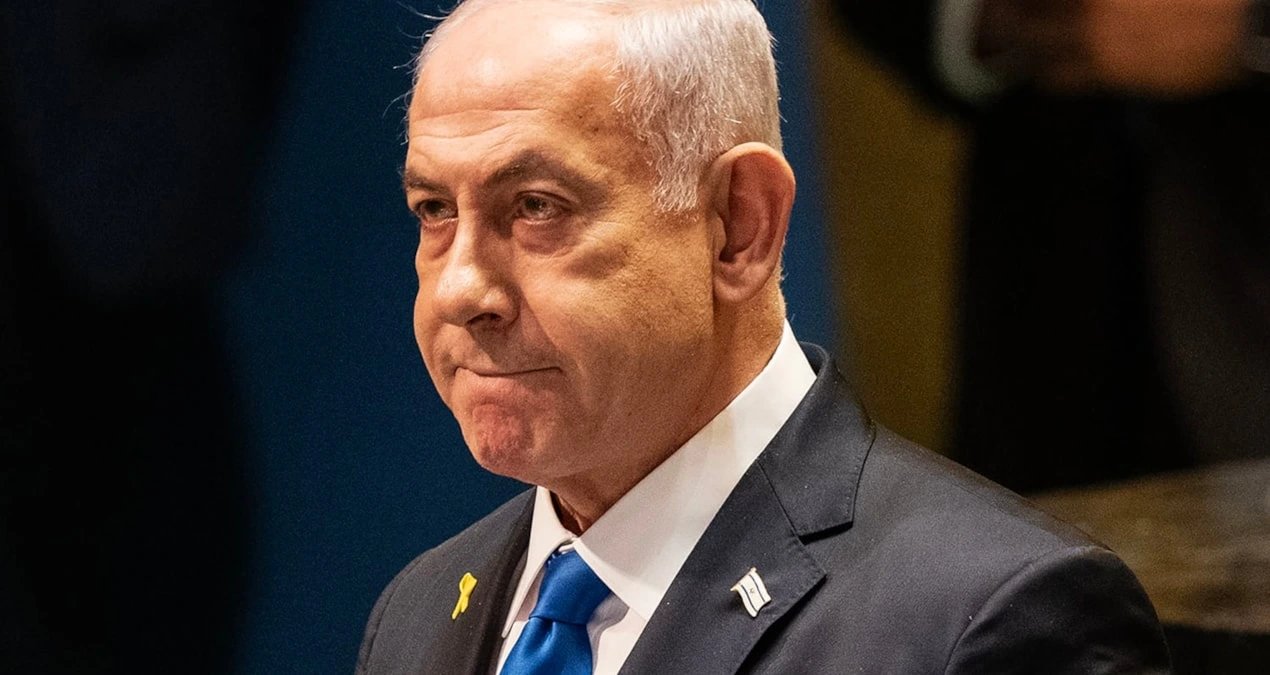
Prime Minister Benjamin Netanyahu's government, facing re-election next month, reacted harshly to the decision. Israeli Foreign Minister Gideon Sa'ar told Ynet TV last week that the era of acting against Israel without response is over, signaling preparations for unspecified diplomatic retaliation. Sa'ar claimed the Burnham government is trying to turn public opinion against Netanyahu's coalition ahead of Israel's October 27 elections, adding that the move will likely have the opposite effect. US Ambassador to Jerusalem Mike Huckabee accused the British government of antisemitism, despite Miliband being Jewish.
1 source
Time · lag behind first