
OECD finds teen reading at worst level this century amid screen time surge
This digest was compiled by AI from multiple sources — links to the originals are below.
Teenagers' reading skills fell to their lowest level this century, according to the OECD's 2025 PISA assessment of 760,000 15-year-olds across 91 countries. The average reading score dropped to 466 from a 2012 high of 501, while science and maths also hit record lows. The decline coincided with students spending 3.4 hours per weekday on digital devices for leisure.
Key Facts
- The OECD's 2025 PISA test covered 760,000 15-year-olds across 91 countries.
- Average reading scores fell to 466 from a 2012 high of 501 on the PISA index.
- Science scores dropped to 486 from a 2009 high of 506, and maths fell to 469 from 502 over the same period.
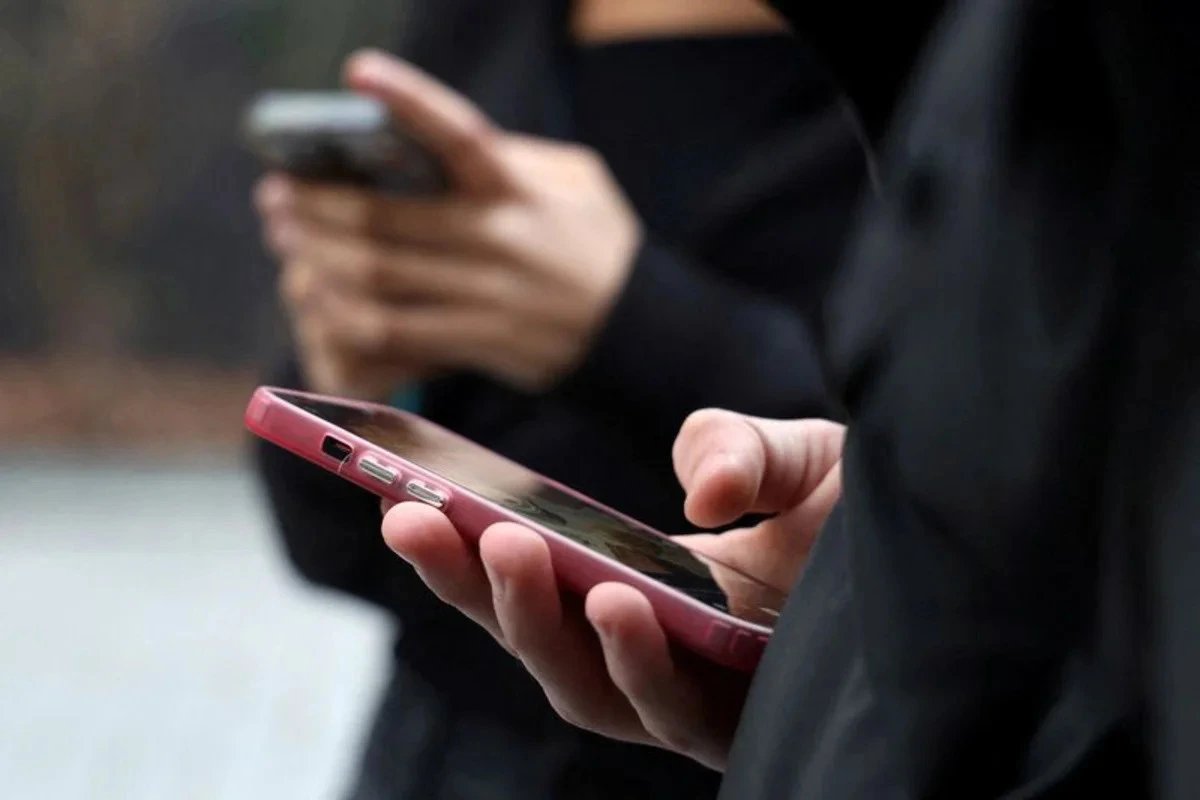
- Students in OECD member countries reported spending 3.4 hours per weekday on digital devices for leisure.
- Nearly half of students use AI chatbots regularly for learning, and those who use them for drafting essays score about 20 points lower in science.
Reading Decline
The OECD's 2025 PISA assessment found that 15-year-olds are reading at the worst levels seen this century. The average reading score fell to 466 from a 2012 high of 501, equivalent to the level expected of students one year younger. OECD head Mathias Cormann linked the decline to more screen time and less reading for pleasure. Reading scores fell more sharply among students from better-off backgrounds, the study added.
Science and Maths
Average science skills fell to 486 from a 2009 high of 506, while maths dropped to 469 from 502 in the same period. East Asia was the best-performing region, with Chinese cities, Japan, Korea, Singapore and Taiwan leading the rankings. Britain and Estonia were the only countries outside East Asia to make the top 10 in reading, mathematics and science.
Digital Distraction
The OECD said digital distraction is linked to lower science scores in 59 of 82 education systems studied. More than one in four students say devices distract classmates in science lessons. Students in OECD member countries reported spending 3.4 hours per weekday on digital devices for leisure and another 3 hours for learning purposes. Cormann said digital devices can improve learning only up to a point, with results starting to fall after more than five hours of daily use. Nearly half of students use AI chatbots regularly for learning, and those who use them for drafting essays, summarizing texts and researching topics score about 20 points lower in science.
1 source
Time · lag behind first