
Kazakhstan faces 1.8 million skilled worker shortage by 2030
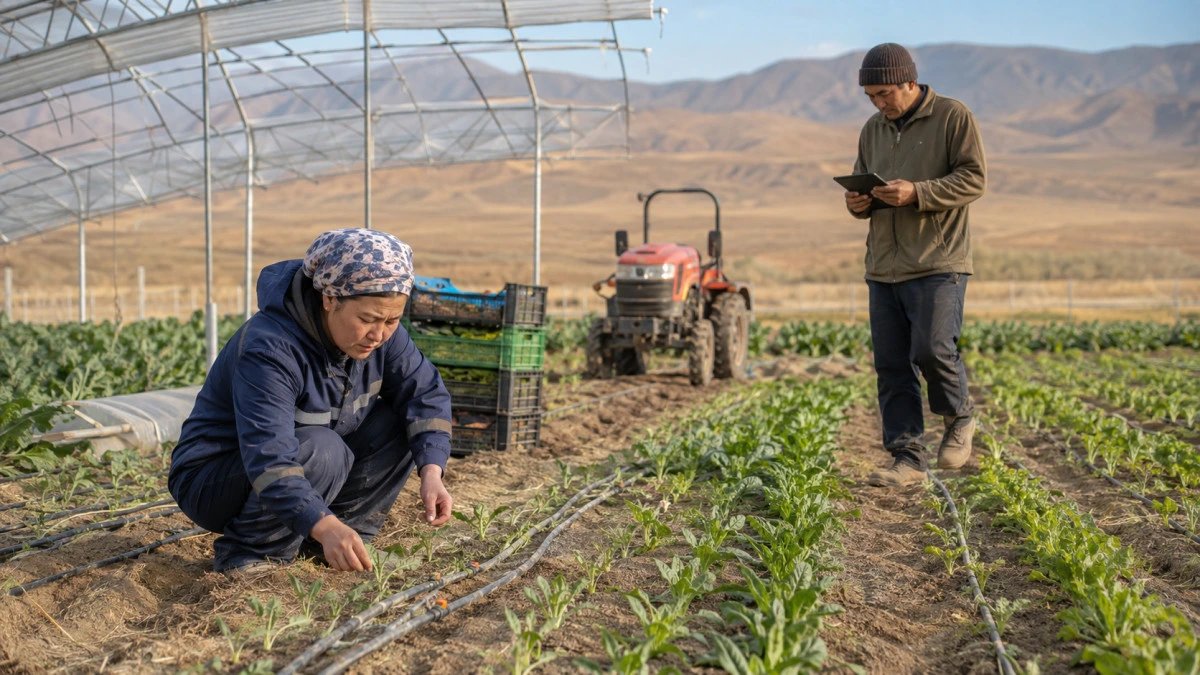
This digest was compiled by AI from multiple sources — links to the originals are below.
Kazakhstan will need more than 1.8 million skilled workers by 2030, Education Minister Zhuldyz Suleimenova said at a government meeting. The shortage is most acute in construction and agriculture, where demand exceeds current student numbers by 4.5 and 5.7 times respectively. The minister called for redistributing state education orders to match regional and sectoral needs.
Key Facts
- Kazakhstan will need more than 1.8 million skilled workers by 2030, according to a labor market forecast presented by Education Minister Zhuldyz Suleimenova.
- Construction will require 102,000 specialists while only 22,400 students are currently enrolled in relevant programs, a 4.5-fold gap.
- Agriculture will need 73,000 specialists but has only 12,700 students, a 5.7-fold shortfall.
- The state education order for technical and vocational training grew from 344,900 places in 2023–2024 to 393,300 in 2025–2026, a 14% increase over three years.
- The number of college graduates rose from 141,300 in 2023–2024 to 169,200 in 2025–2026, up 19.8%.
Labor Shortage Projections
By 2030, Kazakhstan will face a demand for more than 1.8 million skilled workers, Education Minister Zhuldyz Suleimenova said at a government meeting. The industrial sector will need 183,000 specialists, construction 102,000, agriculture 73,000, and IT 12,000. The gap is widest in construction, where demand exceeds current enrollment by 4.5 times, and in agriculture, where the ratio is 5.7 times. Suleimenova said the state education order must be redistributed to account for regional and sectoral workforce needs.
Demographic Pressure
Kazakhstan's population is projected to grow 10% to 21.6 million by 2030. The number of young people aged 15–28 will rise 29% to 4.6 million, while teenagers aged 15–18, potential college students, will increase 34% from 1.1 million to 1.5 million. Annual labor market demand during this period is estimated at 225,000 to 256,000 people, with over 70% of in-demand specialties linked to technical and vocational education. Employers increasingly value communication skills, critical thinking, adaptability, and digital literacy alongside professional knowledge.
Education Order Growth
The state education order for technical and vocational training reached 393,300 places in the 2025–2026 academic year, up from 344,900 in 2023–2024. Over three years, the order grew by 48,400 places, or 14%. Graduate numbers rose from 141,300 in 2023–2024 to 169,200 in 2025–2026, a 19.8% increase. The largest growth was in working qualifications, from 47,500 to 60,100 graduates, followed by mid-level specialties from 88,200 to 103,200.
2 sources
Time · lag behind first