
Cuba reports record $8bn US embargo losses, says no talks with Washington
This digest was compiled by AI from multiple sources — links to the originals are below.
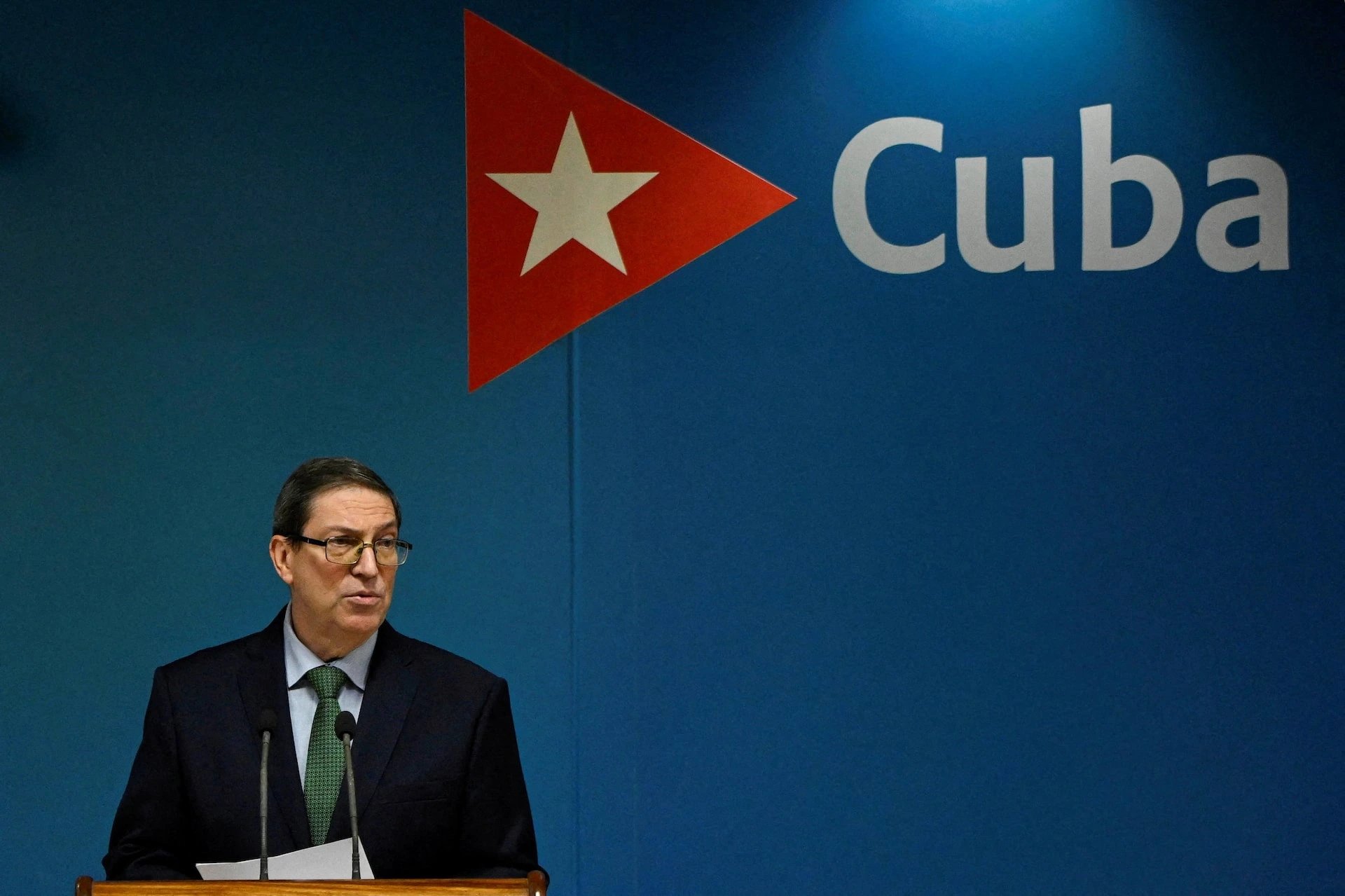
Cuba says the US embargo cost its economy $8 billion between March 2025 and February 2026, the highest figure yet recorded. Foreign Minister Bruno Rodríguez said on Monday that Havana and Washington are not negotiating and have no agenda for future talks. The announcement comes as Cuba faces months of blackouts with only two to three hours of electricity per day.
Key Facts
- The Cuban government says the US embargo cost its economy $8 billion between March 2025 and February 2026, the highest figure yet recorded and 7 percent more than the previous reporting period.
- Foreign Minister Bruno Rodríguez said on Monday that Havana and Washington are not negotiating and that there is no agenda for future talks.
- Rodríguez described the blockade as "genocidal" and accused Washington of imposing an "energy siege" and "extreme tightening of the blockade" through secondary sanctions.
- The UN General Assembly will take up its annual resolution calling for an end to the US embargo on October 27 and 28.
Embargo Damage Estimate
Cuba's latest estimate of $8 billion in losses covers the period from March 2025 to February 2026 and does not include some of Washington's more recent sanctions. Those excluded measures include restrictions on the island's energy supply imposed in January and secondary sanctions imposed in May. Rodríguez called the US policy one of "economic asphyxiation" and described the blockade as "genocidal" in a post on X.
Energy Crisis and Living Conditions
Rodríguez described months of living with only two or three hours of electricity per day or less, with food spoiling without refrigeration and parents fanning their babies through the heat. He said children try to do their schoolwork in the dark and young people go without internet access, adding that "all family life is damaged." Rodríguez blamed the situation on a US "energy siege," an "extreme tightening of the blockade," and secondary sanctions.
Diplomatic Standoff and UN Vote
Tensions between Washington and Havana have intensified under US President Donald Trump, and contacts between the two governments have since stopped. Rodríguez said the UN General Assembly will take up its annual resolution calling for an end to the US embargo on October 27 and 28. He accused Washington of putting "extraordinary pressure and intimidation" on other UN member states ahead of the vote but said Cuba still expects "overwhelming support" for ending the embargo.
1 source
Time · lag behind first