
Putin and Pashinyan to discuss Armenia's development path and referendum in Moscow
This digest was compiled by AI from multiple sources — links to the originals are below.
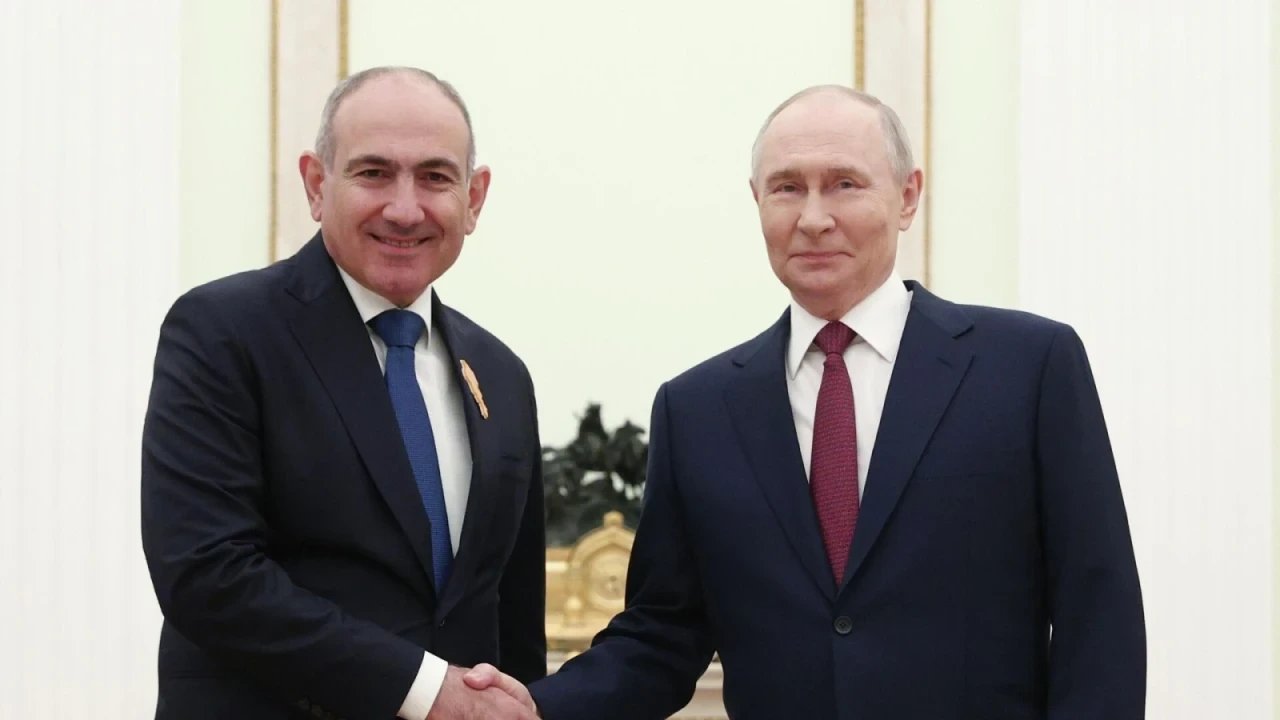
Russian President Vladimir Putin and Armenian Prime Minister Nikol Pashinyan will discuss Armenia's development direction and a possible referendum at an upcoming meeting in Moscow. Kremlin spokesman Dmitry Peskov announced the agenda on September 7, adding that the exact date of the visit will be agreed through diplomatic channels. The leaders previously agreed on the Moscow meeting during talks in Bishkek, where they identified specific trade and economic cooperation issues.
Key Facts
- Kremlin spokesman Dmitry Peskov announced on September 7 that Putin and Pashinyan will discuss Armenia's development direction and a possible referendum at a meeting in Moscow.
- The exact date of Pashinyan's visit to Moscow will be agreed through diplomatic channels.
- During their meeting in Bishkek, Putin and Pashinyan identified specific issues related to bilateral trade and economic cooperation.
- Peskov described the Bishkek meeting as important and substantive.
Moscow Meeting Agenda
The main topics of the upcoming Moscow talks will be Armenia's further development and its foreign policy orientation, as well as the holding of a referendum on this issue. Peskov stated that the heads of state will discuss the main topic: choosing the development direction, Armenia's orientation, and the issue of holding a referendum. The exact date of the Armenian prime minister's visit to Russia will be agreed through diplomatic channels.
Bishkek Meeting Outcomes
During the Bishkek meeting, Putin and Pashinyan discussed specific issues related to trade and economic cooperation. Peskov said the Bishkek meeting was very important and quite substantive. Relevant agencies of Russia and Armenia will work on trade issues based on the results of the Bishkek meeting. Peskov also recalled that during the Bishkek meeting, specific issues concerning bilateral trade and economic cooperation were identified.
2 sources
Time · lag behind first