
Chinese state firm shipped 46 tonnes of drone-grade carbon fibre to Russia, documents show
This digest was compiled by AI from multiple sources — links to the originals are below.
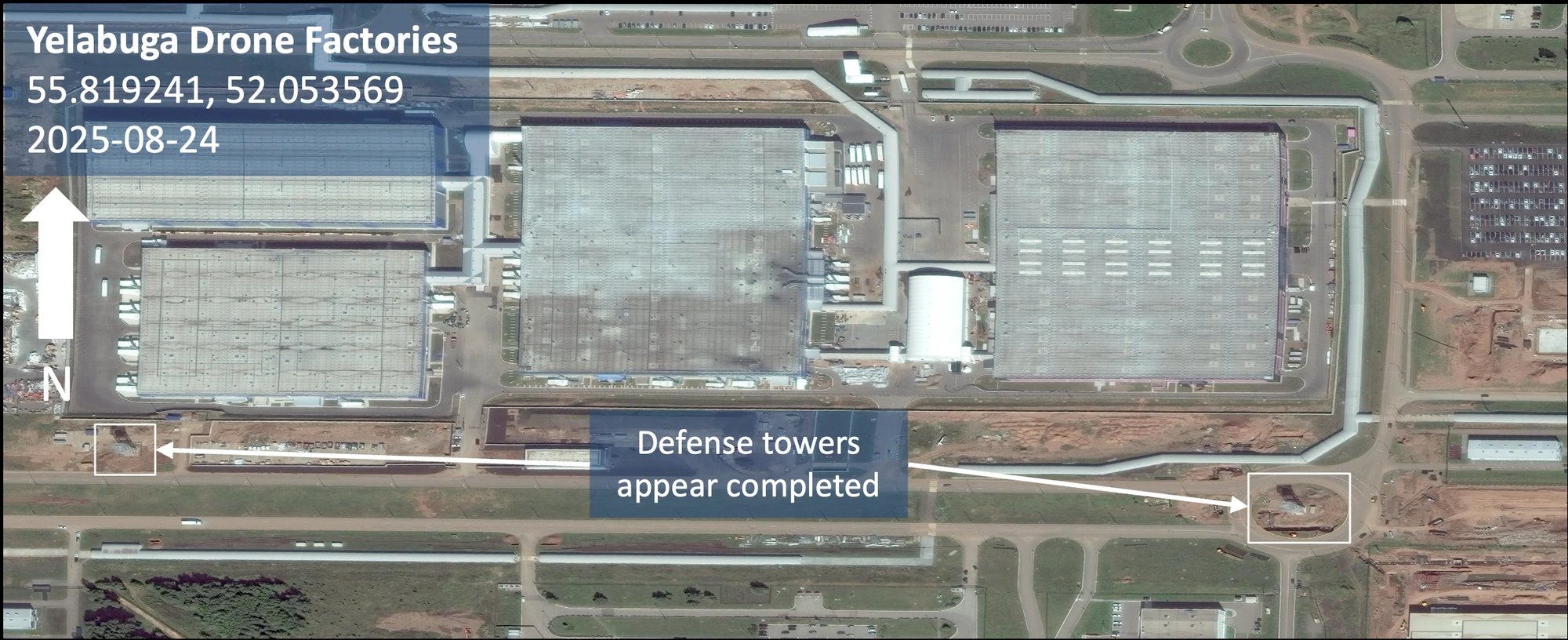
Chinese state company Jilin Chemical Fiber Group delivered 46 tonnes of polyacrylonitrile to Rosatom subsidiary Alabuga-Volokno in Tatarstan, according to customs and shipping documents reviewed by Politico and The Telegraph. The shipments were routed to the Alabuga special economic zone, where Iran-designed Shahed attack drones are produced. The export was recorded under a customs code for civilian synthetic fibres such as nylon and polyester.
Key Facts
- The 46-tonne shipment of polyacrylonitrile could support production of at least 1,300 drones, according to David Albright, president of the Washington-based Institute for Science and International Security.
- The documents were obtained from Russian sources by the Ukrainian Security and Cooperation Center and handed to the US and UK governments.
- The US House Select Committee on China reviewed the documents and verified their authenticity, a US official said.
- Alabuga-Volokno has been on Western sanctions lists since 2023 and manufactures carbon fibre products for aviation, rocketry, drones, shipbuilding and armour.
- China supplies more than 60 percent of the components needed for Russia's military industry, according to Kiel Institute data.
Shipment Details
Customs and shipping documents reviewed by Politico and The Telegraph show that Jilin Chemical Fiber Group delivered 46 tonnes of polyacrylonitrile to Alabuga-Volokno, a subsidiary of Russia's state nuclear corporation Rosatom. The deliveries were made to the Alabuga special economic zone in Tatarstan, where attack drones based on the Iranian-designed Shahed are produced. Export records used a customs code for civilian synthetic fibres such as nylon and polyester, rather than a code for dual-use materials. David Albright, president of the Washington-based Institute for Science and International Security, said carbon fibre is used to strengthen drone wings and internal structures, including engines and fuel tanks. Albright calculated that the documented 46-tonne shipment could be enough to produce at least 1,300 drones.
Document Provenance and Verification
The documents were obtained from Russian sources by the Ukrainian Security and Cooperation Center and subsequently handed to the US and UK governments. The US House Select Committee on China reviewed the documents and verified their authenticity, according to a US official. Kerri Beetsoff, a former US Treasury official who worked on sanctions against Russia's weapons supply networks, said the use of a different customs code could indicate an effort to conceal the sensitive nature of the order. Dennis Wilder, former CIA deputy director for East Asia and the Pacific, assessed that shipments of this scale were unlikely to occur without the knowledge of Chinese authorities.
Company Profiles and Responses
Alabuga-Volokno has been on Western sanctions lists since 2023 and manufactures dozens of carbon fibre products for aviation, rocketry, drones, shipbuilding and armour production. Jilin Chemical Fiber Group has not been placed under any sanctions. Rosatom officials said the corporation and its subsidiaries operate in full compliance with current legislation and regulatory requirements. China's embassy in Washington rejected the accusations, saying they aim to smear China and make it a scapegoat. The diplomatic mission stressed that Beijing strictly controls the export of dual-use goods. Albright said Russia is completely dependent on China for the special raw materials needed to produce high-strength carbon fibre. According to Kiel Institute data, China supplies more than 60 percent of the components required for Russia's military industry to function.
1 source
Time · lag behind first