
Tenge strengthens as foreign investors boost Kazakhstan bond holdings to $5bn
This digest was compiled by AI from multiple sources — links to the originals are below.
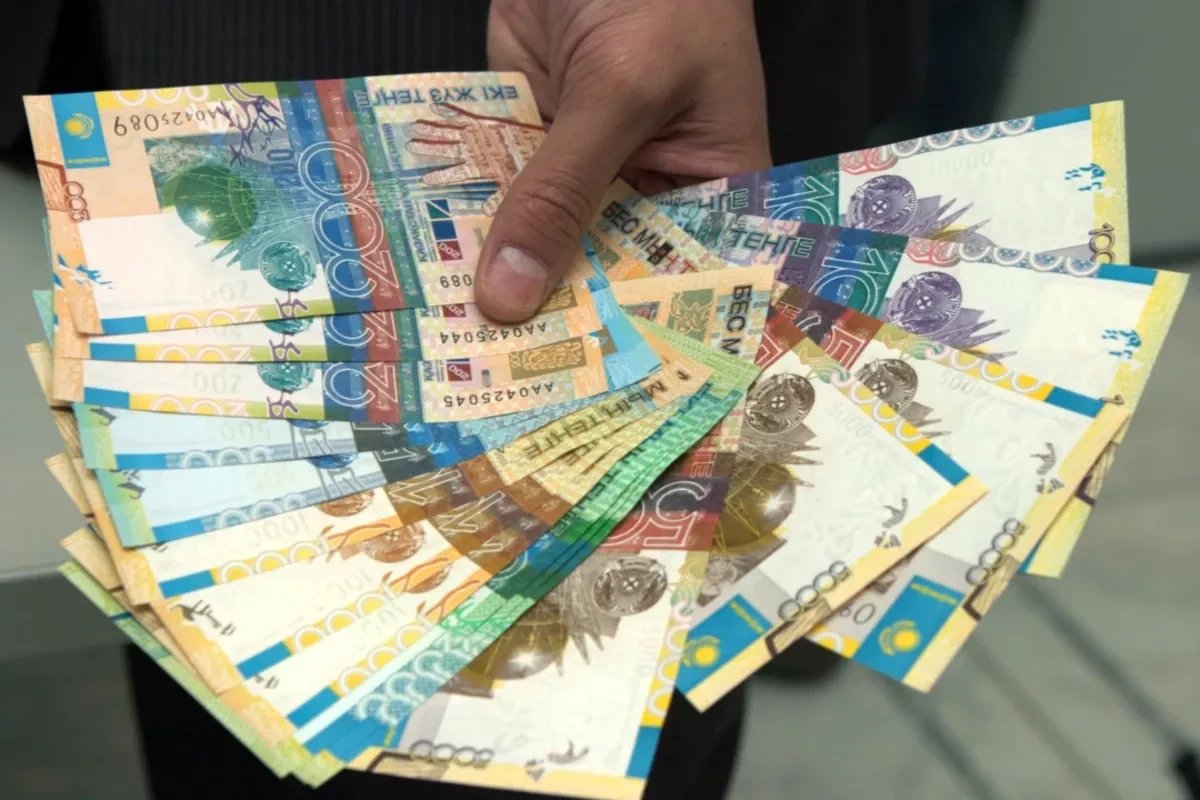
The Kazakh tenge has strengthened against the US dollar as foreign investors sharply increased holdings of Kazakhstan government bonds to $5 billion, or about 10% of the market, from $2 billion a year earlier. ING Bank chief economist Dmitry Dolgin attributes the appreciation primarily to capital inflows rather than trade balance changes. The bond market's connection to Euroclear and plans for inclusion in the JPMorgan GBI-EM index have further supported foreign demand.
Key Facts
- Foreign investors held $5 billion of Kazakhstan government bonds, about 10% of the market, up from $2 billion a year earlier.
- ING Bank chief economist Dmitry Dolgin said the tenge's strengthening is driven primarily by capital inflows, not trade balance changes.
- Kazakhstan's government securities were connected to the Euroclear settlement system, boosting foreign investor access.
- Kazakhstan attracted $6.3 billion in foreign direct investment in the first quarter of 2026.
Bond Market Inflows
Foreign investors increased their holdings of Kazakhstan government bonds to $5 billion, or about 10% of the market, from $2 billion a year earlier. The tenge has become one of the strongest currencies in Europe and Asia since the start of 2026, according to the Financial Times. ING Bank chief economist Dmitry Dolgin said the appreciation is primarily due to capital inflows rather than changes in the trade balance.
Market Infrastructure Support
Kazakhstan's government securities were connected to the Euroclear international settlement system, which expanded access for foreign investors. Plans to include Kazakhstan in the JPMorgan GBI-EM index have further supported foreign demand for the country's bonds. Kazakhstan attracted $6.3 billion in foreign direct investment in the first quarter of 2026.
1 source
Time · lag behind first