
Russian Telegram network lures users with fake rape claims against Ukrainian women soldiers
This digest was compiled by AI from multiple sources — links to the originals are below.
A network of pro-Russian Telegram channels has used images of at least 20 Ukrainian women soldiers in thousands of posts falsely claiming they were raped or executed. The posts, shared by about 1,700 channels, have drawn more than 65 million views since Russia's February 2022 invasion. The scheme funnels users into paid chat rooms, generating revenue for channel operators.
Key Facts
- BBC identified more than 20 women, most serving or having served in the Ukrainian military, whose images were used in the network's posts.
- Over 6,500 posts containing sexual assault claims were found, with approximately 5,400 later deleted but replaced by automated reposts with the same text and spelling errors.
- The posts were shared by about 1,700 small channels covering topics from adult content to finance and pro-war groups, accumulating over 65 million views.
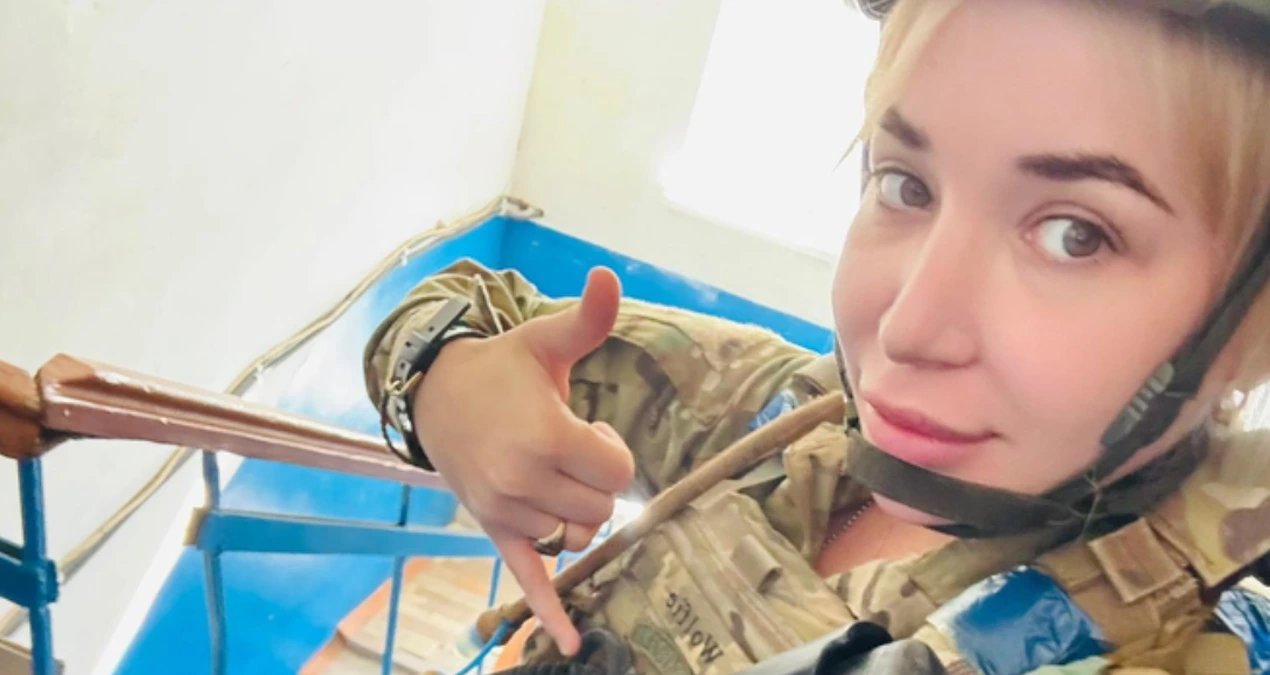
- Georgian combat medic Keti Leshkasheli discovered her photo, taken years earlier in Avdiivka, was used in posts claiming she had been captured and raped.
- BBC spoke with seven of the targeted women, who described the advertisements as nauseating and reported the accounts, but new ones kept appearing.
Network Mechanics
The scheme operates through Telegram channels that post graphic war content and false claims about Ukrainian women prisoners to attract subscribers. Users are lured with a link to a Telegram group room where the rest of the images are supposedly available, but entering the group requires payment. Even a single user joining these mostly advertising-filled groups is enough for the group owners to earn money, as the groups work as a network and support each other. Analysis tools found more than 6,500 ad posts containing sexual assault claims, though their authenticity is disputed.
Targeted Women
Keti Leshkasheli, a Georgian combat medic in the Ukrainian armed forces, learned about the posts from relatives after returning from the front about three years ago. She told BBC that a video and a link to a Telegram channel claimed she and other girls had been captured and 'punished'. Leshkasheli confirmed the photo was of her, taken years earlier in military uniform in Avdiivka, now under Russian occupation. Yuliia Mala, another woman whose photos were used, said she reported and blocked the accounts but there were too many.
1 source
Time · lag behind first