
China reports 43 dead, 519 missing after Tibet landslide near Nepal border
This digest was compiled by AI from multiple sources — links to the originals are below.
At least 43 people died and 519 are missing after a landslide struck the Gyirong border checkpoint between China and Nepal on August 26. China has deployed more than 2,500 personnel and 500 pieces of equipment in search and rescue operations. The missing include 261 foreign nationals from 23 countries.
Key Facts
- At least 43 people died and 519 are missing after the August 26 landslide at the Gyirong border checkpoint between China and Nepal.
- The missing include 261 foreign nationals from 23 countries, according to the local emergency response headquarters.
- China has deployed more than 2,500 personnel and over 500 pieces of equipment, and has conducted more than 1,000 drone sorties.
- Authorities in Gyirong County have assisted 1,720 Nepali residents stranded on Chinese territory after the landslide destroyed the border checkpoint.
- China is sharing daily updates on meteorological, hydrological, and glacial conditions with Nepal through a disaster warning information exchange mechanism.
Casualties and Missing
The local emergency response headquarters announced the updated figures at a press conference on Sunday. The landslide was triggered by the collapse of a high-altitude glacier in Nepal. Earlier reports had stated one death and 11 missing after the landslide.
Search and Rescue Operations
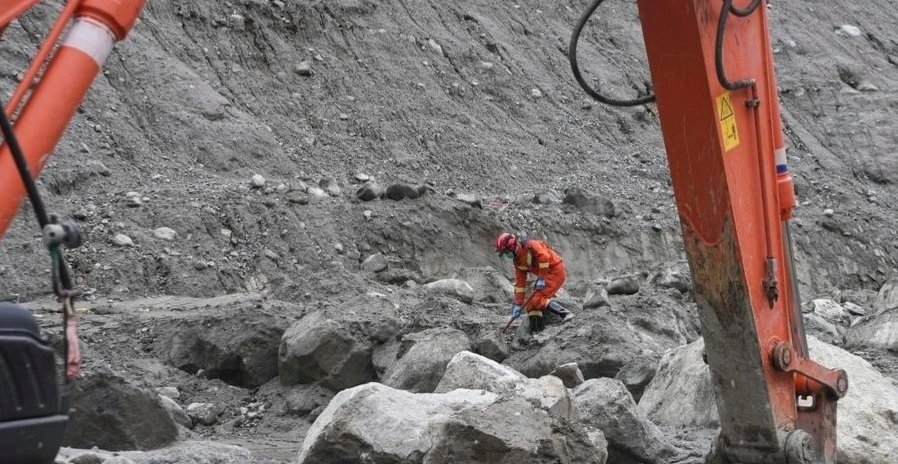
China launched a large-scale search and rescue operation after the deadly landslide. As of 18:00 Saturday, more than 2,500 personnel and over 500 pieces of equipment had been deployed. More than 1,000 drone sorties were flown and 5.43 tonnes of supplies were airdropped.
Cross-Border Assistance
Gyirong County authorities assisted 1,720 Nepali residents stranded on Chinese territory. Many Nepali citizens working or doing business in Gyirong were unable to leave after the landslide destroyed the border checkpoint they normally used. China is providing Nepal with daily updates on meteorological, hydrological, and glacial conditions through a disaster warning information exchange mechanism.
1 source
Time · lag behind first