
Tokayev ties Kazakhstan's reform success to public consciousness shift
This digest was compiled by AI from multiple sources — links to the originals are below.
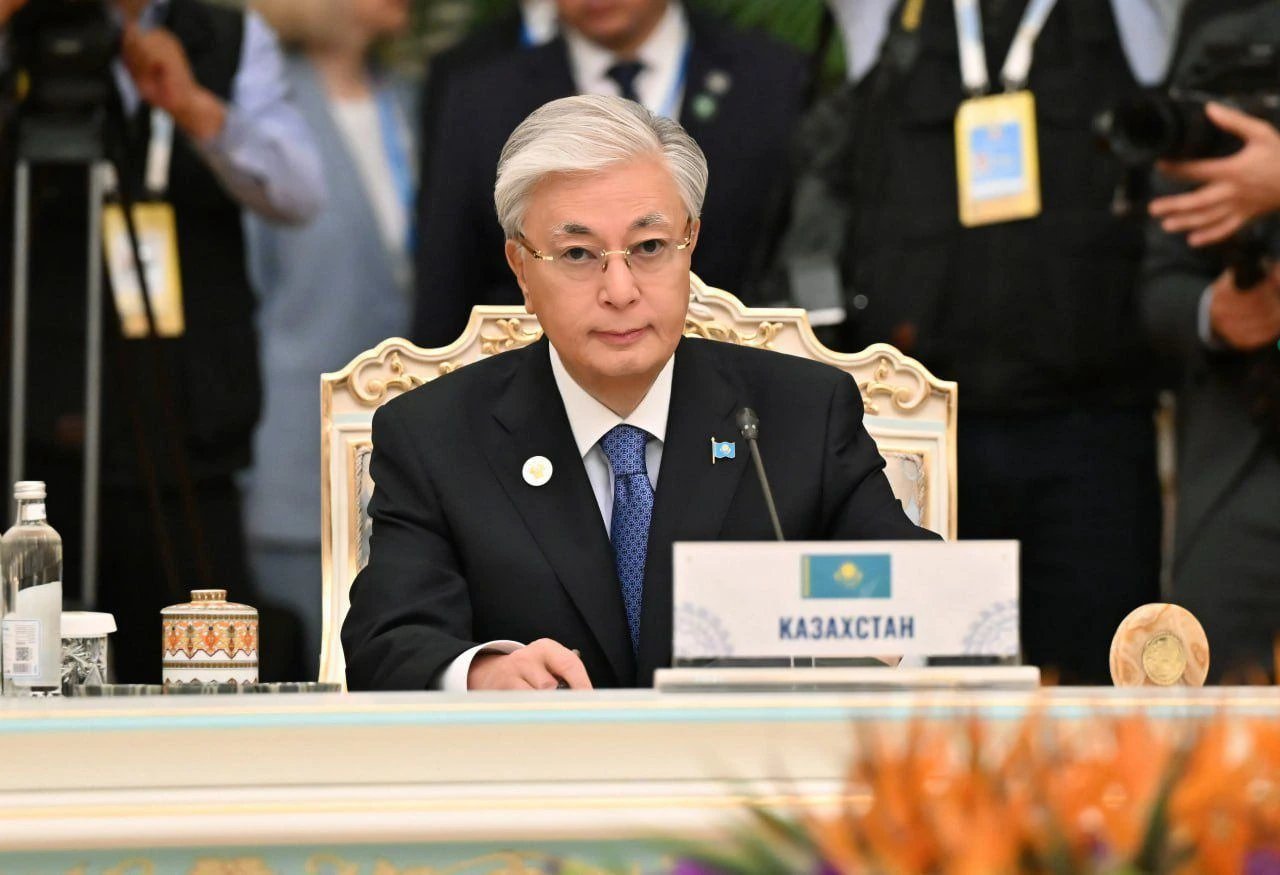
President Kassym-Jomart Tokayev said at the August conference that historical changes shaping Kazakhstan's future require a renewal of public consciousness. He framed this modernization of thinking as a precondition for successful reforms, not merely an educational slogan. The argument echoes Deng Xiaoping's late-20th-century principle of liberating thought and seeking truth in practice.
Key Facts
- President Kassym-Jomart Tokayev stated at the August conference that public consciousness must be renewed for historical changes to succeed.
- Tokayev called the modernization of public consciousness one of the main conditions for the success of historical transformations in Kazakhstan.
- The argument parallels Deng Xiaoping's principle of 'liberate thought, seek truth in practice' from the late 20th century.
- China's Third Plenum of the 11th CPC Central Committee in December 1978 shifted focus from class struggle to socialist modernization and economic reform.
The August Conference Statement
At the recent August conference, President Kassym-Jomart Tokayev declared that 'for historical changes determining the future of our nation to be successful, public consciousness must first be renewed.' Tokayev identified the modernization of public consciousness as a primary condition for the success of historical transformations in Kazakhstan. The statement goes beyond education and upbringing, addressing the broader direction of Kazakhstan's development.
The Deng Xiaoping Parallel
Tokayev's call for renewed public consciousness echoes Deng Xiaoping's late-20th-century principle of 'liberate thought, seek truth in practice.' The comparison is not meant to equate the historical conditions, political systems, or reform content of Kazakhstan and China. Both approaches share a common pattern: major change requires first changing attitudes toward change itself.
China's Reform Precedent
After the founding of the People's Republic of China in 1949, the country followed a socialist development path, but several political and economic campaigns in the 1950s–1970s failed. The Great Leap Forward caused a severe crisis in agriculture and industry, and the Cultural Revolution of 1966–1976 further weakened education, science, culture, and governance. After Mao Zedong's death in 1976, reformers led by Deng Xiaoping advocated focusing on real results rather than rigid adherence to previous directives. In December 1978, the Third Plenum of the 11th CPC Central Committee decided to shift the country's focus from class struggle to socialist modernization, economic development, and reform.
5 sources
Time · lag behind first