
Sorbitol sweetener converts to fructose in gut, WashU study finds
This digest was compiled by AI from multiple sources — links to the originals are below.
A Washington University study found that the sugar substitute sorbitol is converted to fructose in the gut, potentially undermining its reputation as a healthier sweetener. The research, published in Science Signaling, showed that intestinal enzymes produce sorbitol from glucose after meals, even in healthy individuals. The findings suggest sorbitol may have metabolic effects similar to fructose, which is linked to liver disease and cancer growth.
Key Facts
- The study was published in Science Signaling by researchers at Washington University in St. Louis.
- Sorbitol is one metabolic step away from fructose, according to chemistry professor Gary Patti.
- Intestinal enzymes can produce sorbitol from glucose after a meal, even in healthy individuals.
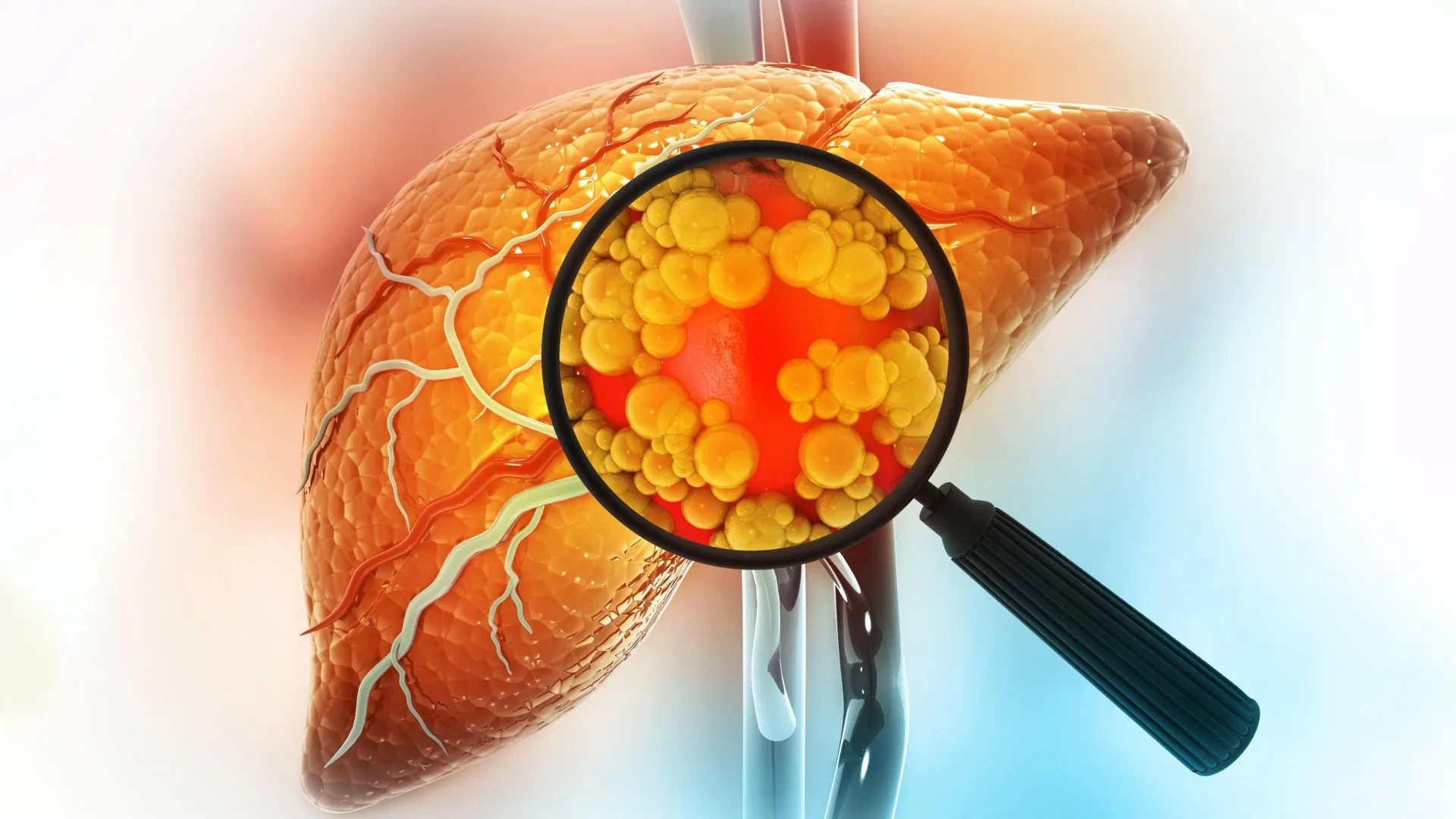
- Fructose metabolism has been linked to steatotic liver disease, which affects about 30% of adults worldwide.
- Sorbitol is commonly added to low-calorie candy and chewing gum and occurs naturally in stone fruits.
Metabolic Pathway
Gary Patti, the Michael and Tana Powell Professor of Chemistry at Washington University in St. Louis, described sorbitol as 'one transformation away from fructose.' The body can convert sorbitol into a closely related form that may produce effects similar to fructose. Patti's earlier work showed that products of fructose metabolism can be exploited by cancer cells to promote their growth. Other research identified fructose as an important contributor to steatotic liver disease, a condition involving excess fat accumulation in the liver.
Gut Production
Researchers performed experiments in zebrafish to trace what happens to sorbitol inside the body. The team found that sorbitol does not have to come directly from food; enzymes in the intestine can produce it from glucose after a meal. Once sorbitol is present, its fate depends on how much glucose and sorbitol has been consumed and on the types of bacteria living in the gut. The enzyme responsible for making sorbitol has a relatively low affinity for glucose and generally does not become very active until glucose concentrations rise substantially. The zebrafish experiments showed that diabetes is not required; even under healthy conditions, glucose concentrations inside the gut can become high enough after eating to trigger significant sorbitol production.
1 source
Time · lag behind first