
Reform UK's Birmingham gains signal abandonment, not multicultural failure
This digest was compiled by AI from multiple sources — links to the originals are below.
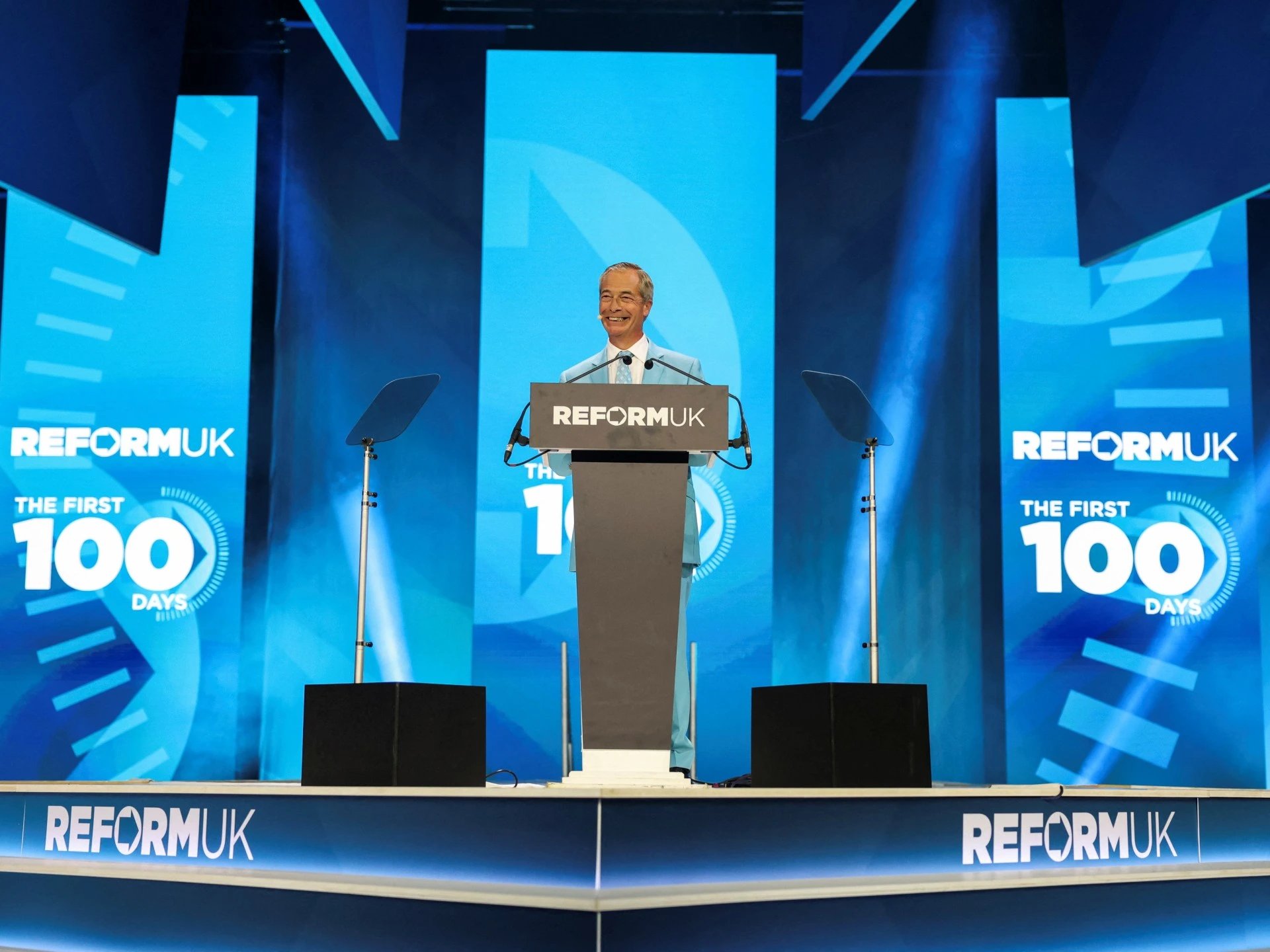
Reform UK became the largest group on Birmingham City Council in May's local elections, winning 23 of 101 seats. The party has found no coalition partners, leaving a Liberal Democrat-led minority administration to run the city. Its gains reflect widespread feelings of abandonment rather than a rejection of multiculturalism.
Key Facts
- Reform UK won 23 of 101 seats on Birmingham City Council in May's local elections, becoming the largest single group.
- The Green Party received the largest number of votes citywide but secured only 19 seats under the first-past-the-post system.
- Labour collapsed from 65 seats to 17, while the Conservatives won 16 and the Liberal Democrats 12.
- Birmingham is now governed by a minority administration of Liberal Democrats, Greens, and the Better Birmingham Independents group.
- According to 2021 census analysis, 48.6 percent of Birmingham residents identified as white and 51.4 percent as Black, Asian, mixed, or other ethnic categories.
Election Results
Reform UK's strongest performances came in outer-city wards that are poor and less diverse. The overall result was fragmentation, with no party securing a majority on the 101-seat council. Reform UK has not translated its seat lead into power, as it found no coalition partners. The city is run by a collaborative minority administration led by a Liberal Democrat leader and a Green deputy.
Political Implications
Reform UK's gains in Birmingham demand serious attention but should not be inflated into a popular mandate. The party's presence is a warning about the feeling of abandonment spreading across Britain, not proof that multiculturalism has failed. Disillusionment with Labour is also creating space for a progressive challenge, with the Greens under Zack Polanski offering a clearer language of economic justice and public investment.
1 source
Time · lag behind first