
Jakarta's Soekarno-Hatta airport halts flights after Anak Krakatau eruption
This digest was compiled by AI from multiple sources — links to the originals are below.
Indonesia's largest airport, Soekarno-Hatta in Jakarta, suspended flight operations on September 6 after volcanic ash from Anak Krakatau spread into the area. The restriction took effect at 01:30 local time and was extended until 09:30, affecting 33 flights. The volcano erupted overnight, with about ten lava and ash emissions recorded.
Key Facts
- Soekarno-Hatta airport suspended flight operations at 01:30 local time on September 6 due to volcanic ash from Anak Krakatau.
- The restriction was extended until 09:30 local time, affecting 33 flights in total.
- By 22:00 on September 5, 16 international flights were cancelled, 7 delayed, and 5 postponed.
- Anak Krakatau erupted about ten times with lava and ash emissions, accompanied by underground tremors.
Airport Closure
Soekarno-Hatta airport in Jakarta suspended flight arrivals and departures after volcanic ash from Anak Krakatau spread into the area. The restriction was imposed at 01:30 local time on September 6 and initially planned to last four hours. The flight ban was extended until 09:30 after air quality checks near the airport confirmed the presence of volcanic ash.
Flight Disruptions
By 22:00 on September 5, 16 international flights were cancelled, 7 delayed, and 5 postponed. The restrictions affected 33 flights in total, including routes to Singapore, Hong Kong, Sydney, Seoul, Doha, Amsterdam, and Kuala Lumpur. Four domestic flights were also cancelled, and one aircraft was diverted to another airport.
Volcanic Activity
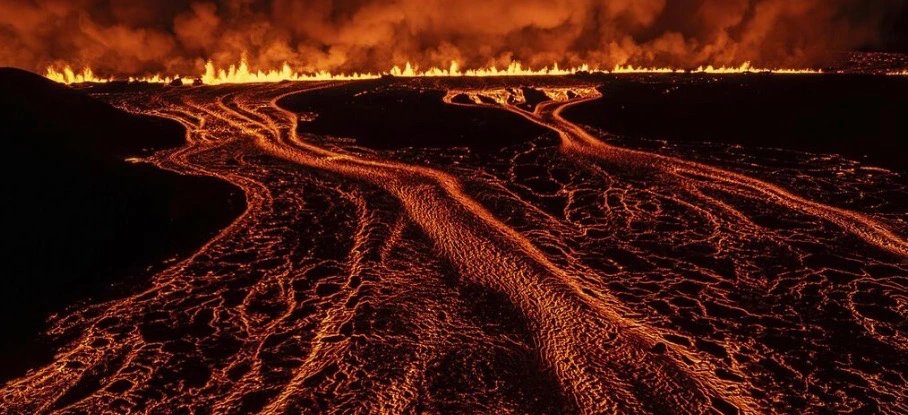
Anak Krakatau erupted on the night of September 5, with about ten lava and ash emissions recorded by Indonesia's geological agency. Underground tremors were also registered during the eruption. The volcano's activity has remained at a high level since July 2026.
1 source
Time · lag behind first