
South Africa's chrome wealth fuels deadly illegal mining economy
This digest was compiled by AI from multiple sources — links to the originals are below.
A wall of soil collapsed at a disused mine near Rustenburg, South Africa, on August 13, killing 14 miners, most believed to be undocumented migrants. The disaster exposed a deadly underground economy where vulnerable migrants, unemployed former miners, and criminal groups converge around illegal chrome extraction. South Africa is the world's largest chrome producer, with much of its ore feeding global supply chains.
Key Facts
- On August 13, a wall of soil collapsed at a disused mining site near Nkaneng, outside Rustenburg, killing 14 miners.
- Most of the victims were believed to be undocumented migrants, according to North West police commissioner Lieutenant-General Arthur Adams.
- South Africa is the world's largest chrome producer and exporter, with much of its ore feeding China's stainless steel industry.
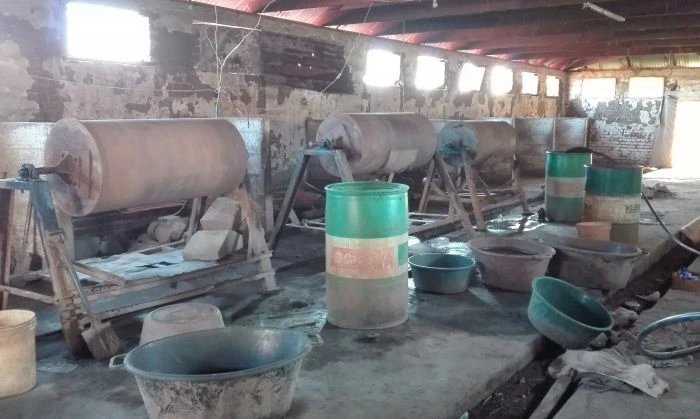
- An illegal chrome-washing plant operates near Nkaneng, an informal settlement outside Rustenburg in North West province.
- Thousands of abandoned mine shafts remain across South Africa, creating opportunities for illegal operators and exposing workers to deadly conditions.
The Collapse
A wall of soil collapsed at a disused mining site near Nkaneng, an informal settlement outside Rustenburg in South Africa's North West province, on August 13. The collapse killed 14 miners, most of whom were believed to be undocumented migrants. Lerothodi Nale, a migrant from Lesotho who escaped the collapse, told Al Jazeera that 'it happened in a flash, and the earth swallowed a dozen.' North West police commissioner Lieutenant-General Arthur Adams said more miners could still be trapped underground.
Illegal Chrome Economy
Rustenburg sits above the Bushveld Igneous Complex, one of the world's richest geological formations, containing vast deposits of platinum-group metals and chrome. South Africa is the world's largest chrome producer and exporter, with much of its ore feeding global supply chains, particularly China's stainless steel industry. Alongside the formal mining sector, illegal extraction has expanded in parts of the country, including North West province, where authorities have raised concerns about unauthorised mining operations, environmental destruction, and criminal groups exploiting abandoned and inactive mine sites. Chrome is attractive to illegal operators because deposits can often be reached closer to the surface, lowering extraction costs compared with deeper underground mining. Environmental remediation expert Shamiso Mupara told Al Jazeera that 'for criminal networks, it becomes easier to extract, process and move the ore into supply chains.'
Abandoned Mines and Response
Thousands of abandoned mine shafts remain across South Africa, creating opportunities for illegal operators and exposing workers to deadly conditions. Metals governance expert Tapuwa Nhachi said 'the disused mines are sitting graves with no geologists to confirm if rocks are still stable down there.' Nhachi also told Al Jazeera that 'not a month goes without fatalities in abandoned mine holes.' South Africa's government has announced programmes to rehabilitate abandoned mines and close dangerous shafts, but critics say the scale of the response remains far below the challenge facing the country.
1 source
Time · lag behind first