
Toy-filled gambling machines in parks push Kazakh children toward addiction
This digest was compiled by AI from multiple sources — links to the originals are below.
Toy-filled gambling machines in Astana parks are exposing children to gambling-style behavior, with 17.9% of adolescents worldwide engaging in betting. Deputy Nurgul Tau says parents are unknowingly letting children taste gambling by paying for them to play. The machines, often seen as harmless, may turn play into a habit of staking money for prizes.
Key Facts
- 17.9% of adolescents worldwide engage in gambling, meaning one in six teenagers places bets.
- In the last 12 months, 159.6 million children globally staked money and awaited winnings.
- Among adolescent gamblers, 40.8% are boys and 21% are girls.
- Deputy Nurgul Tau of the Qurultay of Kazakhstan says parents pay for children aged 5-7 to play on toy-filled machines.
Park Machines and Child Gambling
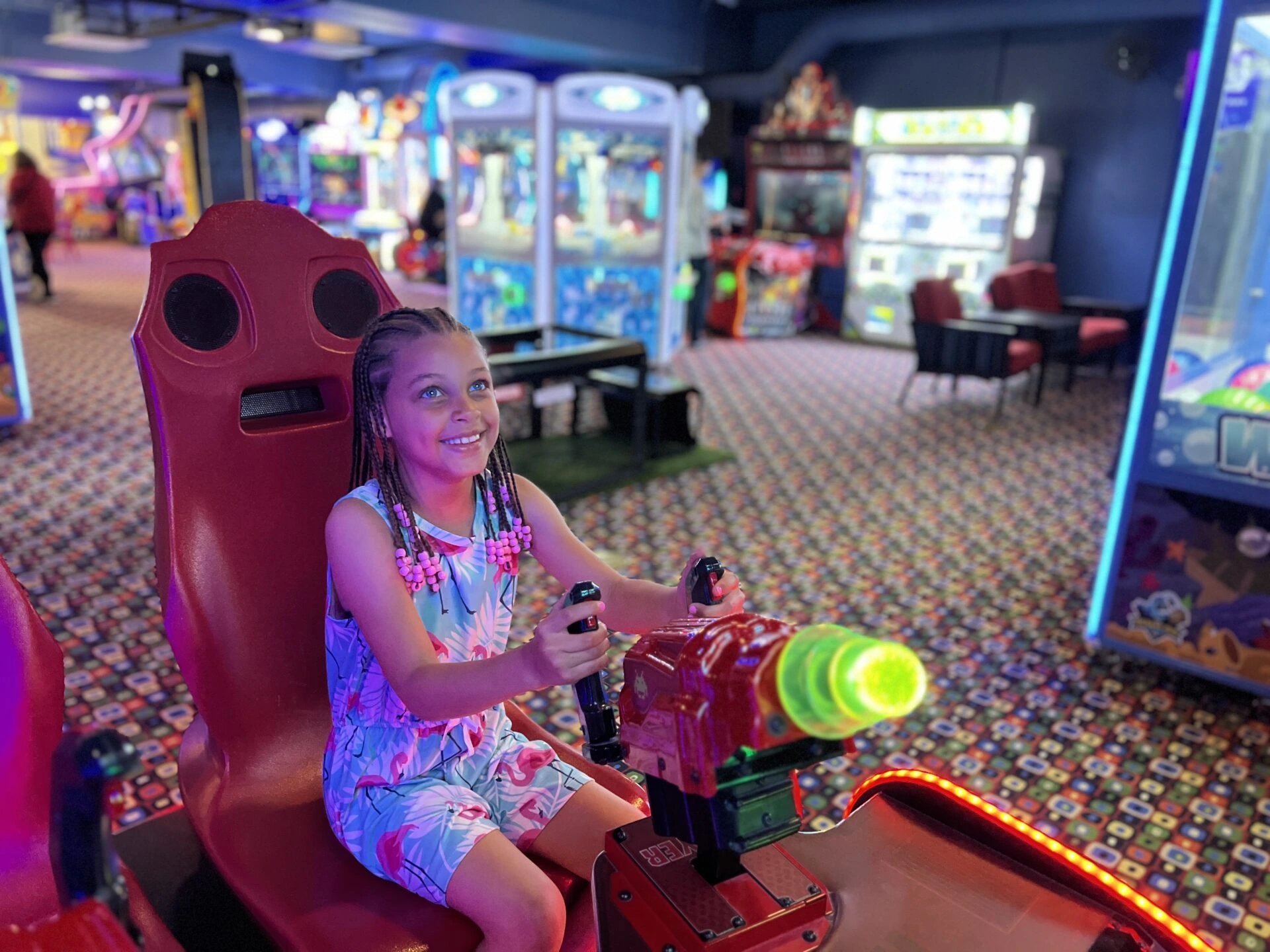
Toy-filled gambling machines now occupy every corner of the park along the Yesil embankment in Astana. Parents are seen paying for children to play, with one father saying he cannot refuse when his child asks to play. Deputy Nurgul Tau warns that adults are unknowingly letting children taste gambling by funding their play.
Global Adolescent Gambling Statistics
Worldwide, 17.9% of adolescents gamble, equivalent to one in six teenagers. Over the past 12 months, 159.6 million children staked money and awaited winnings. Boys account for 40.8% of adolescent gamblers, while girls account for 21%.
Psychological Impact on Children
A psychologist says play that begins as fun can turn into a habit of staking money and awaiting winnings. Deputy Tau notes that children aged 5-7 become happy after winning a toy and then want a second and third. The machines, though not resembling traditional gambling, may normalize betting behavior in children.
1 source
Time · lag behind first