
Nepal floods expose hydropower dependence after 1,300 deaths
This digest was compiled by AI from multiple sources — links to the originals are below.
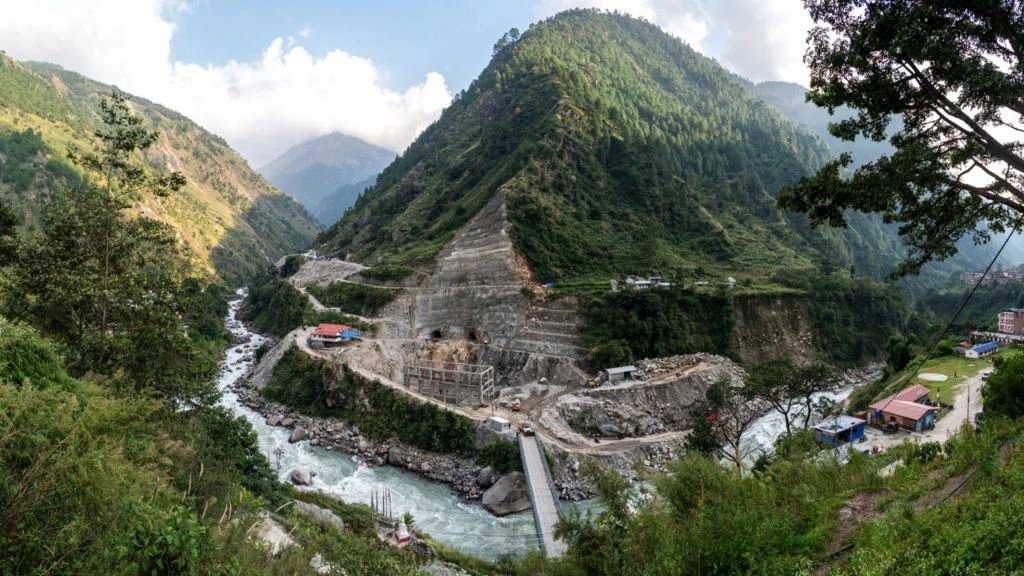
Flash floods in Nepal killed more than 1,300 people and damaged 12 hydropower plants in the Trishuli River basin, knocking out over 10% of the country's power generation capacity. The state-owned Nepal Electricity Authority says supply remains adequate, but its spokesman acknowledges the need to rethink hydropower policy. The disaster highlights the vulnerability of Nepal's near-total reliance on hydropower as Himalayan glaciers warm faster than the global average.
Key Facts
- More than 1,300 people were killed in the flash floods near the Nepal-Tibet border.
- The floods severely damaged 12 hydropower plants in the Trishuli River basin and knocked out more than 10% of Nepal's total power generation capacity.
- Nepal earns nearly $200 million annually from exporting hydroelectricity to India and Bangladesh.
- Nepal has 225 hydropower plants with more than 3,900 MW of installed capacity, according to the Nepal Electricity Authority.
- High-altitude regions of the Himalayas are warming 50% faster than the global average.
Hydropower Dominance
Almost 100% of Nepal's electricity comes from hydropower, and the country exports surplus power to India and Bangladesh. Nepal earns nearly $200 million each year from these hydroelectricity exports. Only two-thirds of Nepalis had access to electricity in 2010, with connected households facing power cuts of up to 16 hours a day. By 2018, expansion of hydropower infrastructure and energy imports from India brought 24-hour power supply to most of Nepal. The Nepal Electricity Authority reports 225 hydropower plants with more than 3,900 MW of installed capacity, enough to power about three million households simultaneously.
Flood Damage
The floods destroyed entire villages near the Nepal-Tibet border and killed more than 1,300 people, with thousands still missing. Twelve hydropower plants in the Trishuli River basin were severely damaged, knocking out more than 10% of Nepal's total power generation capacity. Operators told the BBC they do not yet know if any of these facilities can be brought back to operation. The state-owned Nepal Electricity Authority, which owns six of the 12 damaged facilities, has assured households that supply remains adequate. Preliminary investigations point to a collapsed glacier and its bedrock as the cause of the flash flood.
Climate Vulnerability
High-altitude regions of the Himalayas are warming 50% faster than the global average, increasing environmental risks for mountain hydropower projects. Nepal's Disaster Risk Reduction and Management Authority previously said more than nine in 10 disaster events recorded between 2018 and 2024 were climate-related. Former Energy Minister Kulman Ghising called the deluge a once-in-a-century event and said it holds lessons for plant design and site selection. Nepal Electricity Authority spokesman Rajan Dhakal acknowledged that with climate-related disasters becoming more frequent, the time has come for a rethink of hydropower policy.
1 source
Time · lag behind first