
Freedom Flotilla Coalition launches new Gaza mission, vessels en route to European ports
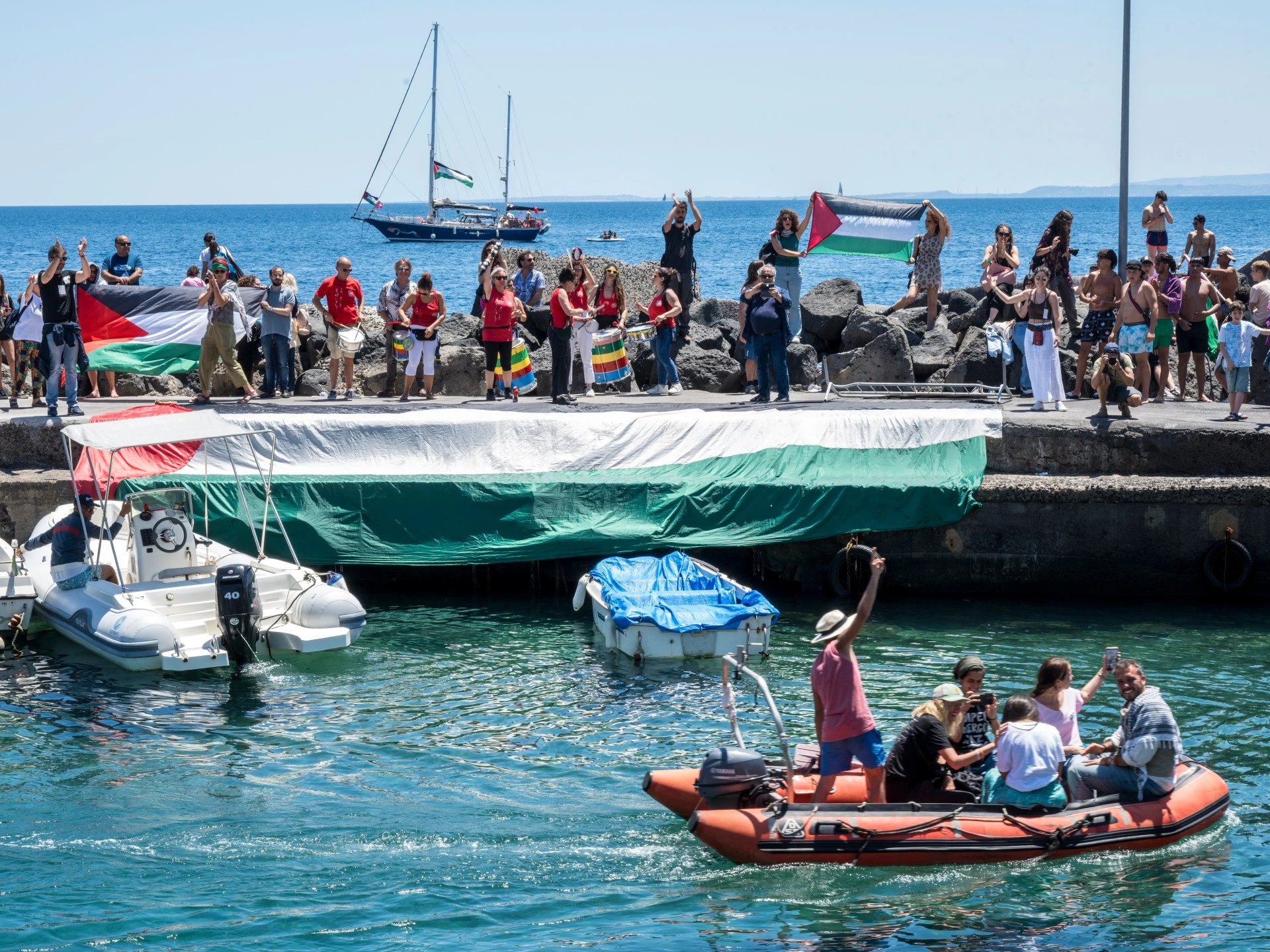
This digest was compiled by AI from multiple sources — links to the originals are below.
The Freedom Flotilla Coalition has launched a new international mission to challenge Israel's blockade of Gaza, with two vessels already sailing through European ports. The coalition plans to reach Gaza's shores in October, despite documented violence against previous flotilla participants. The mission calls on governments to guarantee safe passage and use diplomatic measures to end the blockade.
Key Facts
- The Freedom Flotilla Coalition announced a new international mission to challenge Israel's blockade of Gaza, with vessels stopping at European ports before attempting to reach Gaza in October.
- Two vessels have already set out: Handala II sailed around Scandinavia in June and July, and Kate departed Bristol, UK, earlier this month, calling at ports in Ireland, Germany, and France.
- The coalition is calling on governments to guarantee safe passage, press Israel to end obstruction of food, water, and medicine into Gaza, and declare that any attack or seizure of the vessels will trigger diplomatic consequences.
- The coalition traces its roots to 2010, when Israeli forces killed 10 activists on board the Mavi Marmara during a flotilla attempt.
Mission Launch and Route
The Freedom Flotilla Coalition announced that a new international mission is under way, with vessels stopping at European ports ahead of its attempt to reach Gaza's shores in October. The coalition said the mission to challenge Israel's illegal and deadly blockade of Gaza would go ahead despite documented violence against flotilla volunteers, including severe beatings, repeated tasering, and sexual assault. Two vessels have already set out: Handala II sailed around Scandinavia in June and July, stopping in Norway, Sweden, and Denmark, while Kate departed Bristol, UK, earlier this month and has since called at ports in Ireland, Germany, and France. Stops in Spain, Portugal, and Italy are planned before the flotilla continues towards Gaza.
Demands and Participant Voices
The coalition is calling on governments to guarantee safe passage for the flotilla, press Israel to end its obstruction of food, water, and medicine into Gaza, declare that any attack or seizure of the vessels will trigger diplomatic consequences, and use diplomatic and economic measures to end the blockade. Zohar Chamberlain Regev, an FFC Steering Committee member, said the flotilla sails again because governments continue to fail to uphold their obligations, and that at every port the demand will be carried that Palestinians be free to live with dignity. Edward Digilio, an engineer from Maryland taking part in the mission, acknowledged that sailing toward Gaza carries serious risks, but said silence and inaction carry a much greater cost for Palestinians and the world. Human rights advocates, peace activists, elected representatives, journalists, medical professionals, and advocates for Palestinian rights have joined the new flotilla.
Historical Context
The coalition traces its roots to 2010, when Israeli forces killed 10 activists on board the Mavi Marmara during a flotilla attempt, and to the Free Gaza Movement's first voyages in 2008. The coalition added that action is needed now more than ever as much of the world has moved on from Gaza since the announcement of a ceasefire in October 2025.
1 source
Time · lag behind first