
China warns glacier on Nepal border may collapse, triggering new floods
This digest was compiled by AI from multiple sources — links to the originals are below.
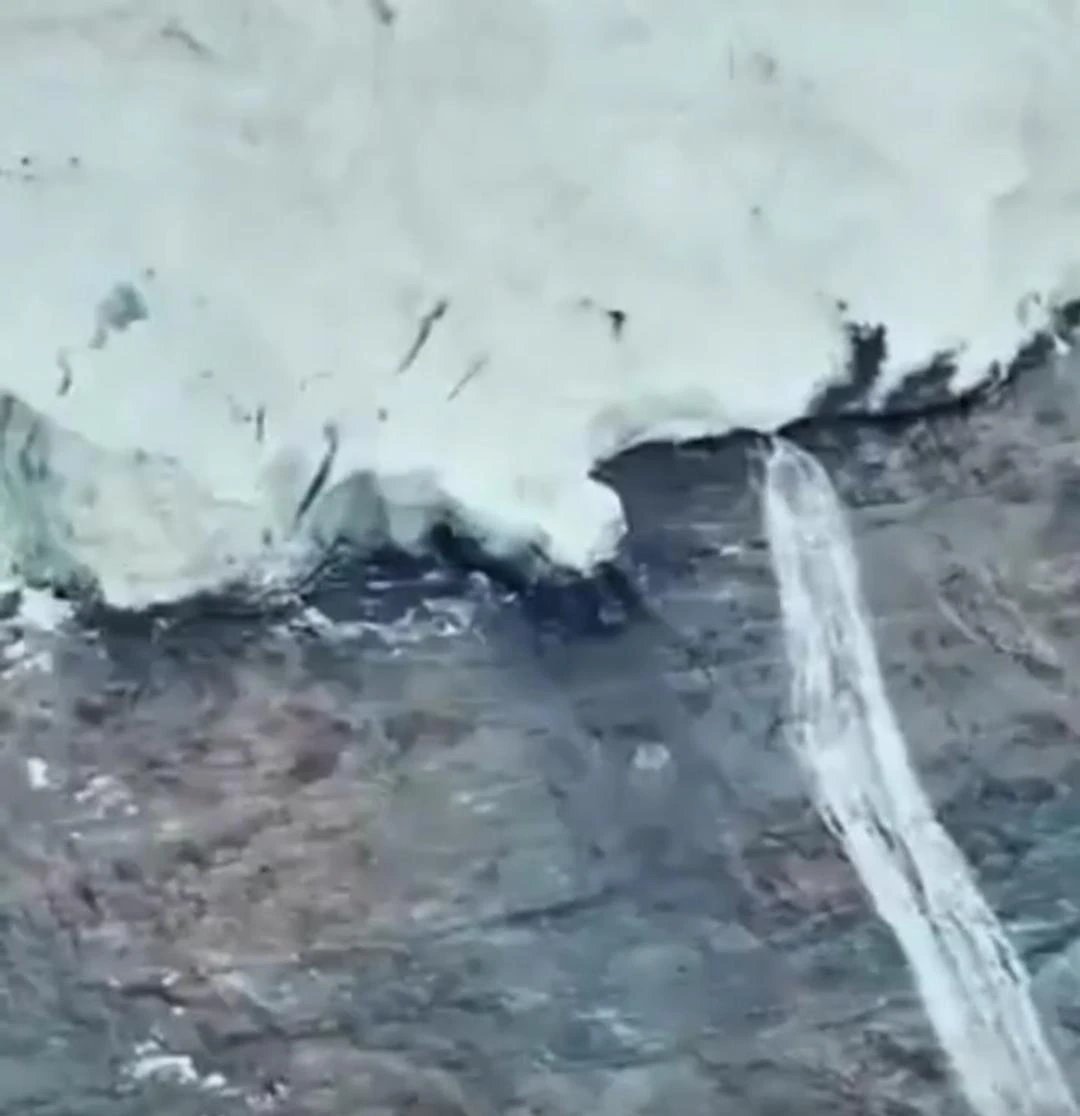
China's Ministry of Water Resources warned that cracks in a glacier above the Kuoqiang River are widening dangerously, raising the risk of collapse. A large ice mass hangs over a gorge and could fall at any moment, threatening new floods downstream in Nepal. The warning comes after the Aug. 26 disaster that killed over 1,200 people.
Key Facts
- China's Ministry of Water Resources reported that cracks in the front of the glacier in the upper reaches of the Kuoqiang River are widening to a dangerous level.
- A large ice mass hangs over the gorge and could collapse at any moment.
- Rainfall of 10–30 mm is forecast for Sept. 4–6, which could further erode unstable slopes.
- If the glacier collapses into the lake basin, it could block the river and trigger a new, more powerful debris flow.
- The Aug. 26 disaster killed more than 1,200 people, and over 4,200 missing-person reports were filed.
Glacier Threat
China's Ministry of Water Resources reported that cracks in the front of the glacier in the upper reaches of the Kuoqiang River are widening to a dangerous level. A large ice mass hangs over the gorge and could collapse at any moment. The river channel near the Chungchung-Tso barrier lake, which formed on Aug. 26, remains stable. Rainfall of 10–30 mm is forecast for Sept. 4–6, which could further erode unstable slopes and worsen the situation.
Flood Risk
If the glacier collapses into the lake basin, it could block the river and trigger a new, more powerful debris flow. This would threaten settlements in Nepal located downstream. Chinese authorities are sending hydrological data to Nepalese rescuers around the clock.
Aug. 26 Aftermath
The Aug. 26 disaster killed more than 1,200 people, and over 4,200 missing-person reports were filed. On Sept. 3, two workers were rescued from the flooded tunnel of the Trishuli 3A hydropower station, having survived nine days after the disaster.
2 sources
Time · lag behind first