
Japan Allocates $282M for Stand-Off Electronic Warfare Aircraft in FY2027
This digest was compiled by AI from multiple sources — links to the originals are below.
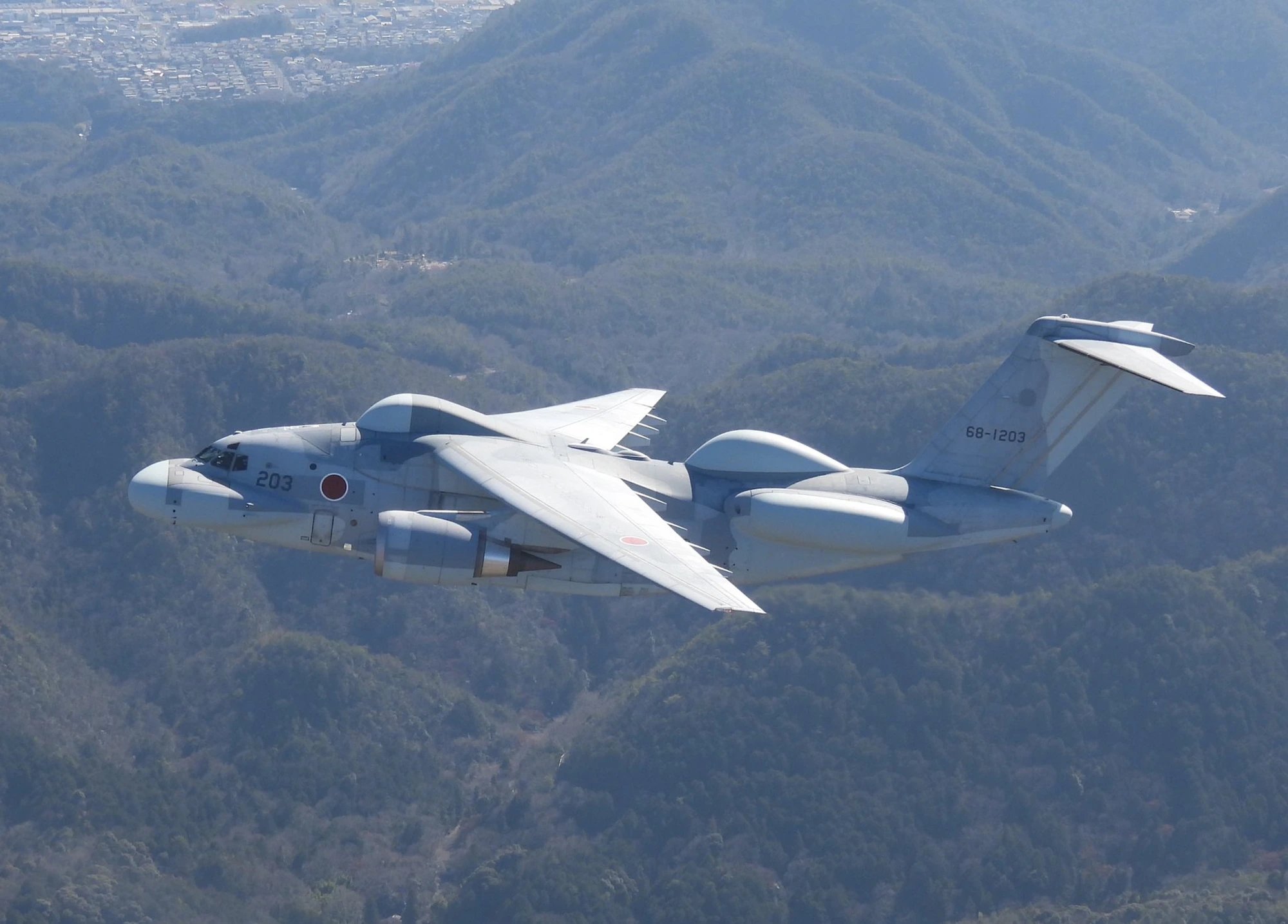
Japan's Ministry of Defense allocated ¥44 billion ($282 million) for the second phase of its stand-off electronic warfare aircraft program in the FY2027 budget request released August 31, 2026. The aircraft is designed to jam enemy radars from outside air-defense zones, improving survivability for F-35 fighters and stand-off weapons. The investment comes as China expands its Pacific naval operations and advanced surface-to-air missile inventory.
Key Facts
- Japan's FY2027 defense budget request, released August 31, 2026, allocates ¥44 billion ($282 million) for the second phase of the stand-off electronic warfare aircraft program.
- The Japan Air Self-Defense Force assigned its first stand-off electronic warfare aircraft to the Air Development and Test Wing in June 2026.
- China operates one of the world's largest inventories of advanced long-range surface-to-air missile systems, including the HQ-9 family, S-300, and S-400.
Program Funding
The Ministry of Defense's FY2027 budget request, released on August 31, 2026, includes ¥44 billion ($282 million) for the second phase of the stand-off electronic warfare aircraft program. The request also includes additional unspecified requirements for the program. Tokyo describes electromagnetic-spectrum superiority as increasingly important across air, maritime, land, space, and cyber operations.
Operational Role
The aircraft is designed to jam hostile radars from outside air-defense engagement zones, opening temporary corridors for manned aircraft and stand-off weapons. It could interfere with surveillance and fire-control radars, complicate target tracking, and reduce information quality between sensors, command centers, and missile batteries. The Japan Air Self-Defense Force assigned its first stand-off electronic warfare aircraft to the Air Development and Test Wing in June 2026.
Regional Context
China has built one of the world's largest inventories of advanced long-range surface-to-air missile systems, including the HQ-9 family, Russian-origin S-300 systems, and the S-400. Beijing continues developing a multilayered network combining aircraft, sensors, and missiles. The capability would strengthen Japan's role in combined U.S.-Japan operations across the Western Pacific, where electronic warfare is increasingly important for penetrating dense anti-access and air-defense networks.
1 source
Time · lag behind first