
Philippine peso hits record low of 62.71 per dollar amid oil shock and fiscal strain
This digest was compiled by AI from multiple sources — links to the originals are below.
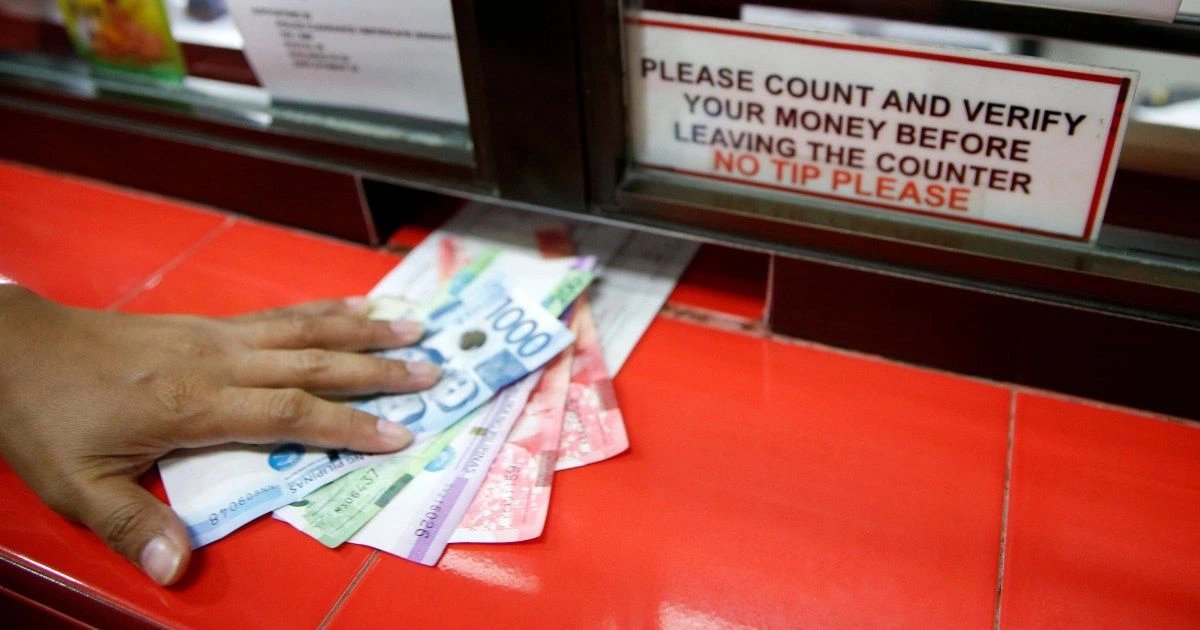
The Philippine peso closed at a record low of 62.71 per US dollar on Friday, extending a slide that has cut its value by about 6 percent since January 1. The currency has weakened as rising oil prices after the Iran war and higher US Treasury yields draw capital away from emerging markets. The depreciation is squeezing household budgets even as it makes Philippine exports cheaper abroad.
Key Facts
- The peso hit an all-time low of 62.71 to the US dollar on Friday, after closing at 62.565 on Wednesday.
- The currency has lost about 6 percent of its value against the dollar since January 1.
- The peso previously fell to a record low of 61.847 on July 24 and then to 62.265 last Friday.
- The Philippines declared a state of national emergency in March after Iran's shutdown of the Strait of Hormuz disrupted oil supplies.
- Philip McNicholas, Asia sovereign strategist at Robeco Singapore, attributed the peso's weakness to large fiscal and current account deficits and elevated inflation.
Currency Depreciation
The peso has been on a downward trajectory since the start of the year, losing about 6 percent of its value against the US dollar since January 1. The currency broke several records over the past few months amid rising oil prices and other negative headwinds from the US-Israel war on Iran. The peso hit a record low of 61.847 to the US dollar on July 24, before falling further to 62.265 last Friday. The peso continued its slide this week, closing at 62.565 on Wednesday and sinking to 62.71 on Friday.
Drivers of Weakness
Before the war, the Philippines imported almost all its oil from the Gulf, and in March Manila declared a state of national emergency when Iran's shutdown of the Strait of Hormuz disrupted supplies. As oil prices have risen, Philippine importers have had to convert more pesos for US dollars to buy dollar-priced crude, driving down the value of the local currency. Rising yields of US Treasury Bonds have encouraged international investors to trade the currencies of developing economies for safer dollar-denominated assets, pushing the peso lower. The Philippines' strained public finances and large trade deficit have exacerbated these downward pressures. Philip McNicholas, Asia sovereign strategist at Robeco Singapore, said the peso's weakness stems largely from the large twin fiscal and current account deficits the economy is running, combined with elevated inflation that the central bank, the BSP, is trying to tackle.
Economic Impact
Currency depreciation is not inherently negative, but it typically benefits exporters at the expense of consumers. A weaker currency means firms can sell their products overseas more cheaply, but also that households pay more for imported goods.
1 source
Time · lag behind first