
Kyzylorda court sentences man to 20 years for murder of 16-year-old girl
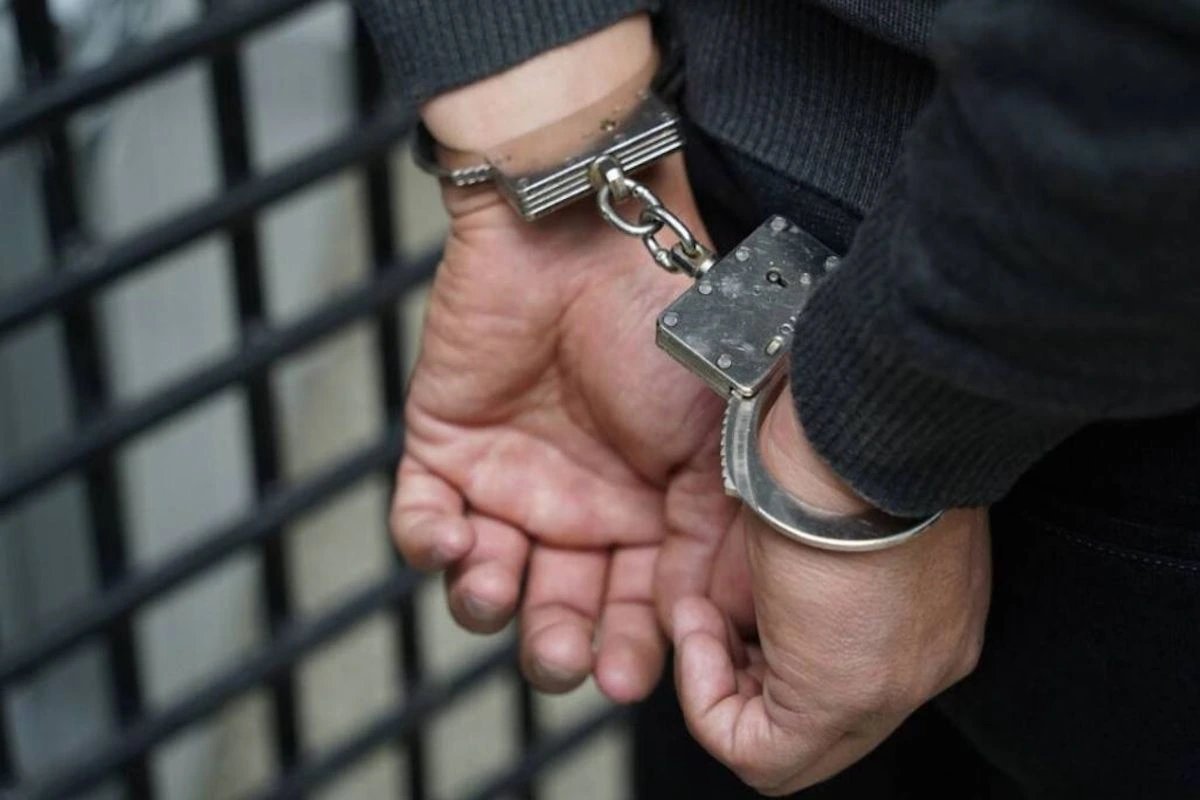
This digest was compiled by AI from multiple sources — links to the originals are below.
A court in Kazakhstan's Kyzylorda region sentenced a 22-year-old man to 20 years in prison for the murder of 16-year-old Balsulu Omirzak. The man strangled the girl and dumped her body in a canal in June 2026. He was also ordered to pay 10 million tenge in moral damages.
Key Facts
- The Specialized Interdistrict Criminal Court of Kyzylorda Region sentenced a 22-year-old man to 20 years in a medium-security penal colony.
- The victim, 16-year-old Balsulu Omirzak, disappeared on June 2, 2026, and her body was found the next day in the Zhakhaev Canal with a wire around her neck.
- The court ordered the convicted man to pay 10 million tenge in moral damages and 2,162 tenge in state duty.
- The man was convicted under Article 99, Part 2, Clause 14 of Kazakhstan's Criminal Code — murder of a knowingly minor.
- The convicted man had a prior criminal record and admitted guilt in his final statement, asking forgiveness from the victim's family.
The Crime
In June 2026, 16-year-old Balsulu Omirzak left her home in Shieli District, telling relatives she was going to a friend's house. Her body was found the next day in the Zhakhaev Canal with a wire wrapped around her neck. The 22-year-old suspect, who was married at the time, had met the girl through social media. He drove her to the canal, where a conflict occurred, and he strangled her before throwing her body into the water.
The Verdict
The Specialized Interdistrict Criminal Court of Kyzylorda Region found the man guilty under Article 99, Part 2, Clause 14 of the Criminal Code. Prosecutor requested a 20-year prison sentence, and the court imposed exactly that term in a medium-security penal institution. The court also ordered the convict to pay 10 million tenge in moral damages and 2,162 tenge in state duty. The verdict has not yet entered into legal force.
Investigation and Admission
Police detained the suspect shortly after the crime, and investigators found he had a prior criminal record. Evidence included his confession, witness testimony, expert conclusions, video recordings, and material evidence. In his final statement, the defendant admitted guilt and asked forgiveness from the victim's family.
4 sources
Time · lag behind first