
US midterms loom as Trump advisers seek to contain Iran war before November 3 vote
This digest was compiled by AI from multiple sources — links to the originals are below.
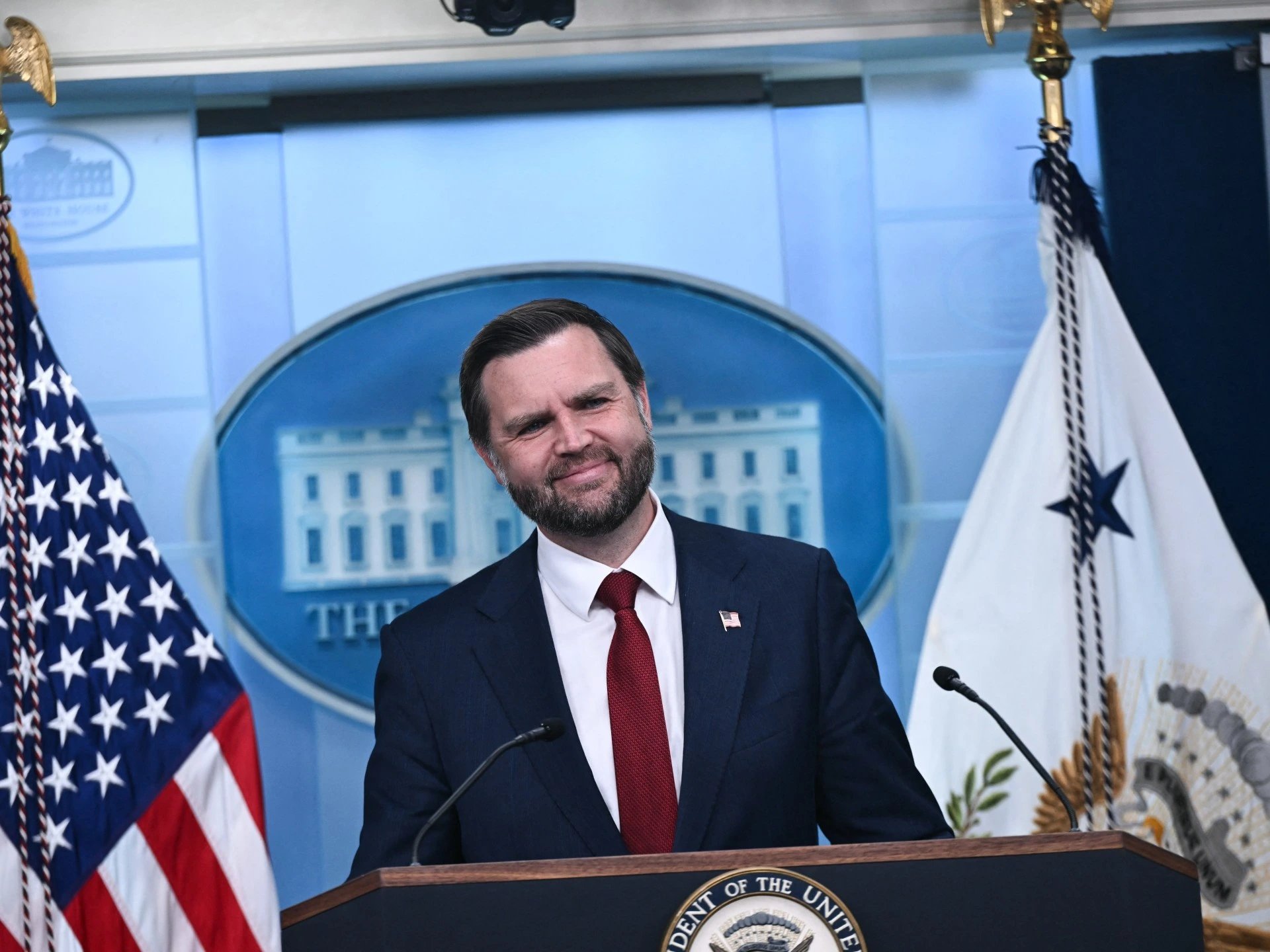
Senior advisers to President Donald Trump are working to prevent the US-Iran conflict from escalating into all-out war before the November 3 midterm elections, when Republicans defend narrow majorities in both houses of Congress. Washington is shifting toward economic pressure, including August sanctions on 60 entities and a naval blockade of Iranian ports, while Vice President JD Vance downplays the war. US forces continue to strike Iran, and Vance said this week that "everything that could happen is on the table."
Key Facts
- The US midterm elections are scheduled for November 3, with Republicans defending narrow majorities in both houses of Congress.
- In August, the Trump administration imposed sanctions on 60 entities it says facilitate oil revenues for trade with Iran.
- A late-August Reuters/Ipsos poll showed 31 percent of Americans support the war, while 63 percent oppose it.
- Trump's approval rating fell from 40 percent to 33 percent after the outbreak of hostilities, according to Reuters/Ipsos polling.
- Vice President JD Vance said this week that "everything that could happen is on the table," including economic, military, diplomatic and covert pressure.
Midterm Election Pressure
The November 3 midterm elections will determine whether the Republican Party retains its narrow control of Congress. Senior advisers to President Donald Trump are seeking to prevent the conflict from returning to all-out war before the polls. A late-August Reuters/Ipsos poll indicated that just 31 percent of Americans support the war, compared with 63 percent who oppose it. Trump's approval rating has fallen from 40 percent to 33 percent since the outbreak of hostilities, according to Reuters/Ipsos polling.
Economic Pressure Campaign
In August, the Trump administration announced its "Economic D-Day," imposing sanctions on 60 entities that it says facilitate oil revenues for trade with Iran. The US naval blockade of Iranian ports in and around the Strait of Hormuz continues to exert pressure on Tehran's oil exports. Vice President JD Vance has sought to downplay the war, which the US and Israel launched with attacks on Iran on February 28.
Military Restraint Limits
US forces continue to strike Iran in recent days, and US leaders insist that further military action remains an option. Vance said this week that "everything that could happen is on the table," including economic, military, diplomatic and covert pressure. Washington will want to avoid an all-out war while ratcheting up economic pressure, but Iran has its own calculations and could respond militarily anyway.
1 source
Time · lag behind first