
Caspian trade corridors face security and water threats
This digest was compiled by AI from multiple sources — links to the originals are below.
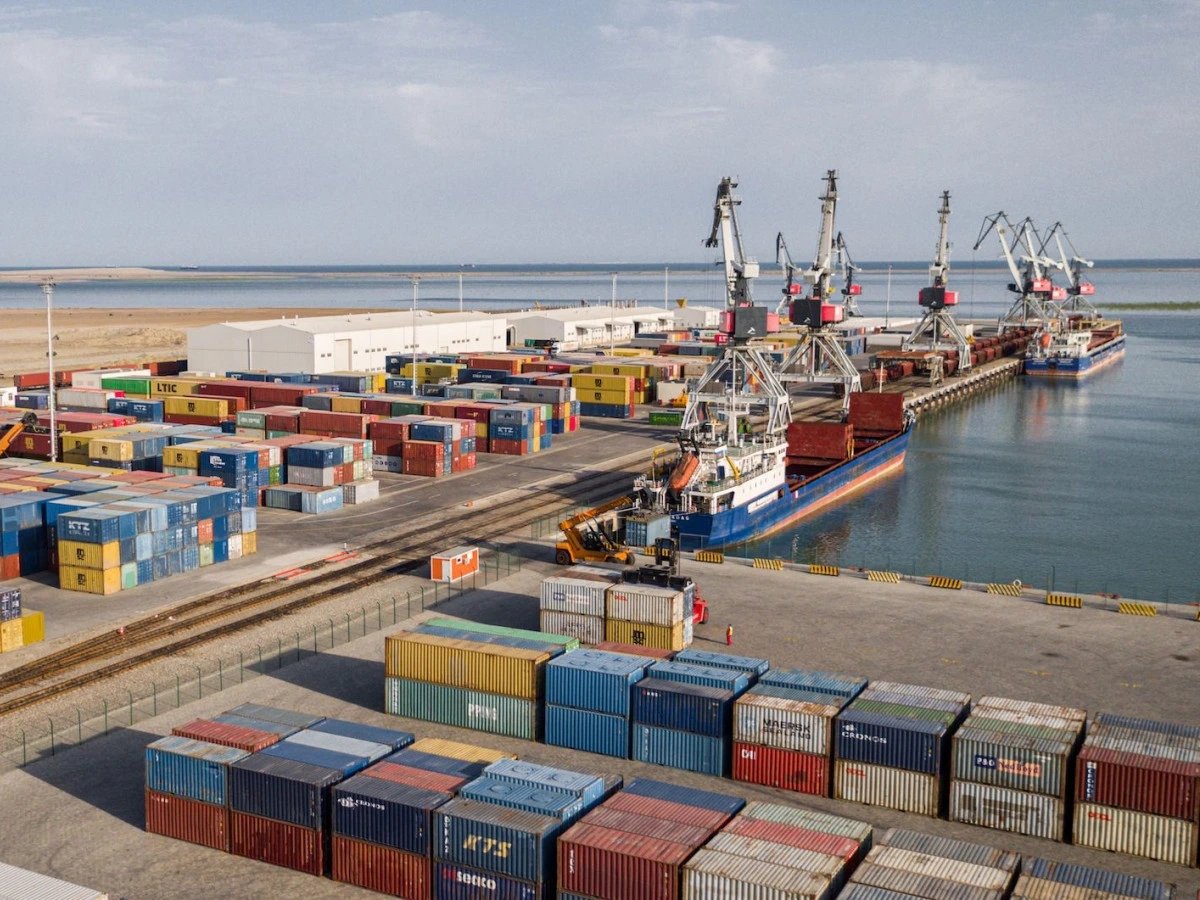
The Trans-Caspian International Transport Route and the International North-South Transport Corridor face physical security threats and declining water levels. Israel targeted Iranian naval assets in the Caspian Sea in March 2026, and Ukraine attacked Iranian military shipments in July. The World Bank says trade along the Middle Corridor could triple by 2030 if ten priority actions are taken immediately.
Key Facts
- The Middle Corridor provides 4,250 kilometers of rail lines and 500 kilometers of sea connections between Europe and Central Asia.
- The proposed International North-South Transport Corridor would span 7,200 kilometers and connect Russia to the Persian Gulf via the Caucasus, the Caspian Sea, and India.
- The Caspian Sea water level declined to a new low in 2026, with Russia damming the Volga River, which accounts for approximately 80 percent of the Caspian's water.
- Kazakhstan declared the dropping water level a state of emergency in 2023.
- The World Bank argues that trade along the Middle Corridor could triple by 2030 if ten priority actions are taken immediately.
Security Threats
Until March 2026, the primary threats to developing trade corridors across the Caspian Sea seemed to be inadequate infrastructure and falling water levels. Then Israel targeted Iranian naval assets in the sea, followed in July by a Ukrainian attack on Iranian military shipments in the waterway. Conflict in the Caspian Sea has made it clear that physical maritime security is essential to making the east-west route a viable, reliable alternative conduit for critical resources.
Infrastructure and Water Challenges
The Middle Corridor will potentially connect further to China via a new rail line through Uzbekistan and Kyrgyzstan and link Armenia and Azerbaijan through the 42-kilometer Zangezur Corridor thanks to the U.S.-sponsored TRIPP deal. The declining water level of the Caspian Sea exacerbates these challenges, with Kazakhstan's Ministry of Natural Resources attributing the shallowing and retreat of the Caspian Sea to climate change. Dredging is a short-term, and expensive, solution and ferry transport – crucial for exports of critical minerals from Central Asia – already has been reduced along some routes. The fossil fuel and maritime industries that the Middle Corridor states depend on further contribute to the Caspian Sea's shallowing.
Geopolitical Headwinds
Russia and Iran have historically blocked Caspian pipeline projects that dilute their own leverage on fossil fuel exports. The International North-South Transport Corridor has gained new life due to Russia's need for alternative routes since the full-scale war in Ukraine and India's interest in a route to the Arctic circumventing China.
1 source
Time · lag behind first