
Mirziyoyev criticizes poverty reduction results in 159 districts and cities
This digest was compiled by AI from multiple sources — links to the originals are below.
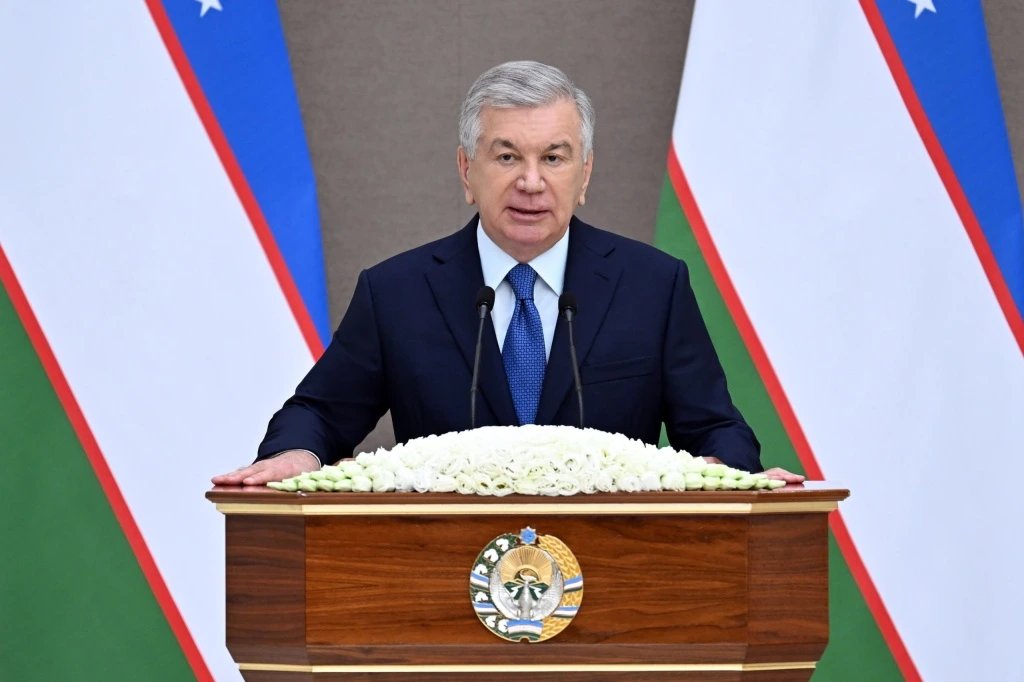
President Shavkat Mirziyoyev criticized insufficient poverty reduction results in 159 districts and cities of Uzbekistan. Since the start of the year, the number of people in need has fallen from 2.2 million to 1.5 million. He highlighted that 49 districts and 3,429 mahallas are becoming free of unemployment and poverty, while results in the remaining areas were deemed inadequate.
Key Facts
- The number of people in need in Uzbekistan decreased from 2.2 million to 1.5 million since the beginning of the year.
- Over the past three years, 314 trillion soums in credit resources were allocated to entrepreneurial projects in mahallas.
- In the first half of the year, the poverty and unemployment rate in Uzbekistan fell to 4.5%.
- 86,000 small enterprises were created in the regions over the past year, but 15,000 (17%) have already ceased operations.
- Sharof-Rashidov and Karshi districts each received 2.3 trillion soums, but Sharof-Rashidov lifted 30,000 people out of poverty compared to 13,000 in Karshi.
Poverty Reduction Results
President Shavkat Mirziyoyev criticized the insufficient results of poverty reduction efforts in 159 districts and cities of Uzbekistan. Since the beginning of the year, the number of people in need has decreased from 2.2 million to 1.5 million. 49 districts and 3,429 mahallas are gradually becoming territories free from unemployment and poverty. In the remaining 159 districts and cities and 5,536 mahallas, results were deemed insufficient.
Credit Efficiency Disparities
Over the past three years, 314 trillion soums in credit resources were directed to entrepreneurial projects in mahallas. The impact of lending on poverty reduction is not felt equally in all districts, Mirziyoyev stated at a meeting on September 3. Sharof-Rashidov and Karshi districts each received 2.3 trillion soums, but Sharof-Rashidov lifted 30,000 people out of poverty at an average cost of 78 million soums per person, while Karshi lifted 13,000 at 176 million soums per person. Kamashi and Pskent districts each received 1.1 trillion soums, but Kamashi lifted 28,000 people out of poverty compared to only 4,500 in Pskent, where about 250 million soums in credit was spent per person.
Business Failures and Debt
Over the past year, 86,000 small enterprises were created in the regions, but 15,000 of them, or 17%, have already ceased operations. Another 62,000 citizens who received bank loans were unable to establish a business and are experiencing difficulties repaying their debts. Mirziyoyev noted that all regions were given equal powers, resources, and opportunities, but the effectiveness of their use varies significantly.
3 sources
Time · lag behind first