
Ancient stromatolites reveal microbe partnership linked to complex life origins
This digest was compiled by AI from multiple sources — links to the originals are below.
Researchers at UNSW Sydney discovered a previously unknown Asgard archaeon living in close association with a bacterium inside stromatolites from Shark Bay, Western Australia. The study, published in Current Biology, provides the first visual evidence of an Asgard archaeon physically interacting with a bacterium through nanotube connections. The finding offers a potential model for how early partnerships between microbes may have led to the emergence of complex life.
Key Facts
- The study was published in Current Biology and involved researchers from UNSW Sydney, University of Technology Sydney, and The University of Melbourne.
- Samples were collected from Shark Bay, a World Heritage-listed site in Western Australia.
- The researchers isolated a member of the Asgard archaea, a group believed to be closely related to the ancestors of eukaryotes.
- The Asgard archaeon was observed physically interacting with a bacterium through extremely thin, tube-like connections called nanotubes.
- It took four or five years of laboratory work to grow the elusive microbe for direct study.
Microbial Partnership Discovery
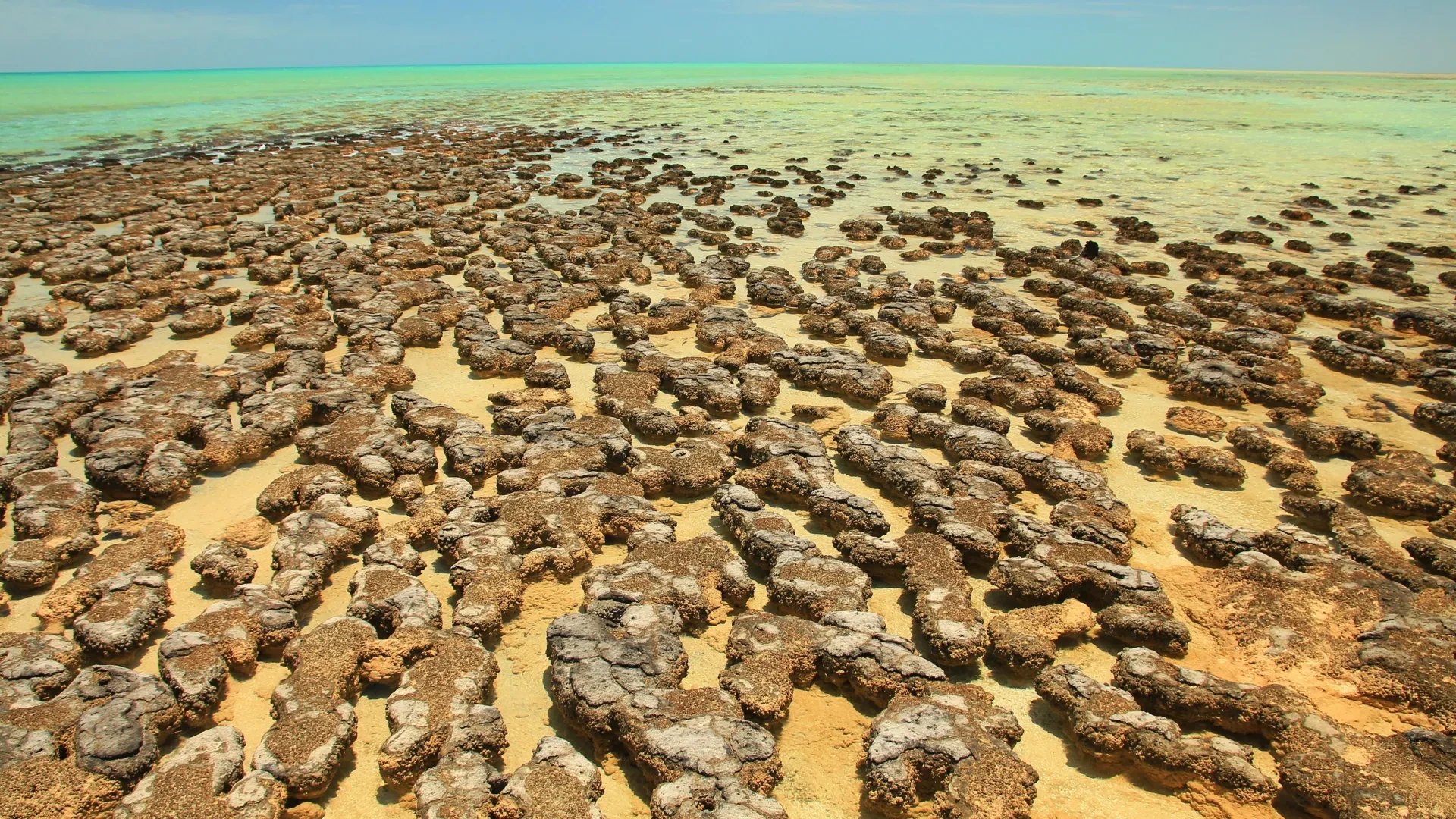
Stromatolites and microbial mats first appeared billions of years ago but still form today in Shark Bay, Western Australia. Samples collected there led researchers to isolate a member of the Asgard archaea, an unusual group of microbes believed to be closely related to the ancestors of eukaryotes. The new research provides the first visual evidence of an Asgard archaeon physically interacting with a bacterium through extremely thin, tube-like connections called nanotubes. Associate Professor Brendan Burns of UNSW Sydney said this could be a little model for how such partnerships started and ultimately formed eukaryotes.
Laboratory Cultivation Challenge
Genetic sequencing showed the organisms' DNA was present in the samples, but growing the microbes in the laboratory proved far more difficult. It took four or five years in the lab, with Burns describing the process as a lot of time optimizing and chasing different shadows. Asgard archaea are notoriously challenging to cultivate away from their natural habitats.
1 source
Time · lag behind first