
Harvard team keeps human brain organoids alive in dish for seven years
This digest was compiled by AI from multiple sources — links to the originals are below.
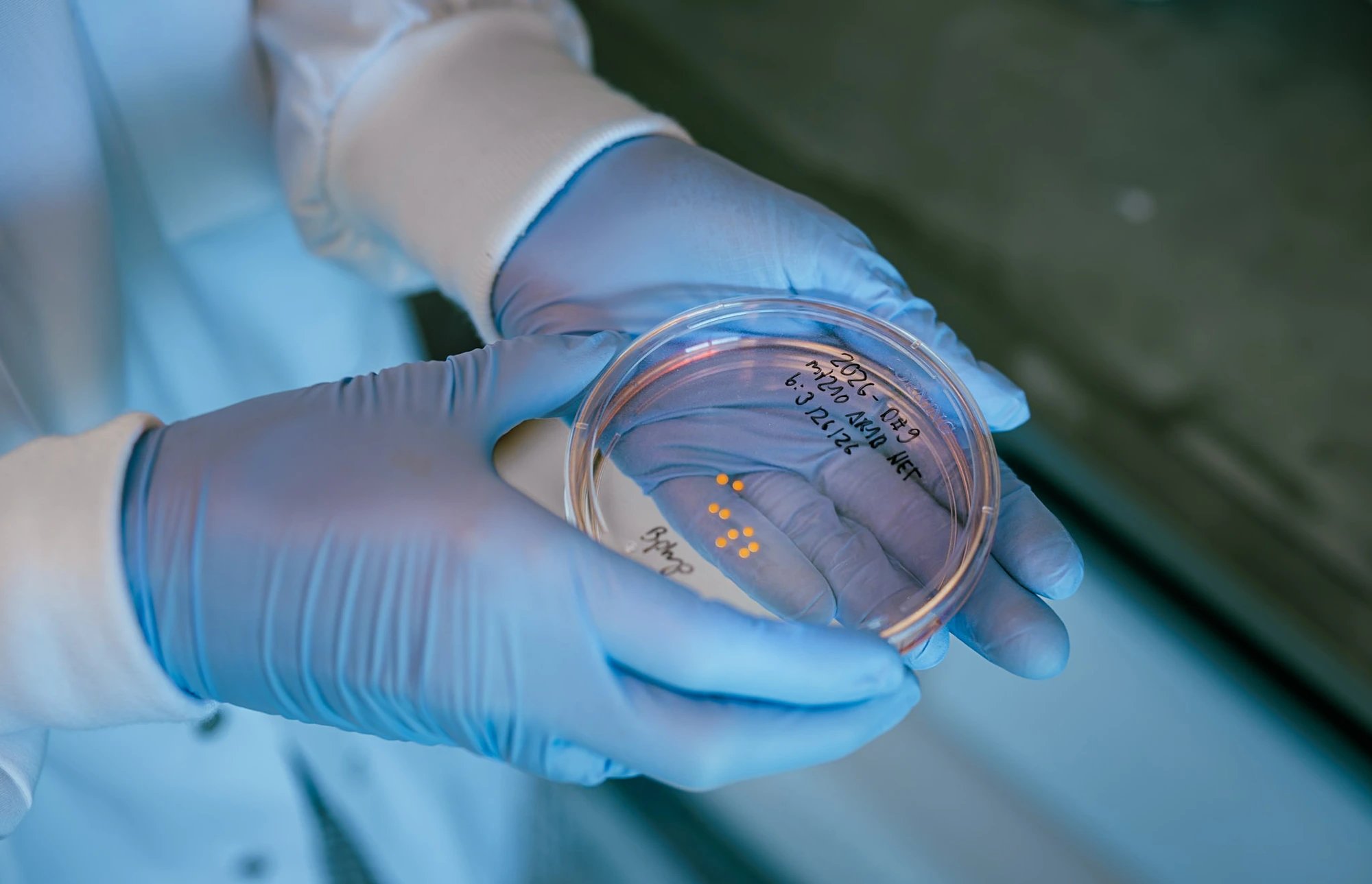
Harvard neuroscientists have kept peppercorn-sized human brain organoids alive in a dish for more than five years, with the oldest now seven. The team led by Paola Arlotta reported the record in Nature on 19 August 2026, tripling the previous longevity mark of 694 days set in 2021. The organoids each hold over a million cortical cells and have followed a human developmental clock through gene-expression stages.
Key Facts
- The oldest Harvard organoids are seven years old and each contains more than a million cortical cells.
- The previous longevity record for brain organoids was 694 days, set in 2021 by a UCLA and Stanford team.
- The Harvard team used a modified BrainPhys medium with lower glucose and a glutamine-stabilising compound to keep neurons alive.
- Within nine months of the medium change, neuron counts rose and synapses grew denser.
The Organoids
Each organoid began as a blood draw from a living donor, with blood cells reprogrammed into induced pluripotent stem cells. The cells were coaxed down a neural pathway and self-assembled into layered structures resembling parts of the cerebral cortex. The organoids have no vasculature, thalamus, brainstem, or sensory input, making them a simplified model rather than a miniature mind. After a year, their gene-activity profiles resemble those of a newborn, and they contain recognisable cortical regions, glia, and networks of firing neurons.
Breaking the Longevity Barrier
Earlier culture recipes typically hit a wall inside two years because neurons are prone to metabolic stress and starvation outside a living body. Arlotta's own long cultures saw neuronal signal drop around the one-year mark, with neurons suffering even as the organoid matured. The team moved the organoids into a modified BrainPhys medium with lower glucose and physiological ion concentrations, adding a compound that stabilises glutamine as an auxiliary energy source. The medium permits spontaneous firing, which kept the neurons alive, and within nine months neuron counts rose and synapses grew denser.
1 source
Time · lag behind first