
Witness says Astana building where paramedic Uldana Myrzuan died now in critical condition
This digest was compiled by AI from multiple sources — links to the originals are below.
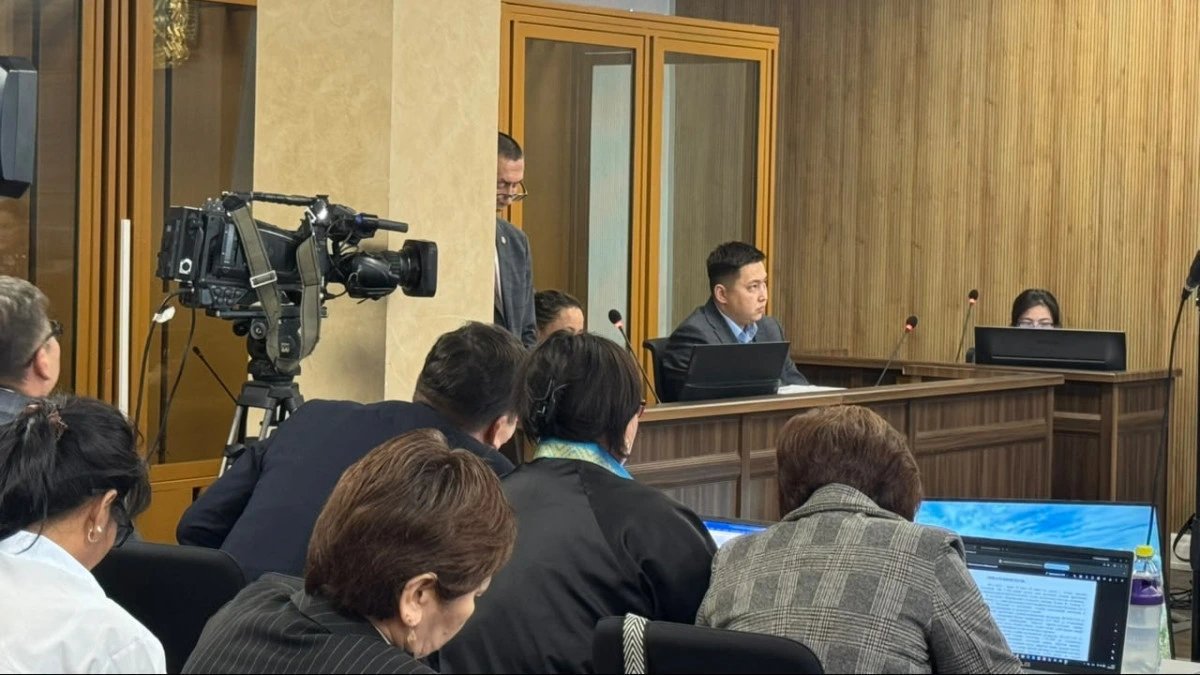
A witness in the criminal trial over the death of paramedic Uldana Myrzuan testified on September 3 that the Astana residential building where she was fatally injured is now in critical condition. Resident Konstantin Kostenko said new cracks appeared in ceilings and walls after the November 8, 2025 facade collapse, prompting residents to call emergency services on August 29. He estimated repair costs at 500 million to 1 billion tenge, which residents cannot afford.
Key Facts
- Konstantin Kostenko testified on September 3, 2026, that the building where Uldana Myrzuan was fatally injured is in critical condition.
- Residents called emergency services on August 29 after discovering new cracks in ceilings and walls.
- Preliminary repair costs are estimated at 500 million to 1 billion tenge.
- Residents were not shown the 2017 technical inspection report before the November 8, 2025 collapse.
- Industrial climber Stanislav Timush repaired part of the facade in 2021 after being contacted by building chairwoman Akhmetova.
Building Condition
Konstantin Kostenko, a resident and technical specialist on the building council, described the current state of the building as critical during the September 3 court session. He said new defects appeared after the November 8, 2025 incident, including cracks in ceiling coverings on the fifth floor. On August 29, residents noticed cracks in some parts of the building's coverings and called the Emergency Situations Service. Emergency services, ambulance, and akimat representatives arrived at the scene, according to Kostenko.
Repair Cost Burden
Kostenko said preliminary repair costs were estimated at 500 million to 1 billion tenge. He stated that even if the sum were divided among residents at 15-16 million tenge each, no one could bear it. Residents have repeatedly approached the district akimat and sent official letters to state bodies about the building's condition.
Prior Inspections
Kostenko testified that before the November 8, 2025 incident, facade repair was not discussed at general residents' meetings or in the building chat. Residents were not familiar with the 2017 technical inspection report, he said. Industrial climber Stanislav Timush, who repaired part of the facade in 2021, said he was contacted by building chairwoman Akhmetova about cracks that needed plastering. Timush said some cracks were likely caused by building settlement, and in places the brick could be pulled out by hand.
2 sources
Time · lag behind first