
Tokayev reappoints Dauren Kosanov as Kazakhstan's defense minister
This digest was compiled by AI from multiple sources — links to the originals are below.
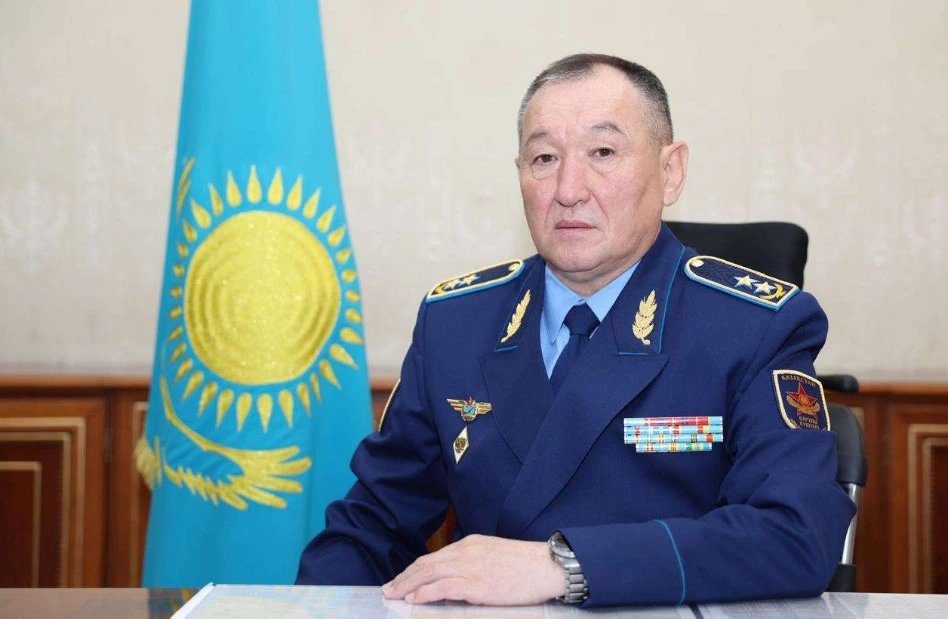
Kazakh President Kassym-Jomart Tokayev signed a decree on September 3, 2026, reappointing Dauren Kosanov as defense minister. Kosanov, a career air force officer, has held the post since June 8, 2025. The reappointment follows the government's resignation on August 28 after the election of the new Kurultai.
Key Facts
- President Kassym-Jomart Tokayev signed the reappointment decree on September 3, 2026.
- Dauren Kosanov first became defense minister on June 8, 2025.
- Kosanov was born on October 14, 1969, in Pavlodar Region.
- He graduated from the Armavir Higher Military Aviation School for Pilots in 1990.
- The government resigned on August 28, 2026, following the election of the new Kurultai.
The Appointment
President Kassym-Jomart Tokayev signed a decree on September 3, 2026, reappointing Dauren Kosanov as Minister of Defense of Kazakhstan. The decree was published on the official website of the President of Kazakhstan and announced via the Akorda Telegram channel. Kosanov has held the post since June 8, 2025, when he was first appointed by presidential decree. The reappointment follows the government's resignation on August 28, 2026, after the election of the new Kurultai.
Military Career
Dauren Kosanov was born on October 14, 1969, in Pavlodar Region. He graduated from the Armavir Higher Military Aviation School for Pilots in 1990, the Yuri Gagarin Air Force Academy in 2005, and the Military Academy of the General Staff of the Russian Armed Forces in 2013. Kosanov began his service as a fighter pilot in the Usharal Fighter Regiment and later commanded air bases in Taldykorgan and Shymkent. From December 2022 to September 2024, he served as Commander-in-Chief of the Air Defense Forces of Kazakhstan. He holds the military rank of Lieutenant General of Aviation.
Defense Priorities
Under Kosanov, the Ministry of Defense has identified military aviation, air defense, special operations forces, radio-technical reconnaissance, electronic warfare, and unmanned systems as priority areas. The ministry has also announced the introduction of digital solutions, artificial intelligence, autonomous control systems, and the development of a cyber component for national defense.