
CIA Director Ratcliffe Visits Moscow Amid Escalating Russia-Ukraine Strikes
This digest was compiled by AI from multiple sources — links to the originals are below.
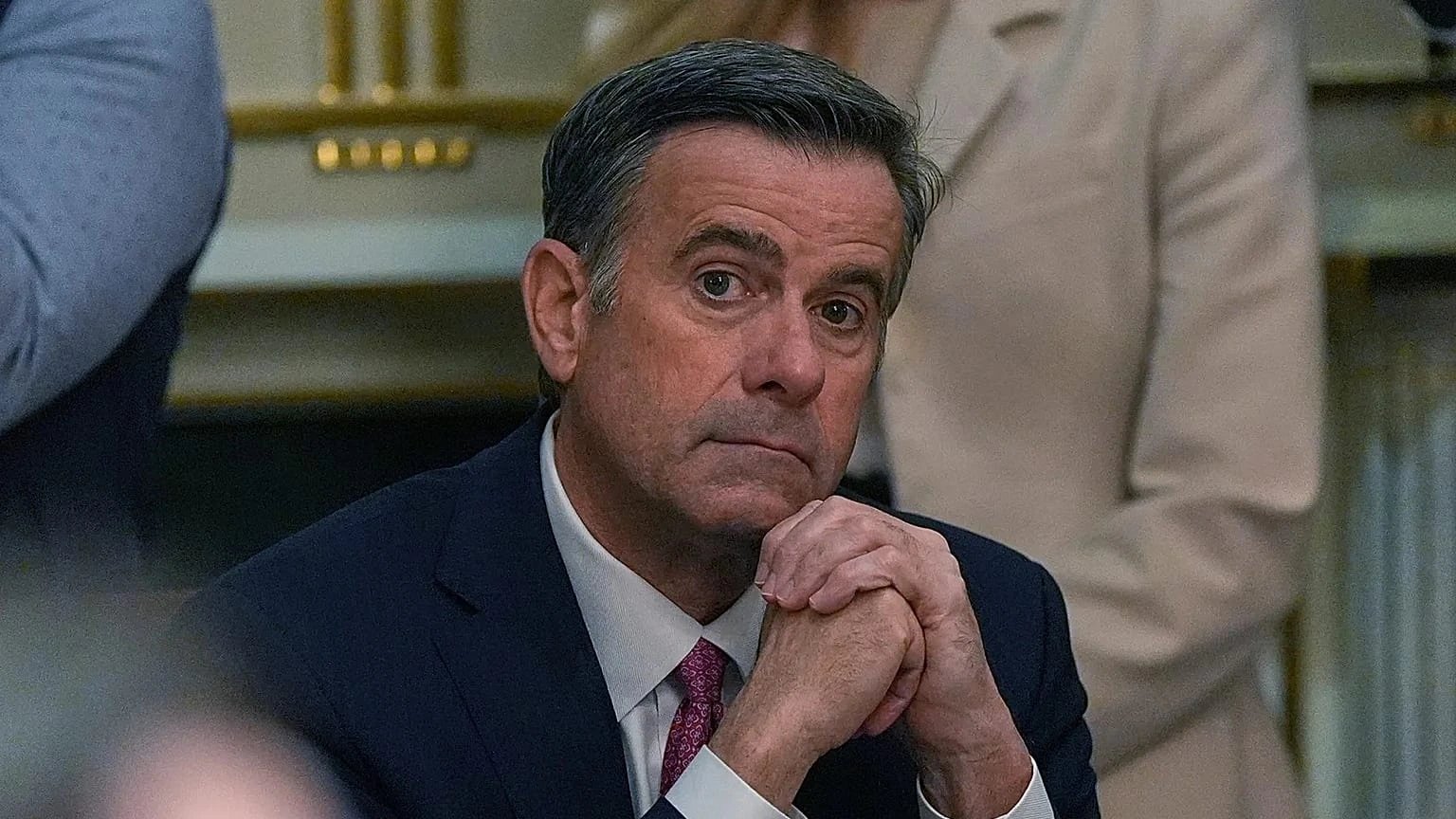
CIA Director John Ratcliffe made an unannounced visit to Moscow in early September 2026, with both sides describing it as a routine intelligence contact. The visit coincided with intensified Russian and Ukrainian strikes on logistics and energy infrastructure, and with a Vatican envoy's trip to Moscow. India called for an end to the 'endless war' even as both sides escalated attacks ahead of winter.
Key Facts
- CIA Director John Ratcliffe visited Moscow in early September 2026, with both sides framing the trip as a routine intelligence contact.
- Russia and Ukraine intensified strikes on logistics centers and critical infrastructure, with damage increasing ahead of the autumn-winter period.
- A Vatican envoy visited Moscow almost simultaneously with Ratcliffe's trip.
- India called for moving from an 'endless war to the end of war'.
- Russia is scaling up drone production, narrowing the technological gap with Ukraine.
Ratcliffe's Moscow Visit
CIA Director John Ratcliffe made an unannounced visit to Moscow in early September 2026. Both sides described the trip as a routine intelligence contact. Multiple theories surrounded the visit, ranging from discussions of possible escalation to attempts to bring Russia back to negotiations. Reports of a possible trilateral summit between Russia, the United States, and Ukraine added to the intrigue. A Vatican envoy visited Moscow almost simultaneously with Ratcliffe.
Escalation and Infrastructure Strikes
Russia and Ukraine intensified strikes on logistics centers and critical infrastructure. Russia's advantages lie in ballistic missiles and jet-powered drones, while Ukraine's strengths are drones capable of operating at various ranges. Strikes on rear areas are occurring more frequently, and damage is noticeably increasing. With the approach of the autumn-winter period, the escalation is becoming increasingly sensitive for both sides. In previous years, Ukraine was in a more difficult position.
Diplomatic Signals
India called for moving from an 'endless war to the end of war'. Moscow and Kyiv continued to make hardline statements. Russia is scaling up drone production, and the previous technological gap between the countries is gradually narrowing. Even a possible advance toward Sloviansk and Kramatorsk would not by itself solve Moscow's main political tasks: lifting sanctions and normalizing relations with the West.
1 source
Time · lag behind first