
Rabies spreads among Cape fur seals in South Africa and Namibia
This digest was compiled by AI from multiple sources — links to the originals are below.
Rabies has been confirmed in more than 100 Cape fur seals in South Africa and Namibia as of September 2026. The virus is now considered a permanent threat that must be managed long-term, with no other marine mammal species affected so far.
Key Facts
- More than 100 confirmed rabies cases in Cape fur seals were recorded in South Africa and Namibia by September 2026.
- Between May 2024 and January 2025, 39 rabies cases were confirmed in Western Cape and 16 in Northern Cape.
- The first rabies case in Eastern Cape was detected in June 2025.
- Genetic analysis links the seal rabies virus to a canid origin, possibly a black-backed jackal bite on the Namibian coast.
- Since September 2021, 135 aggressive seal incidents toward humans were recorded in Cape Town, with 73 bites.
Outbreak Timeline
Rabies was first suspected in Cape fur seals after aggressive behavior toward humans was reported in Cape Town starting September 2021. Between May 2024 and January 2025, 39 cases were confirmed in Western Cape and 16 in Northern Cape. The first Eastern Cape case was detected in June 2025. Retesting of older samples suggests the virus may have been present in seals since at least 2021.
Transmission and Origin
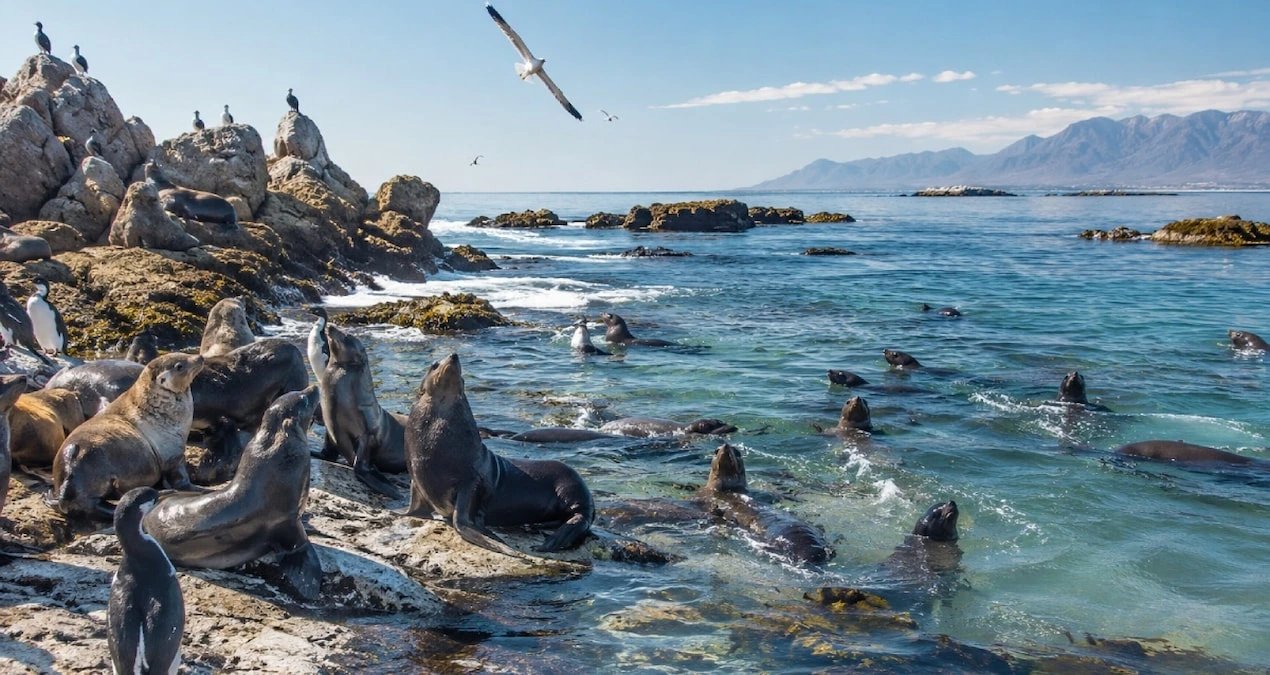
Genetic analysis indicates the seal rabies virus originated from a canid source. Researchers consider a black-backed jackal bite on the Namibian coast a likely route of introduction. Cape fur seals form dense colonies where biting and physical contact facilitate viral spread. Advanced rabies increases aggression and biting, further accelerating transmission within colonies.
Current Status and Response
By September 2026, confirmed rabies cases in fur seals exceeded 100 across South Africa and Namibia. Experts state the virus is self-sustaining in seal populations and eradication is no longer considered feasible. No other marine mammal species on the South African coast has tested positive for rabies so far. Authorities are monitoring suspect animals and vaccinating seals that frequently contact humans. Scientists are concerned the virus could reach the Southern Ocean and Antarctica via long-distance marine mammal movements.
1 source
Time · lag behind first