
Israel expands positions in southern Lebanon, controlling 5% of territory
This digest was compiled by AI from multiple sources — links to the originals are below.
Israeli forces control about 5% of Lebanese territory, with positions extending up to 10km from the border. The BBC observed Israeli flags, soldiers, and military infrastructure during a UN-escorted mission in southern Lebanon. Air strikes and demolitions have continued even after a ceasefire was announced in June.
Key Facts
- Israel controls around 5% of Lebanese territory, with positions extending up to 10km from the border in some places.
- A BBC team joined a UN peacekeeping (Unifil) humanitarian mission last month, one of the only ways to visit the area under Israeli control.
- Israeli Defence Minister Israel Katz said he instructed the military to prepare for a long-term presence in the area.
- Air strikes and demolitions have continued even after a ceasefire was announced in June.
Israeli Military Presence
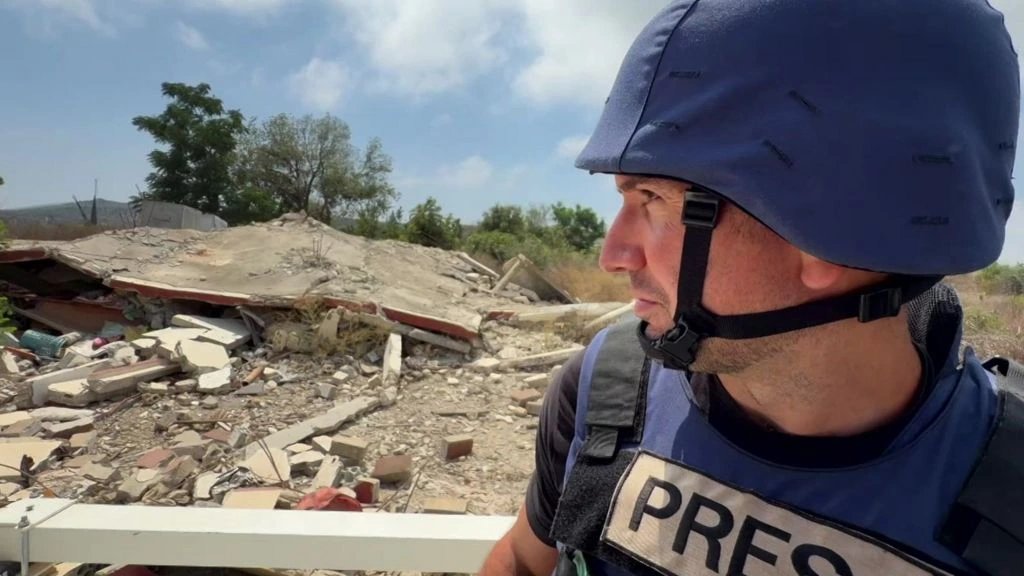
Near Naqoura, a Lebanese military checkpoint is the last visible sign of state presence before the occupied zone begins. Around a dozen Israeli flags mark the start of occupied territory, where entry is restricted unless authorised by Israel. The BBC observed service roads built by Israel, intense movement of Israeli soldiers, and residential buildings used by them, some covered in netting against Hezbollah drones. Israeli surveillance drones were heard in the sky, and explosions in the distance were possibly from demolitions in occupied villages.
Humanitarian Mission and Civilian Impact
A Unifil convoy led by Finnish troops escorted civilians to and from Christian villages near the border. Those communities were spared from Israeli attacks during the war but are now cut off from the rest of the country due to the occupation. The BBC's presence was allowed by the Israeli military through a deconfliction mechanism with the UN. Crops lie abandoned and buildings destroyed by Israeli air strikes are in ruins along the highway near the border.
1 source
Time · lag behind first