
Genetic study of 2.5 million people links fibromyalgia to neurological origins
This digest was compiled by AI from multiple sources — links to the originals are below.
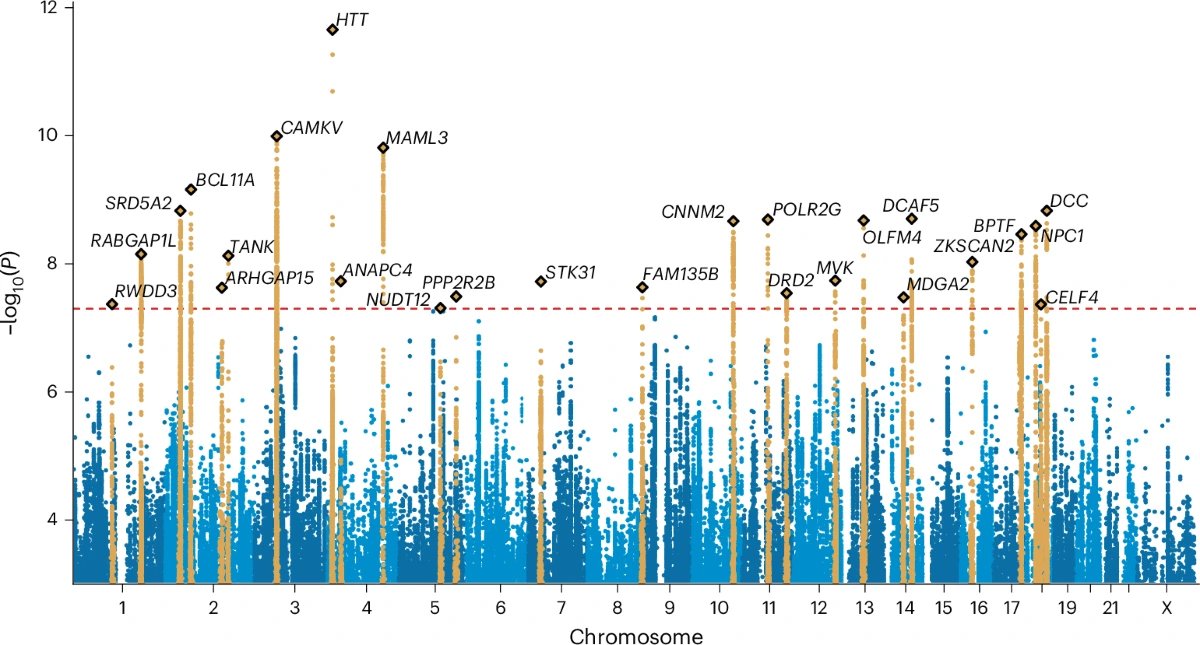
An analysis of 2.5 million people identified 26 genetic regions linked to fibromyalgia, establishing a biological basis for the condition. The study, published July 28 in Nature Medicine, found about half of those regions near genes with neural roles. The findings challenge the historical view that fibromyalgia is psychological.
Key Facts
- The study analyzed genomes of 2.5 million people, including nearly 55,000 diagnosed with fibromyalgia.
- Researchers identified 26 genomic regions that may increase fibromyalgia risk.
- About half of the identified variants are near genes involved in neural functions such as nerve cell growth and pain sensitivity.
- Fibromyalgia affects approximately 4 million adults in the United States.
- The study was published July 28 in Nature Medicine.
Genetic Findings
The team analyzed the genomes of 2.5 million people, nearly 55,000 of whom had been diagnosed with fibromyalgia. Researchers looked for genetic variants that occurred more or less often in people with the disorder than in the general population. The analysis uncovered 26 regions of the genome that might enhance people's risk. About half of the fibromyalgia-linked variants occurred near genes with neural roles, like regulating nerve cell growth and controlling pain sensitivity.
Clinical Implications
Fibromyalgia affects some 4 million adults in the United States, but the true number might be higher, according to Hanna Ollila, a genetic epidemiologist at the University of Helsinki. There are no blood tests to screen for fibromyalgia, and it can be misdiagnosed as other diseases. Some physicians still do not believe fibromyalgia is a real condition, said Gerard Limerick, a pain medicine doctor at Johns Hopkins School of Medicine. Michael Wainberg, a geneticist at the University of Toronto, said the evidence of biological origins is now 'absolutely indisputable.'
1 source
Time · lag behind first