
Tesla's camera-only Cybercab robotaxi faces Austin test
This digest was compiled by AI from multiple sources — links to the originals are below.
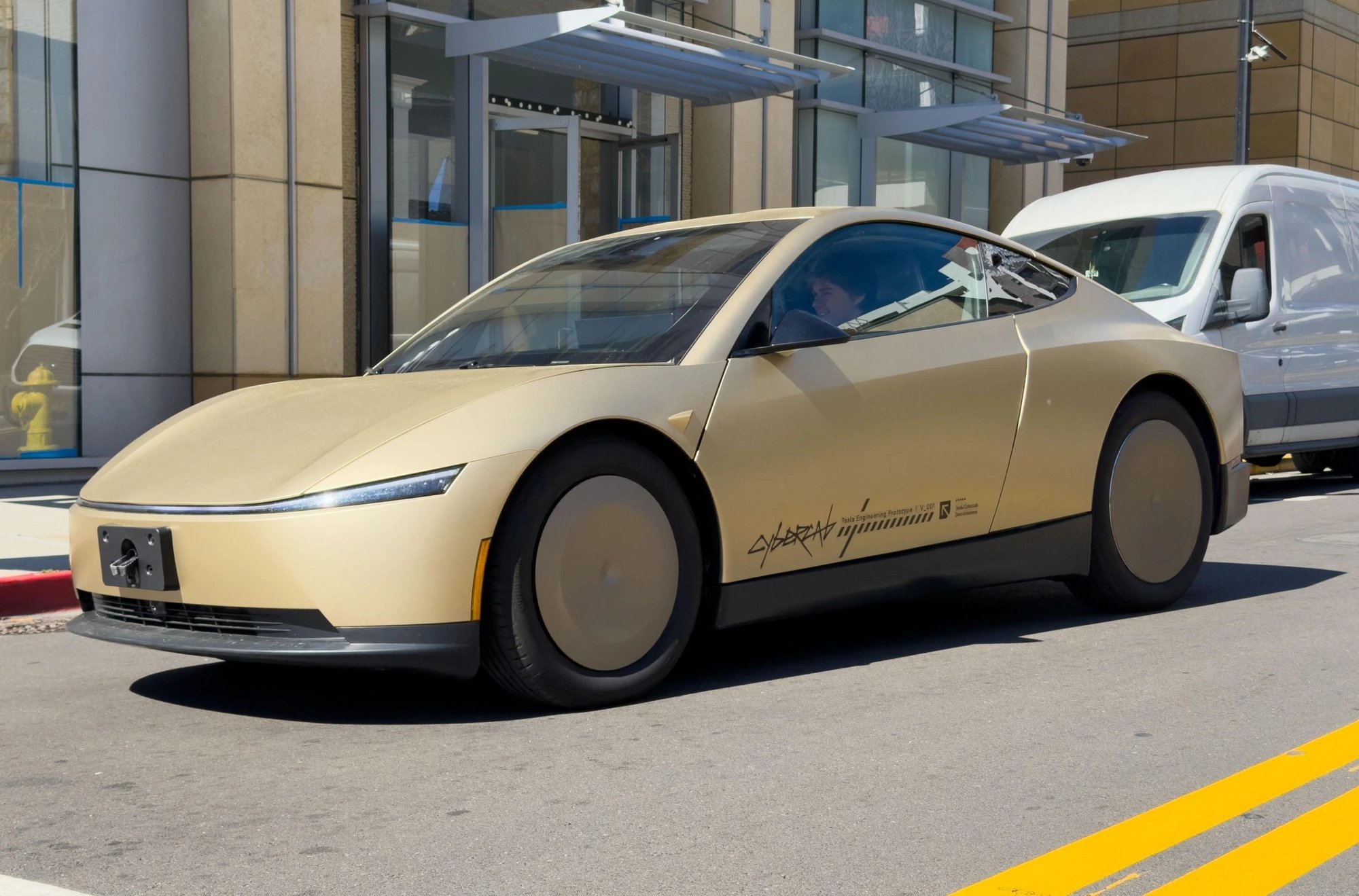
Tesla is launching its Cybercab robotaxi service in Austin, Texas, using a camera-only autonomous driving system without lidar or radar. The two-seat vehicle has no steering wheel or pedals, and will be monitored by remote operators. The launch tests Elon Musk's long-held bet that vision alone can achieve safe self-driving, as rivals rely on multiple sensors.
Key Facts
- Tesla will host an event on Thursday at its Austin, Texas headquarters to debut the Cybercab.
- Tesla added 51 Cybercabs to its fleet of vehicles registered to operate in Texas, alongside 263 Model Ys.
- The Cybercab uses a modified version of Tesla's Full Self-Driving (FSD) system, which remains a Level 2 driver assist feature requiring human supervision in consumer vehicles.
- Tesla has operated a pilot robotaxi program in Austin since last summer and expanded to other cities in Texas and Florida, with permits to launch in Arizona and Nevada.
- Elon Musk called lidar 'a fool's errand' at Tesla's Autonomy Day in 2019, arguing that anyone relying on lidar is 'doomed.'
The Cybercab Launch
Tesla is set to host an event on Thursday at its Austin, Texas headquarters to debut the Cybercab. The company first rolled out a prototype Cybercab at a flashy event on the Warner Bros. lot in 2024. This week's unveiling will likely mark the vehicle's official introduction to Tesla's small ride-hail service. Tesla has operated a pilot program in Austin since last summer, and has since expanded to a handful of other cities in Texas and Florida, with permits to launch in Arizona and Nevada. Before the event, Tesla added 51 Cybercabs to its fleet of vehicles registered to operate in Texas, alongside 263 Model Ys.
Camera-Only Approach
The Cybercab uses a modified version of Tesla's Full Self-Driving (FSD) system. For Tesla's millions of vehicle owners, FSD remains a Level 2 driver assist feature that requires human supervision. In the Cybercab, FSD will be monitored by remote operators who theoretically can step in if there's a problem. Tesla once relied on radar in addition to cameras, but Musk removed the sensor in 2022 despite engineers' attempts to persuade him to keep it. At Tesla's Autonomy Day in 2019, Musk called lidar 'a fool's errand' and said 'anyone relying on lidar is doomed.'
Safety and Responsibility
FSD and Autopilot have been linked to dozens of fatalities and thousands of crashes. Using only cameras and an AI-powered neural net, the Cybercab must navigate a complex, unpredictable environment. Without conventional controls, there will be no human fallback in case the autonomous system fails. After years of blaming crashes on drivers, Tesla will now bear full legal responsibility if something goes awry.
2 sources
Time · lag behind first