
Iranian diaspora split over US-Israel war on Iran
This digest was compiled by AI from multiple sources — links to the originals are below.
Six months into the US-Israel war on Iran, the Iranian diaspora remains divided between supporters of the strikes and opponents who see the conflict as a setback for pro-democracy Iranians. Peyvand Khorsandi, a UK-based Iranian whose father survived an alleged Iranian assassination attempt, opposes the war and rejects Reza Pahlavi's politics. The war has killed thousands of civilians, mostly in Iran and Lebanon, and upended the global economy.
Key Facts
- The US-Israel war on Iran began on February 28 with joint strikes and has lasted six months.
- At least 170 people were killed in the bombing of a girls' elementary school in Minab, southern Iran, most of them children.
- Peyvand Khorsandi's father, Hadi, was the target of a failed assassination attempt allegedly orchestrated by the Iranian government in 1984.
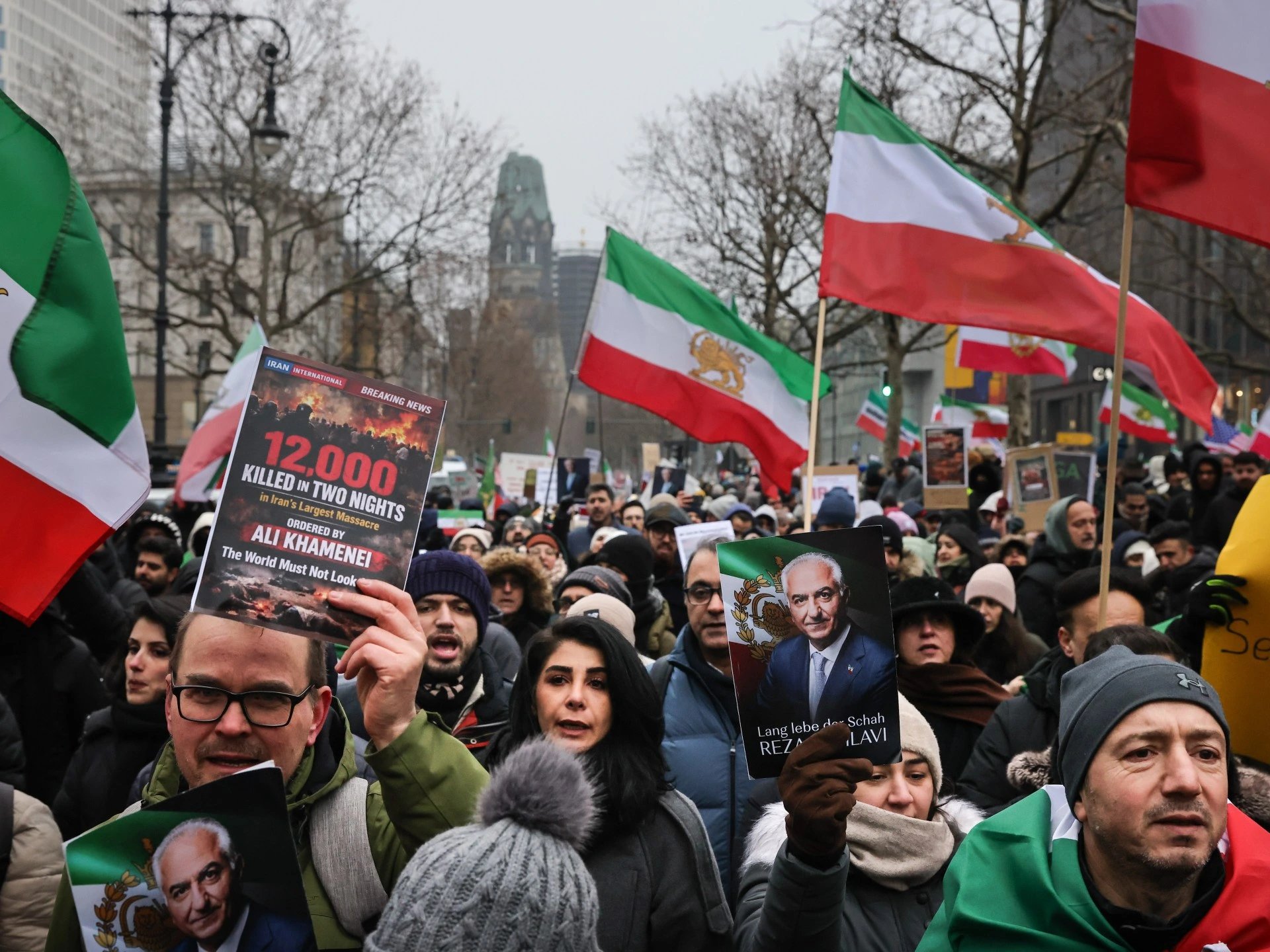
- Supporters of the strikes have mostly rallied around Reza Pahlavi, son of Iran's deposed shah.
Diaspora Divisions
Peyvand Khorsandi left Iran for the United Kingdom in 1976 at age four, three years before the Islamic revolution. His father, Hadi Khorsandi, a well-known Iranian satirist and poet, was the target of a failed assassination attempt allegedly orchestrated by the Iranian government in 1984. The attack was foiled by London's Metropolitan Police following a tip-off from a senior Iranian official who soon went into self-imposed exile. Despite that history, Khorsandi opposes the US-Israel war on Iran and says it has granted the government a new lease of life while delivering a serious setback to pro-democracy Iranians.
War Justification
US intelligence had concluded that Tehran was not trying to weaponise its nuclear programme before the conflict was launched. US President Donald Trump and Israeli Prime Minister Benjamin Netanyahu attempted to justify the conflict at the outset on human rights grounds, suggesting they sought to help common Iranians. That argument began to unravel just a few hours into the war when an elementary school for girls in the southern city of Minab was bombed. At least 170 people were killed in Minab, most of them children.
1 source
Time · lag behind first