
Kazakhstan's New Political Order: Bektenov Stays Premier, Karin Rises
This digest was compiled by AI from multiple sources — links to the originals are below.
Kazakhstan's new political structure took shape after the July 1 constitution and August 23 Kurultai election. Olzhas Bektenov was reappointed prime minister, Yerlan Karin became vice president with 141 of 145 votes, and Aibek Dadabay was elected speaker. The appointments consolidate the post-reform leadership.
Key Facts
- Olzhas Bektenov, 45, was reappointed prime minister of Kazakhstan after the constitutional reform and the first election to the unicameral Kurultai.
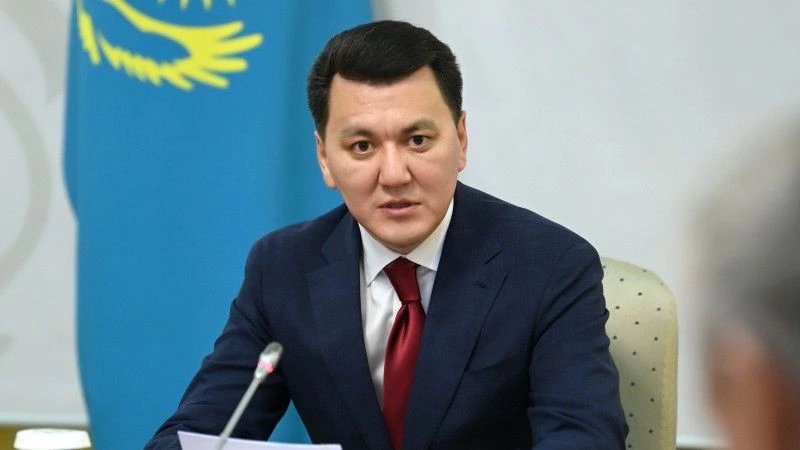
- Yerlan Karin, previously first deputy head of the presidential administration, was appointed vice president with 141 votes out of 145.
- Aibek Dadabay, chairman of the majority party Adilet, was elected speaker of the Kurultai.
- The new constitution came into force on July 1, and the Kurultai election was held on August 23, replacing the Mazhilis and Senate.
Leadership Appointments
Olzhas Bektenov was reappointed prime minister in coordination with parliamentary faction leaders. Yerlan Karin, formerly first deputy head of the presidential administration, was appointed vice president with 141 votes out of 145. Aibek Dadabay, chairman of the majority party Adilet, was elected speaker of the Kurultai. President Kassym-Jomart Tokayev described Bektenov as a statesman, competent specialist, and true professional with high responsibility.
Bektenov's Career Path
Bektenov, 45, was born in Almaty to a military family but chose law over military service. He graduated with honors from the Kazakh State Law Academy, now the M.S. Narikbayev Kazakh Humanitarian Law University. He worked in the Almaty justice department for about three years, then in the legal department of the prime minister's office and the administration of first president Nursultan Nazarbayev. He served in the Ministry of Justice from 2009 to 2012 and headed the Anti-Corruption Agency from 2022 to 2023. He first became prime minister on February 6, 2024, nominated by the ruling Amanat party, which later merged into Adilet.
Expert Assessment
Political analyst Amirzhan Kosanov told DW that Bektenov's reappointment was predictable because the president had set the economic policy vectors and Bektenov was their executor. Kosanov added that the bench of economic candidates was too short, with no new significant ideas or their carriers.
1 source
Time · lag behind first