
Taiwan Navy launches $1.14 billion V-BAT drone program for 280 UAVs through 2029
This digest was compiled by AI from multiple sources — links to the originals are below.
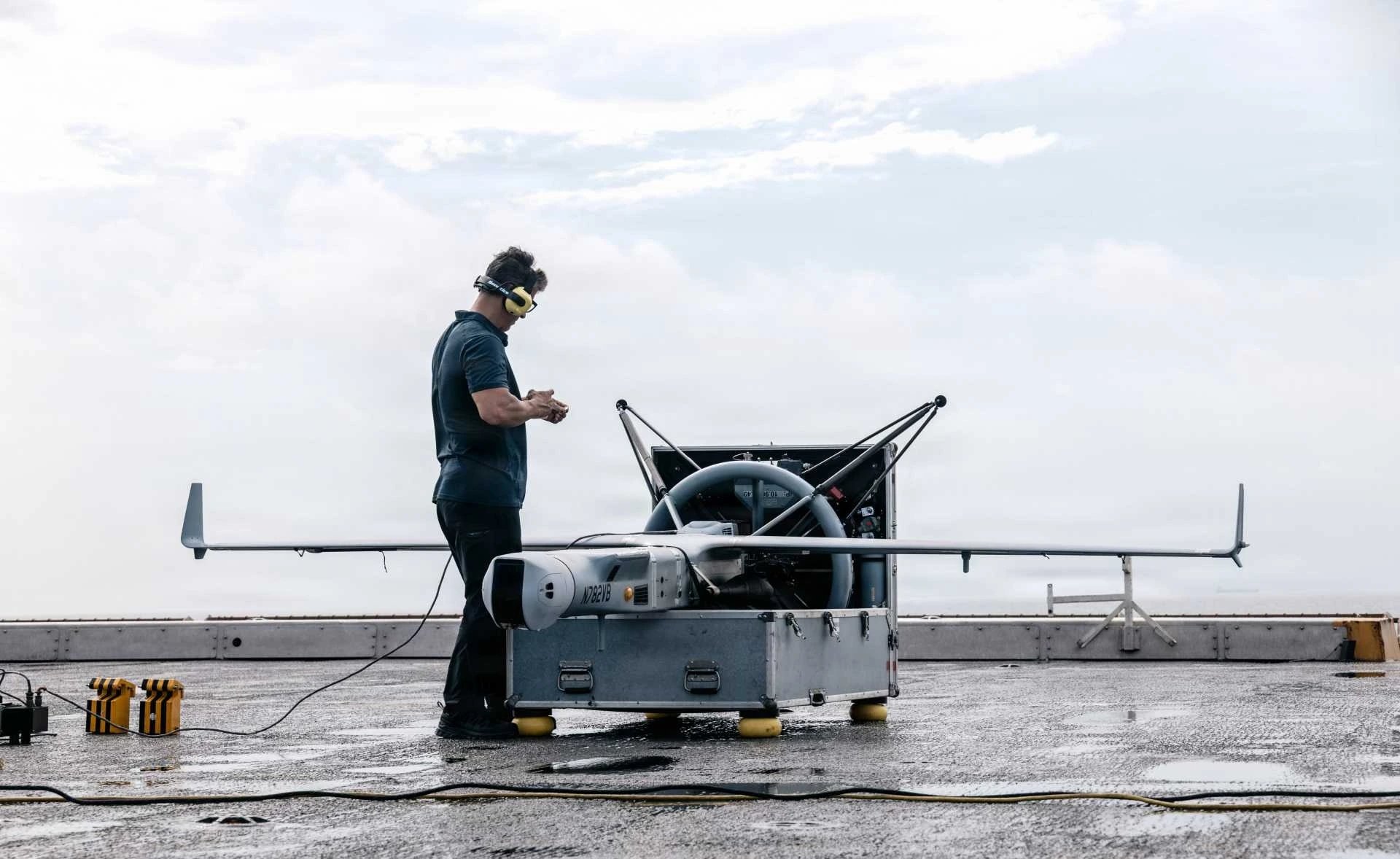
Taiwan's Navy has initiated a NT$36.00658 billion ($1.1356 billion) program to acquire 280 Shield AI V-BAT drones from 2026 through 2029. The order includes 140 control systems and 82 transport vehicles, enabling distributed reconnaissance and targeting for surface warfare groups and littoral combat units. The purchase exceeds Shield AI's cumulative worldwide deliveries of roughly 250 V-BATs by late 2024.
Key Facts
- The Taiwanese Navy's procurement program is valued at NT$36.00658 billion ($1.1356 billion) and covers 2026 through 2029.
- Taiwan plans to acquire 280 Shield AI V-BAT drones, 140 control systems, and 82 transport vehicles.
- Delivery schedule: 40 drones in 2026, 110 in 2027, 64 in 2028, and 66 in 2029.
- The V-BAT Block 5.3 weighs 75 kg, carries an 18.1 kg payload, and has over 12 hours of endurance.
- Taiwan also allocated NT$16.78 billion for 32 domestic NCSIST Albatross II UAVs.
Procurement Details
The Taiwanese Navy initiated the NT$36.00658 billion ($1.1356 billion) program to acquire 280 U.S.-made Shield AI V-BAT vertical-takeoff-and-landing drones. The order includes 140 control systems and 82 transport vehicles, yielding a ratio of two aircraft per control system and 3.4 aircraft per vehicle. Deliveries are phased: 40 drones in 2026, 110 in 2027, 64 in 2028, and 66 in 2029. By December 2027, 150 aircraft, or 53.6% of the total, are scheduled to have been received.
Operational Deployment
The Taiwanese Navy intends to assign V-BAT drones to surface warfare groups and littoral combat forces. The drones provide runway-independent reconnaissance and targeting capabilities, reducing reliance on shore-based radar and manned aviation. The distributed ratio of two aircraft per control system enables mobile deployment in contested maritime electronic warfare environments. The V-BAT Block 5.3 features a heavy-fuel engine, 18.1 kg payload capacity, over 12 hours endurance, and GNSS-denied navigation via Hivemind autonomy.
Scale and Context
Taiwan's planned 280-drone purchase exceeds the roughly 250 V-BATs Shield AI had delivered cumulatively to all customers worldwide by late 2024. The order is larger than the manufacturer's previous annual delivery rate. Taiwan's defense budget also allocates NT$16.78 billion for 32 domestic NCSIST Albatross II UAVs.
1 source
Time · lag behind first