
EU foreign ministers weigh Ukraine financing, sanctions at Ireland meeting
This digest was compiled by AI from multiple sources — links to the originals are below.
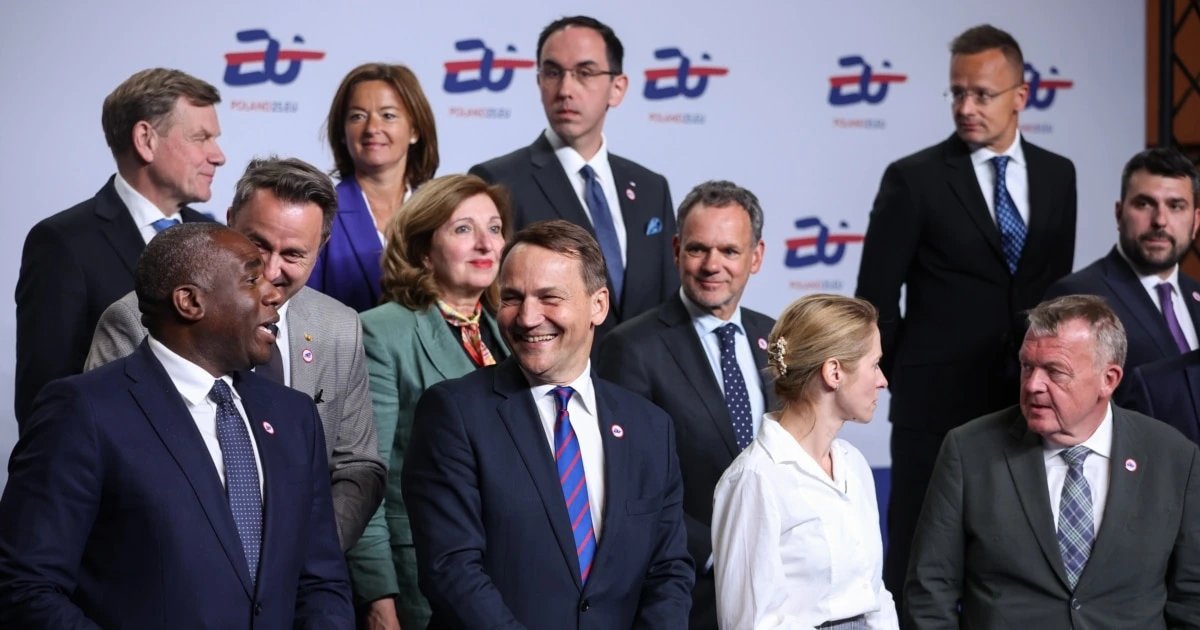
EU foreign ministers gather in Ireland on September 1-2 for an informal council to set strategy on Ukraine financing, sanctions, and allied support. The meeting will focus on monthly sanctions updates and pressing non-EU partners to increase aid for Kyiv. No formal decisions are expected at the Gymnich-format talks.
Key Facts
- The EU foreign ministers' informal Gymnich meeting takes place in Ireland on September 1-2.
- The EU plans to shift to rolling monthly updates of asset freezes and visa bans, with over 3,000 names currently listed and up to 1,600 more proposed for October.
- Foreign ministers from Canada, Iceland, Switzerland, Norway, and the United Kingdom are attending the meeting.
- EU diplomats believe Japan, South Korea, and possibly Saudi Arabia could provide air defense interceptors for Ukraine.
Sanctions Strategy Shift
The EU will concentrate on rolling monthly updates to its asset freezes and visa bans blacklists after difficulties with the 21st sanctions package in July. The current list contains over 3,000 names, and the European External Action Service is sending proposals for up to 1,600 additional listings in October. Most new listings are expected to be agreed quickly as they target officials and businesspeople in the defense sectors of Russia and Moscow-allied countries.
Allied Support for Ukraine
The EU will press non-EU foreign ministers from Canada, Iceland, Switzerland, Norway, and the United Kingdom to step up funding for Ukraine and improve Ukrainian air defense. EU diplomats speaking anonymously believe Japan, South Korea, and possibly Saudi Arabia could provide interceptors quickly for Kyiv. The EU also hopes its closest allies can help ahead of the UN General Assembly regarding the situation in the Black Sea.
1 source
Time · lag behind first