Kazakhstan's schools must teach AI literacy, critical thinking, and financial skills for global competition
This digest was compiled by AI from multiple sources — links to the originals are below.
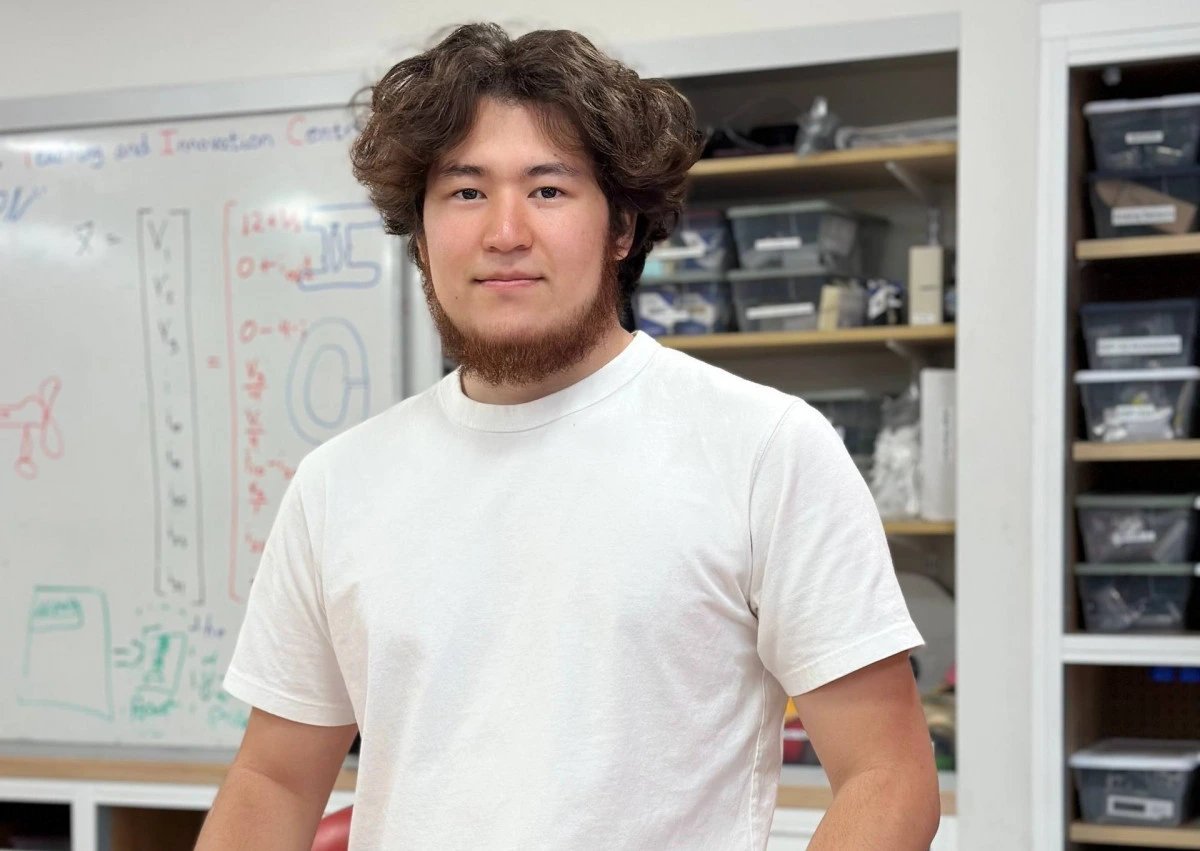
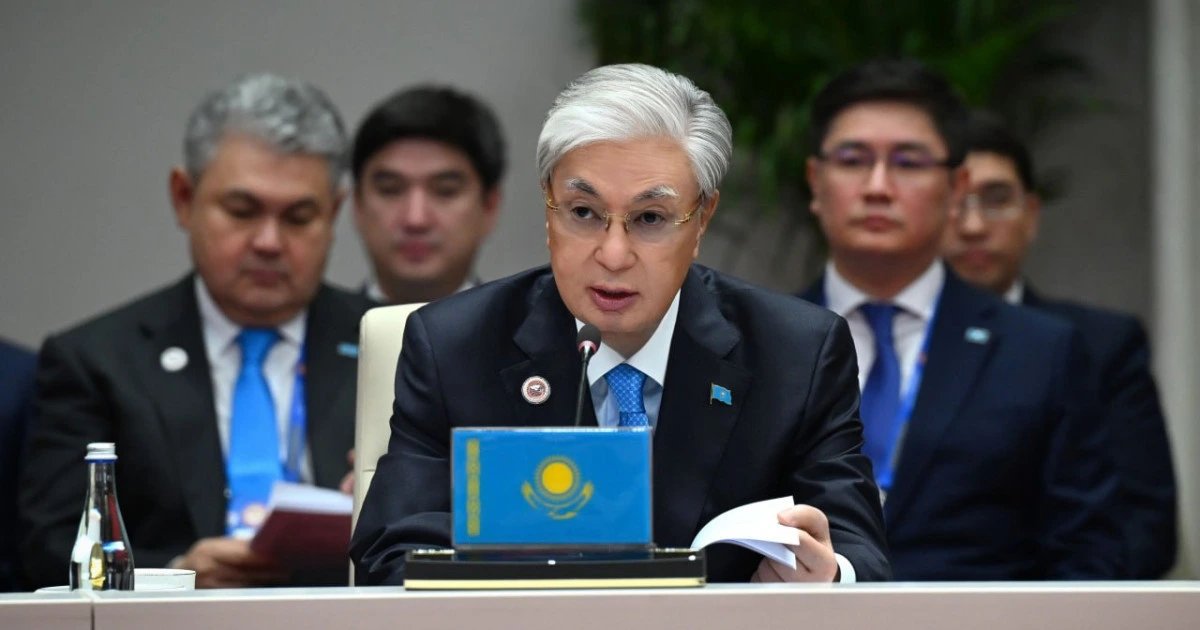
President Kassym-Jomart Tokayev told an August teachers' conference in Astana that only educated, intellectual nations can lead in global competition. He called for today's youth to be patriotic, knowledgeable, and hardworking. The article examines what skills modern students need, including digital literacy, artificial intelligence, foreign languages, financial literacy, career guidance, and critical thinking.
Key Facts
- President Kassym-Jomart Tokayev told the August teachers' conference in Astana that only educated, intellectual nations can lead in global competition.
- Master teacher Meiramgul Nusupbek says students now find answers on the internet, video lessons, social media, and AI tools within seconds, making 40-45 minute teacher lectures difficult for many.
- Nusupbek argues that modern students lack deep reading skills, often struggling to identify subtext, author's position, cause-effect relationships, and the difference between evidence and opinion.
- The article identifies digital literacy, artificial intelligence, foreign languages, financial literacy, career guidance, and critical thinking as key skills for today's students.
Changing Learning Environment
Meiramgul Nusupbek, holder of the Y. Altynsarin badge and master teacher, says students' attitude to knowledge, information perception, thinking style, expected teacher help, and the educational environment itself are changing. Previously, students obtained necessary information mainly from teachers, textbooks, or libraries; now they can find answers to any question on the internet, video lessons, social media, or AI tools within seconds. As a result, listening to a teacher for 40-45 minutes and writing down ready-made information has become difficult for many students. Nusupbek says this does not mean students' abilities are lower; rather, a gap has emerged between the teaching format and the students' information-receiving environment.
Teacher's New Role
Nusupbek argues that the modern teacher must be not just a knowledge provider but an explainer of the meaning of knowledge. For example, before making students memorize a mathematical formula, teachers should show its real-life application; when teaching a literary work, they should connect it to contemporary human problems to increase students' internal interest. She believes it is wrong to say one-sidedly that modern children lack knowledge; instead, some traditional skills and values are weakening. Students quickly scan texts, find key words, and seek short answers, but sometimes struggle to determine the subtext, the author's position, cause-effect relationships, and the difference between evidence and opinion.
Skills for Modern Students
Nusupbek says evaluating modern students as 'worse than previous students' or 'less disciplined' is an oversimplification; today's students have changed, so teaching methods must change too. Today's children are saturated with information, quickly master technology, have good visual perception, and strive to express their own opinions. At the same time, they need systematic formation of deep reading, critical thinking, long-term concentration, self-directed learning, responsibility, communication culture, and the ability to apply knowledge to real-life situations. The article concludes that reading literacy is especially important in modern schools because students often struggle to analyze texts deeply despite abundant information.
3 sources
Kazakhstan's schools must teach AI literacy, critical thinking, and financial skills for global competition