Iran's Leverage at Hormuz and China Oil Ties Shape Next Phase of War
This digest was compiled by AI from multiple sources — links to the originals are below.
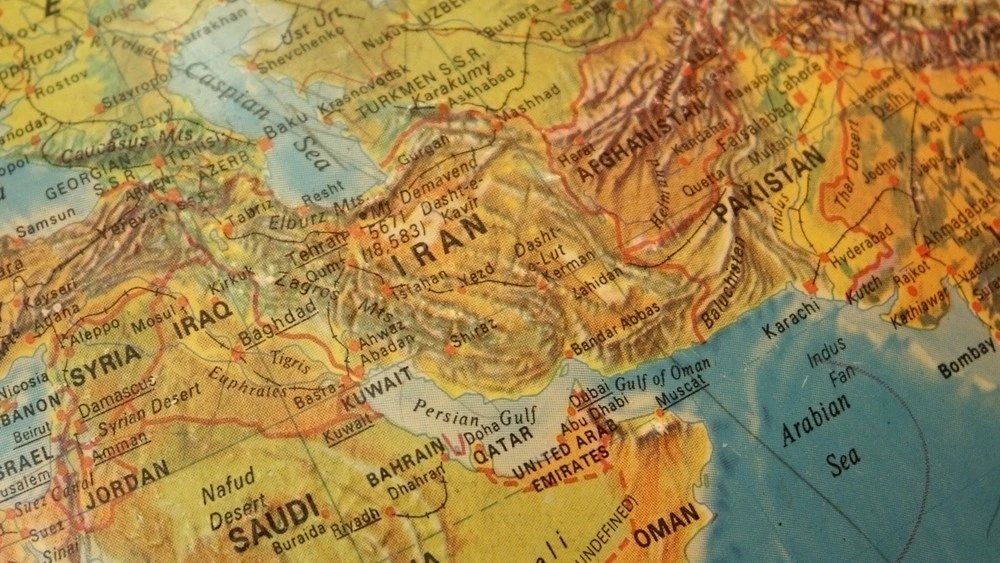
Six months into the US-Israeli air campaign against Iran, Tehran retains leverage over the Strait of Hormuz and a critical oil relationship with China. Washington has shifted to an economic onslaught, with Treasury Secretary Scott Bessent pressing G20 finance ministers in Asheville on August 31-September 1. Experts see the next phase hinging on Iran's economic endurance, the prospects for diplomacy, and whether Beijing helps Tehran rebuild.
Key Facts
- About 80 percent of Iran's exported oil goes to China, while Iranian oil accounts for only 12-13 percent of China's crude imports.
- Treasury Secretary Scott Bessent announced an 'economic onslaught' of measures against Iran on August 24 and will press G20 finance ministers in Asheville, North Carolina, on August 31-September 1.
- Iranian oil sales in yuan and payment through systems outside the US dollar network can strengthen alternative financial infrastructure, according to Elaine Dezenski of the Foundation for Defense of Democracies.
- Retired Vice Admiral Robert Harward, former deputy commander of US Central Command, said sustained economic pressure could eventually become an internal threat to the Iranian government.
Economic Pressure Campaign
Washington is now presenting the conflict as an economic war, with Treasury Secretary Scott Bessent announcing what he called an 'economic onslaught' of measures to further isolate Iran on August 24. Bessent will press G20 finance ministers on this during meetings in Asheville, North Carolina, on August 31-September 1. Retired Vice Admiral Robert Harward, a former deputy commander of US Central Command, said the pressure could become an internal threat if Tehran eventually struggles to pay the Islamic Revolutionary Guards Corps, Basij militia, and other state institutions, or if ordinary Iranians face shortages of fuel and other essentials. Harward added that winter conditions could make the pressure particularly consequential.
China's Role and Dollar Erosion
Elaine Dezenski, head of the Center on Economic and Financial Power at the Foundation for Defense of Democracies, said China's economic relationship with Iran is significant but not an alliance in the traditional sense. About 80 percent of Iran's exported oil goes to China, she said, but Iranian oil accounts for only about 12 to 13 percent of China's crude imports. If China were to cut off its purchases of Iranian oil, that would have a huge effect, Dezenski said, but so far Beijing has pushed back on US pressure over its trading relationship with Tehran. Iranian oil sales in yuan and payment through systems outside the US dollar network can strengthen alternative financial infrastructure, and Dezenski said the way Iran engages in these transactions and China supports them is an attempt to erode the US dollar's role in the global energy market.
Diplomacy Prospects
While further military action has not been ruled out, officials have suggested it may have reached the limits of its effectiveness, meaning there is not much else to target. Experts interviewed by RFE/RL from across Washington's policy spectrum see the next phase being shaped by four questions: how long Iran can withstand economic pressure, can diplomacy turn military gains into a durable settlement, what happens to Hormuz, and whether Russia and China help Tehran rebuild.
1 source
Iran's Leverage at Hormuz and China Oil Ties Shape Next Phase of War