
US interest expense hits record 18.5% of federal revenue
This digest was compiled by AI from multiple sources — links to the originals are below.
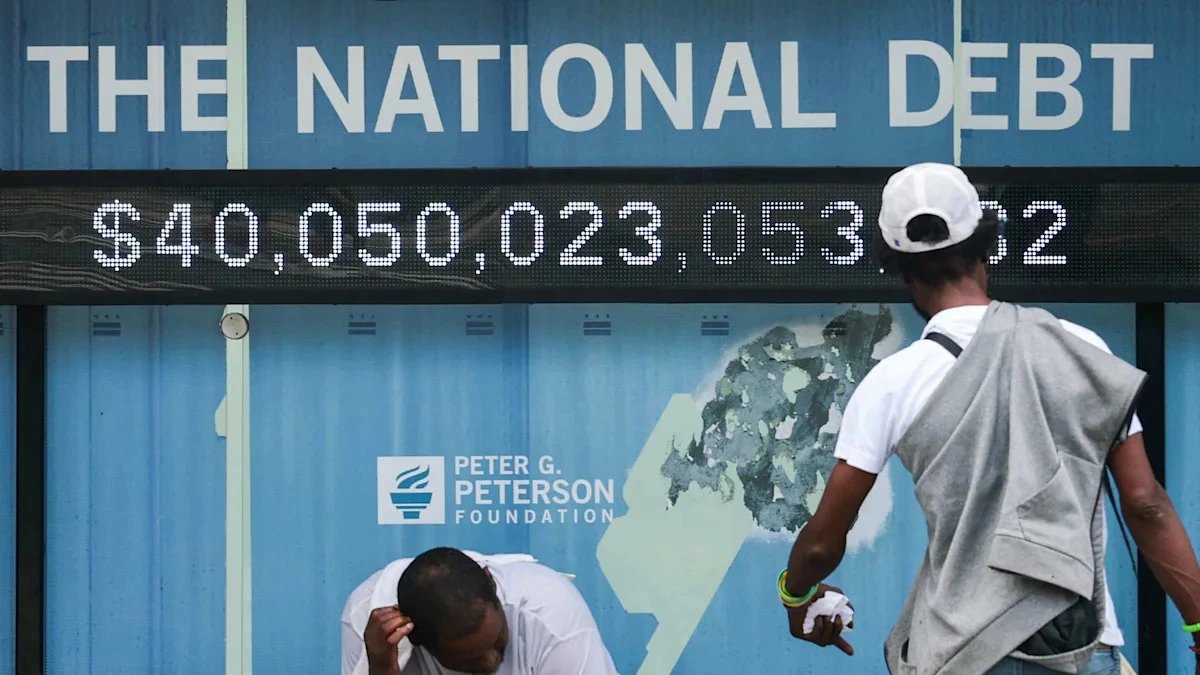
US annual interest expense reached a record 18.5% of federal government revenue, surpassing the previous high of 18.4% set in 1991. The interest bill now stands at $1.25 trillion, more than four times the 1991 level. The surge reflects rising Treasury yields and a $40 trillion national debt.
Key Facts
- US annual interest expense is a record $1.25 trillion, more than four times the 1991 level.
- The interest-to-revenue ratio of 18.5% exceeds the previous record of 18.4% set in 1991.
- The ratio has more than quadrupled over the past four years.
- The US national debt is approximately $40 trillion.
- The weighted-average borrowing rate is near 3.5%, below the 7% threshold where debt-sustainability models suggest real stress would begin.
Record Debt Burden
US annual interest expense reached a record 18.5% of federal government revenue, according to analysis from bond investment firm Doubleline. The previous record was 18.4%, set in 1991. The interest bill now stands at $1.25 trillion, more than four times the 1991 level. The percentage has more than quadrupled over the past four years. Nearly one out of every five dollars collected by the government now goes toward servicing existing national debt.
Fiscal Consequences
As debt service costs surpass major federal programs, mandatory spending risks crowding out discretionary spending. The government must issue additional debt simply to cover its interest costs, creating a negative feedback loop. The structural burden reduces the federal government's flexibility to deploy fiscal stimulus during future recessions. Money spent on interest could otherwise fund defense, infrastructure, or social safety nets such as Social Security.
Market Context
Rising interest rates on 10-year and 30-year Treasurys are contributing to the higher interest expense. Since 1970, nominal GDP has expanded by an average of $470 billion per year, while federal debt has climbed about $760 billion annually over the same period, according to Fed Watch Advisors founder Ben Emons. The US is currently borrowing at a weighted-average rate near 3.5%, well below the 7% threshold where debt-sustainability models suggest real stress would begin. The $40 trillion moment may still feel manageable for markets, Emons added.
1 source
Time · lag behind first