
Nepal flood disaster exposes gaps in Himalayan early-warning systems
This digest was compiled by AI from multiple sources — links to the originals are below.
Five days after flash floods struck Nepal's Rasuwa and Nuwakot regions, more than 4,700 people remain missing and local authorities are overwhelmed by recovered bodies. A massive ice-and-rock collapse in the high Himalayas triggered a cascading flood in the Lhende Khola, sending water, rock and sediment into the Bhote Koshi-Trishuli river system. A lake has formed near the Nepal-Tibet border and may cause a second flood, even as the country lacks funded early-warning systems for glacial hazards.
Key Facts
- More than 4,700 people are missing five days after the flood struck Rasuwa and Nuwakot regions.
- A massive ice-and-rock collapse in the high Himalayas triggered a cascading event in the Lhende Khola, sending a sudden surge of water, rock and sediment into the Bhote Koshi-Trishuli river system.
- A lake has formed near the Nepal-Tibet border and may yet cause a second flood.
- Preliminary scientific evidence indicates the initial collapse could not realistically have been prevented by Nepal.
The Disaster
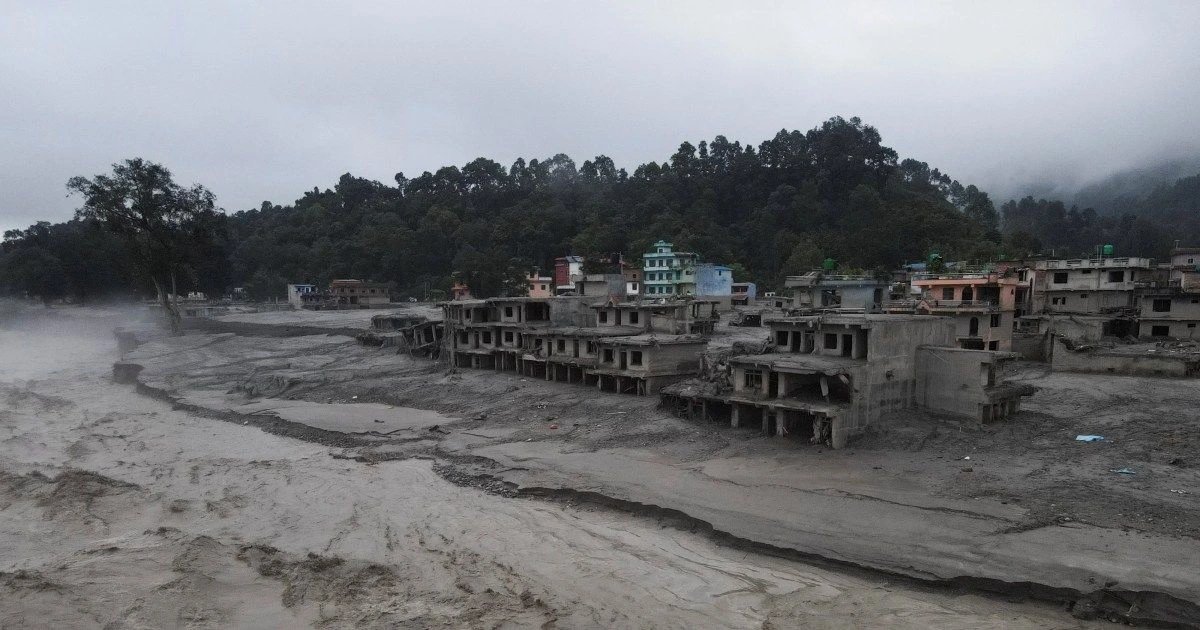
Five days after the flood struck the Rasuwa and Nuwakot regions of Nepal, the number of missing people is growing. The whereabouts of more than 4,700 people are unknown, while local authorities are struggling to cope with the shocking number of recovered bodies. A massive ice-and-rock collapse in the high Himalayas triggered a cascading event in the Lhende Khola, sending a sudden surge of water, rock and sediment into the Bhote Koshi-Trishuli river system. As a result of this movement, a lake has formed near the Nepal-Tibet border and may yet cause a second flood.
Gaps in Preparedness
While Nepal could not realistically have prevented the initial collapse, the scale of the disaster highlights glaring gaps in disaster risk reduction and preparedness under a changed climate reality. The country urgently needs real, funded investment in early-warning systems for glacial and flood hazards in high-risk mountain corridors. Authorities must urgently map and monitor unstable glaciers, landslide-dammed lakes and river corridors, while restoring damaged sensors and establishing 24/7 real-time communication among mountain monitoring stations and downstream communities. Clear evacuation triggers, emergency shelters and multiple warning channels, including SMS alerts, sirens and local radio, must be activated immediately to give people enough time to move to safety as the threat of secondary flooding escalates.
Climate-Resilient Infrastructure
The warming of the Himalayan region is destabilising the cryosphere: glaciers, glacial lakes and mountain slopes. With each year of record heat that passes, the risk of exactly this kind of catastrophe rises. Beyond early warning systems, Nepal needs climate-resilient infrastructure, as well as locally led adaptation and disaster preparedness designed with and by the people who actually live with the risk. There must be meaningful investment in vulnerable communities, especially those downstream, including bridges, roads, hydropower and public facilities that can withstand floods, landslides and other cascading mountain hazards.
1 source
Time · lag behind first