
Kazakhstan launches 17 MW turbine at Tekeli energy complex in Zhetisu
This digest was compiled by AI from multiple sources — links to the originals are below.
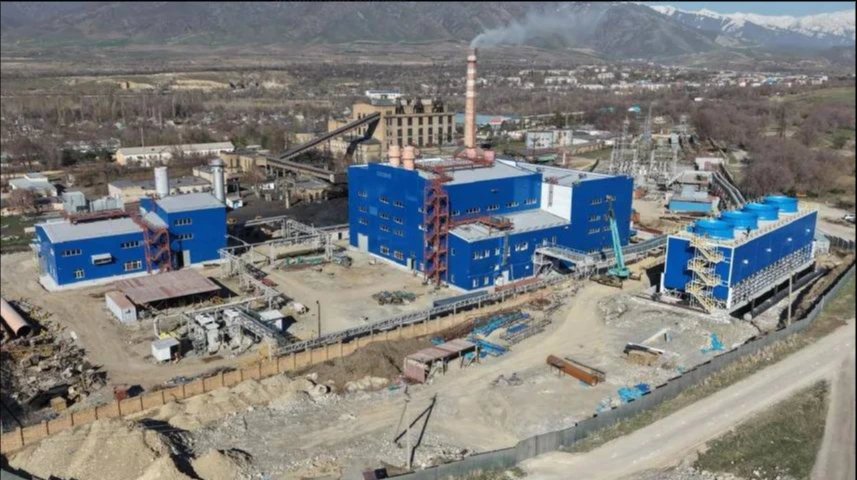
Kazakhstan has commissioned a 17 MW steam turbine and three waste-heat boilers at the Tekeli Energy Complex in the Zhetisu region. The launch brings the complex's total capacity increase to 53 MW over two years, according to the Ministry of Energy. The project is part of a national program to add 2.6 GW of generation capacity in 2026.
Key Facts
- The Tekeli Energy Complex in the Zhetisu region has increased its installed capacity by 53 MW over two years.
- The latest modernization stage added a 17 MW steam turbine with generator and three waste-heat boilers.
- In 2025, the complex commissioned three gas turbine units with a total capacity of 36 MW.
- Kazakhstan plans to commission 2.6 GW of conventional and renewable energy capacity in 2026, including 4 combined-cycle plants, 4 wind farms, and 5 solar plants.
- The Ministry of Energy expects these measures to resolve the power deficit by early 2027 and achieve a surplus by 2029.
Tekeli Modernization
The Tekeli Energy Complex in the Zhetisu region has completed a new stage of modernization, commissioning three waste-heat boilers and a steam turbine with a 17 MW generator. This follows the 2025 launch of three gas turbine units with a combined capacity of 36 MW at the same facility. The Ministry of Energy stated that the cumulative increase in installed capacity at the complex now stands at 53 MW. The ministry emphasized that modernization allows more efficient use of existing infrastructure while steadily increasing installed capacity.
National Capacity Expansion
Kazakhstan plans to commission 2.6 GW of conventional and renewable energy capacity in 2026. The project list includes four combined-cycle plants, four wind power stations, and five solar power stations. Expansion is also underway at power stations in Atyrau and Tekeli. Earlier, a 240 MW combined-cycle plant was launched in Kyzylorda. The Ministry of Energy expects these measures to resolve the power deficit by early 2027 and achieve a surplus by 2029.
4 sources
Time · lag behind first