
Traffickers target educated, English-speaking youth for scam compounds
This digest was compiled by AI from multiple sources — links to the originals are below.
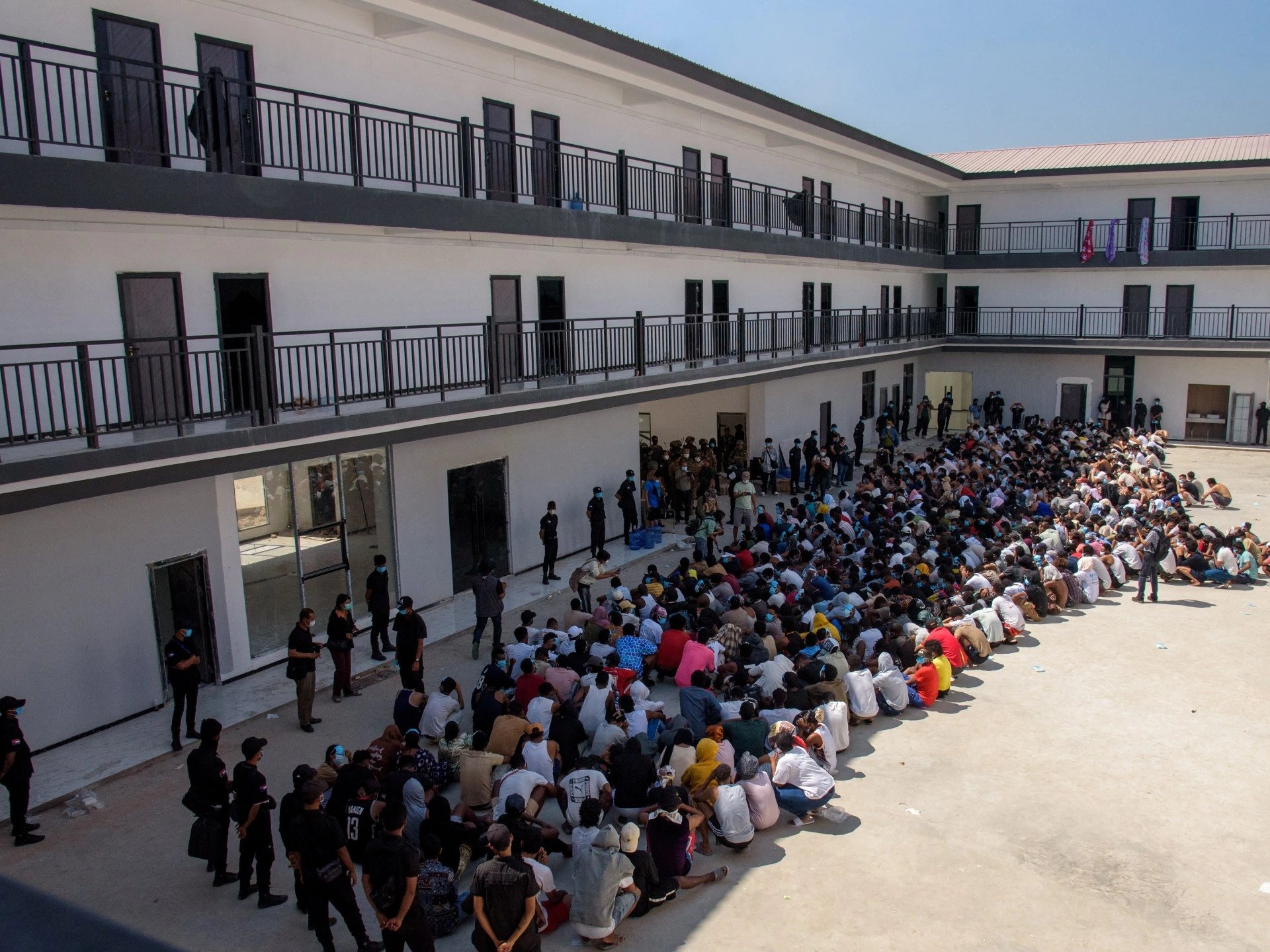
Criminal networks are luring educated, English-speaking young people with fake job offers into forced online scam operations. At least 300,000 people are estimated to have been trafficked into scam compounds across Southeast Asia. The International Organization for Migration is working with survivors in Rwanda to warn communities about the threat.
Key Facts
- At least 300,000 people are estimated to have been trafficked or coerced into scam compounds across Southeast Asia.
- People from at least 80 countries and territories have been identified among trafficking victims.
- Across the Asia Pacific, scams cost people an estimated $88bn to $114bn in 2025.
- IOM and its government partners are identifying a growing number of victims from Ethiopia, Kenya, Uganda and Tanzania.
The Trafficking Operation
Traffickers advertise jobs with good salaries, sponsored visas and included flights, targeting educated, fluent English speakers who are confident online. On arrival, victims' passports are taken and they are moved to compounds they cannot leave, where they are forced to run online scams. Those who miss their targets may be beaten, starved or placed in solitary confinement, and their families may sell land or take on debt to pay for their release.
Survivor Testimony
During a recent visit to Rwanda, the author met two survivors who had been trafficked through fraudulent job offers. The survivors were fluent in English and comfortable with technology, qualities that made them valuable to traffickers. They were given scripts and forced to impersonate women online, build romantic relationships with people in Europe and persuade them to send money. After returning home with support from the International Organization for Migration, they are now working to warn communities and other young people about the danger.
Global Reach and Response
The threat is reaching further into Africa, with IOM and government partners identifying a growing number of victims from countries like Ethiopia, Kenya, Uganda and Tanzania. During recent visits to Tanzania and Rwanda, leaders told the author of fraudulent job offers reaching young graduates and other jobseekers through social media. These networks are global by design: recruitment may happen in one country, travel through another and exploitation in a third. Government responses are often divided, with labour authorities, border officials, police and consular teams each seeing a different aspect of the crime, and traffickers exploit the gaps between them.
1 source
Time · lag behind first