
Khamenei urges Gulf rulers to confront 'real enemy' amid Hormuz standoff
This digest was compiled by AI from multiple sources — links to the originals are below.
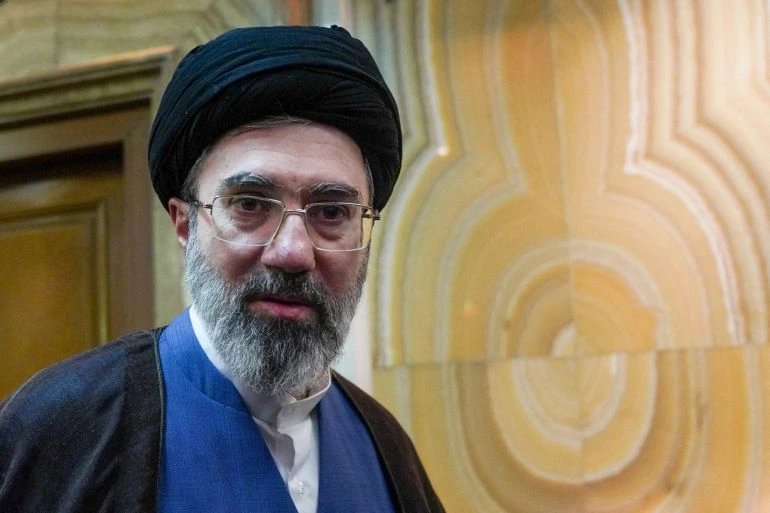
Iran's Supreme Leader Ayatollah Mojtaba Khamenei called on Gulf leaders to identify and confront their 'real enemy' in a message published Sunday. Deputy Foreign Minister Kazem Gharibabadi said Iran had reached an understanding with Oman on a temporary maritime route, but implementation depends on US commitments. The Strait of Hormuz remains restricted, with recorded transits down to seven commodity vessels on Thursday.
Key Facts
- Khamenei's message was published on Sunday to mark the birthday of the Prophet Muhammad.
- About 20 percent of global oil and LNG shipments passed through the Strait of Hormuz before the war.
- Seven commodity vessels crossed the Strait of Hormuz on Thursday, down from 17 a day earlier and below the 10-day average of 15.
- Up to 400 ships carrying about 6,000 seafarers have been unable to leave the Gulf safely since the US-Israel war on Iran began.
Khamenei's Message
Khamenei urged Gulf rulers to identify their 'real enemy' and confront it in a message published on Sunday to mark the birthday of the Prophet Muhammad. He has not appeared publicly since the US-Israeli attacks on February 28 that killed his father and predecessor, Ayatollah Ali Khamenei.
Hormuz Standoff
Deputy Foreign Minister Kazem Gharibabadi said on Saturday that Iran had reached an understanding with Oman on a temporary maritime route, but implementation depends on the US fulfilling its commitments under the memorandum of understanding signed in mid-June. Gharibabadi said the Strait of Hormuz is closed and any vessel seeking to cross would have to coordinate with Iran. Qatar's Prime Minister and Foreign Minister Sheikh Mohammed bin Abdulrahman bin Jassim Al Thani visited Tehran on Thursday for talks on de-escalation and restoring shipping through Hormuz. Recorded transits through the strait remain low, with seven commodity vessels crossing on Thursday, down from 17 a day earlier and below the 10-day average of 15, according to Reuters citing Kpler data. The International Maritime Organization said on Friday that up to 400 ships carrying about 6,000 seafarers have been unable to leave the Gulf safely since the US-Israel war on Iran began.
1 source
Time · lag behind first